Selecting the appropriate grape vine trellis system is crucial for vineyard success. Different grape varieties require specific support structures to thrive. Vine vigor, growth habits, and production goals all influence trellis selection. A well-matched grape vine trellis optimizes sun exposure, improves air circulation, and simplifies vineyard management. For wineries and agricultural operations, understanding how trellis designs align with grape variety characteristics ensures maximum return on infrastructure investment. This guide explores the relationship between trellis systems and grape varieties to help you make informed decisions for your vineyard.
Tips
Grape vine trellis systems: choosing the right design for different grape varieties
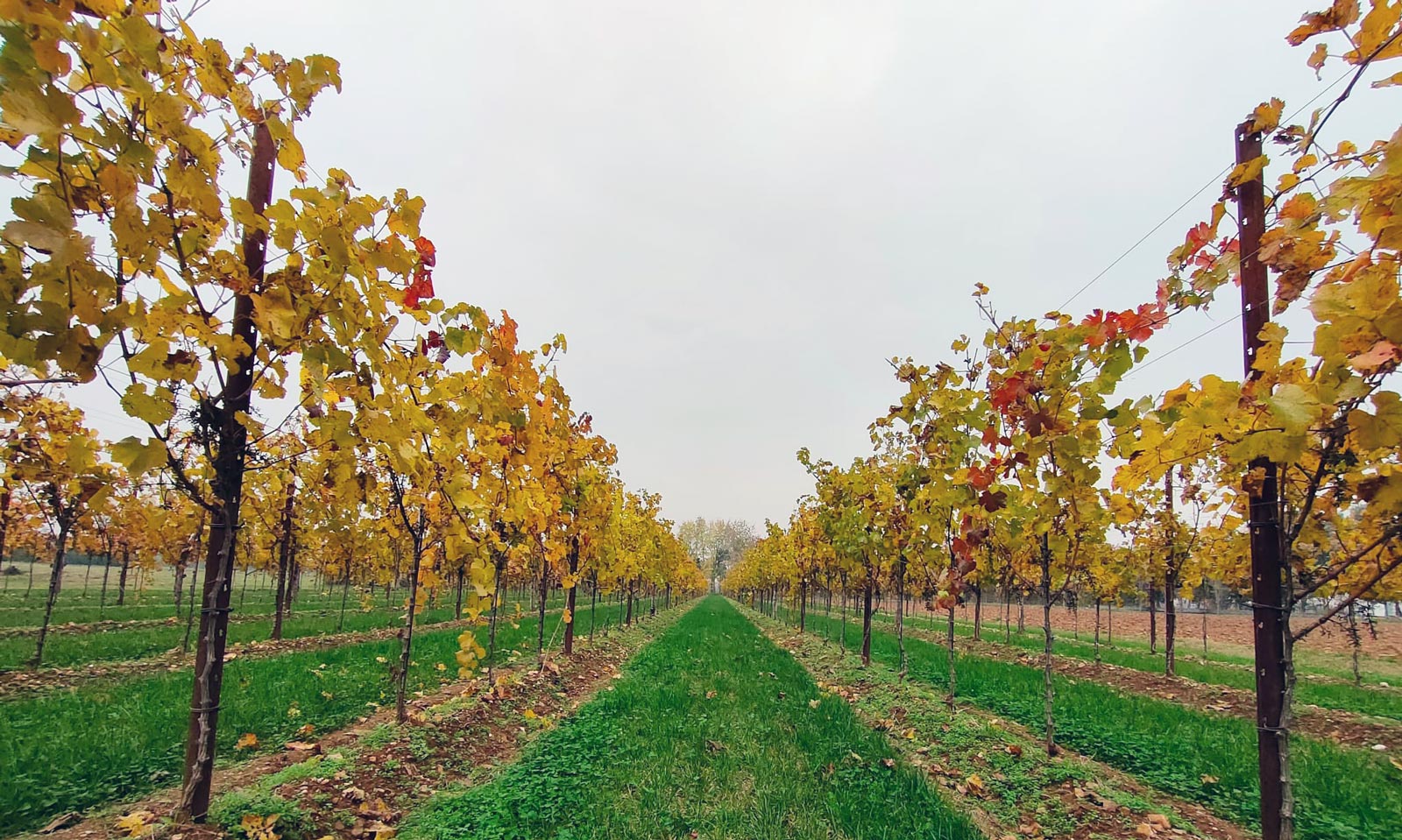
How to choose the right grape vine trellis for different grape varieties
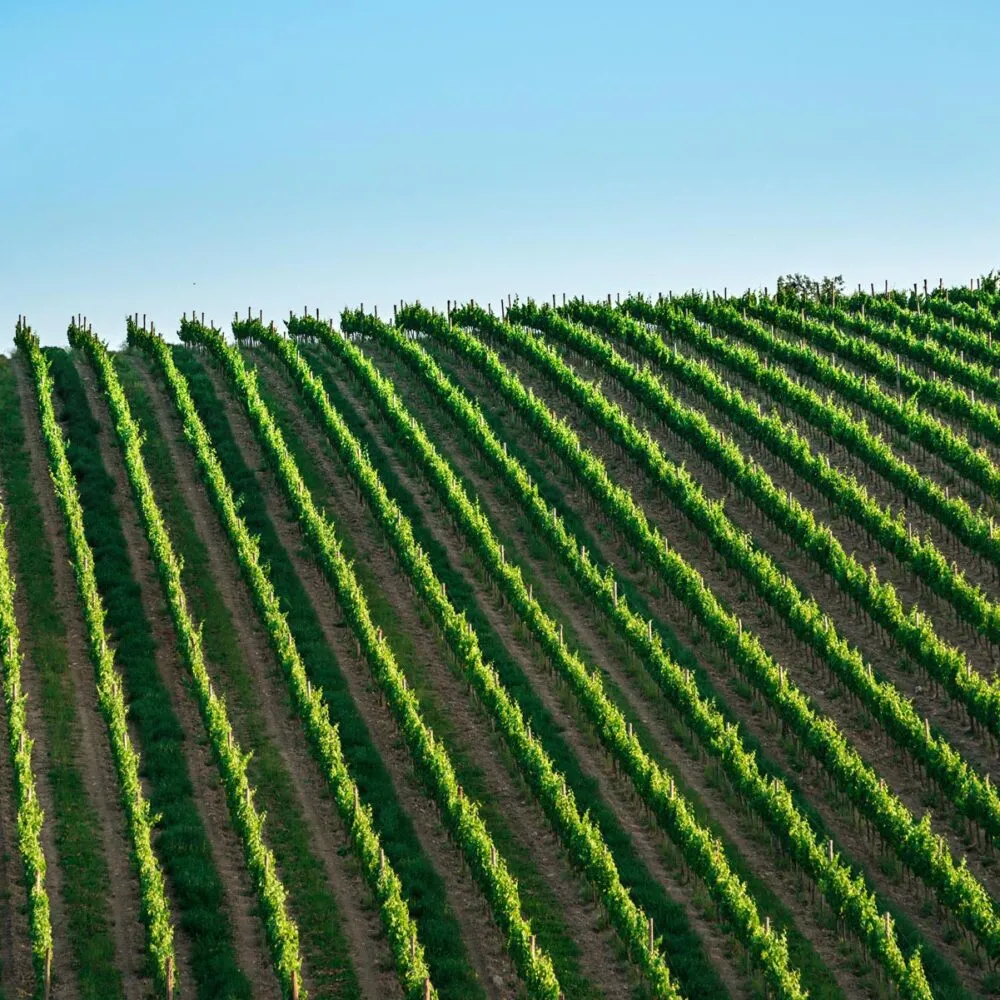
Grape variety characteristics directly determine which trellis system will deliver optimal results. Low-vigor varieties perform best with vertical shoot positioning systems like Guyot. This training method concentrates vine energy into quality fruit production. The simple structure suits premium wine grape varieties grown on hillside terrains with moderate soil fertility.
High-vigor varieties require trellis systems that manage abundant vegetative growth. The Sylvoz system excels with vigorous vines on fertile, moist soils. Its horizontal cordon and arched fruiting canes distribute growth effectively. The Casarsa system offers similar benefits for medium to high-vigor varieties requiring mechanized operations.
Climate considerations also influence grape vine trellis selection. Cool climate varieties benefit from vertical systems that maximize sun exposure on fruit zones. Warm climate grapes may require canopy systems providing natural shading. Pergola and tendone configurations protect clusters from excessive direct sunlight in hot, arid regions.
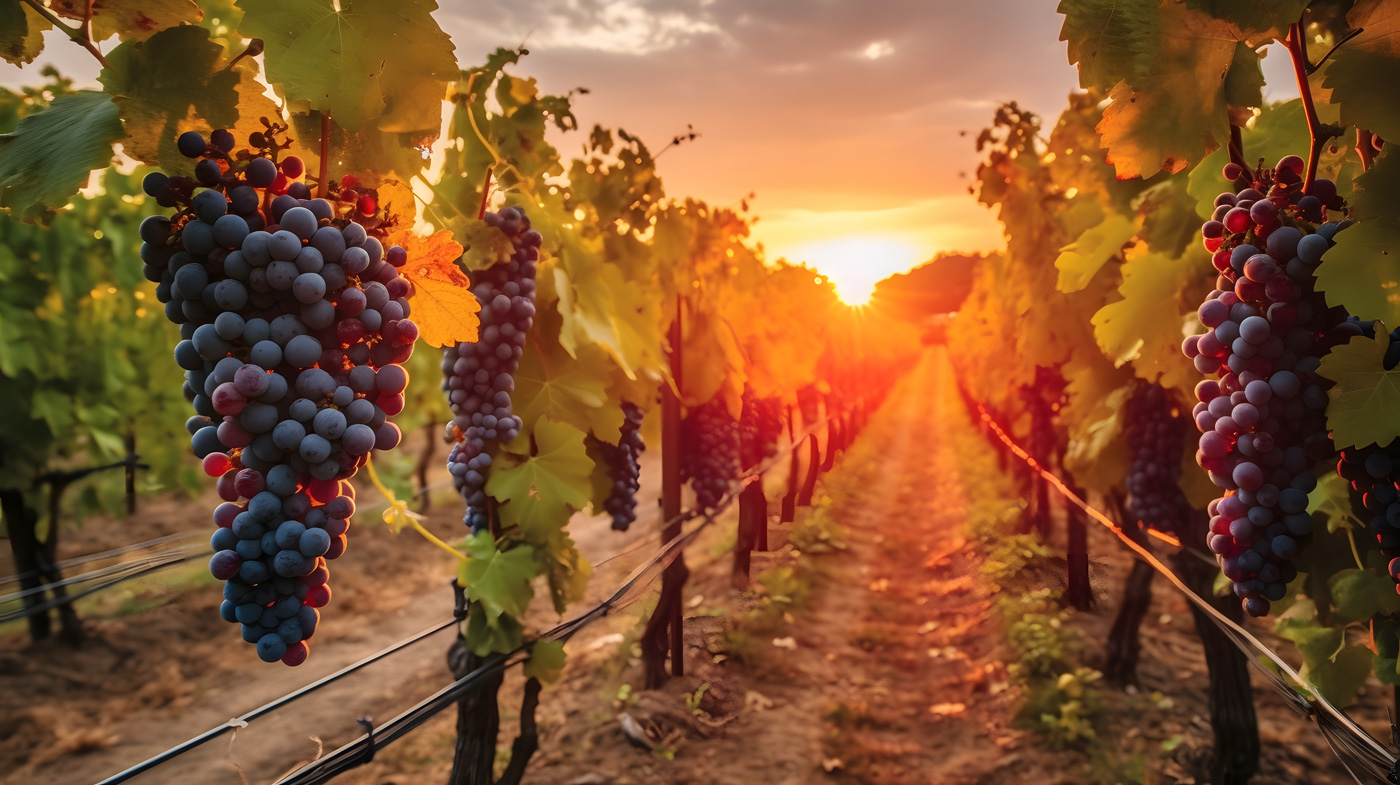
Professional vineyard trellis designs used by leading wineries
The Guyot system remains the most widely adopted grape vine trellis design in quality-focused viticulture. Over 35% of Italian winegrowers use this vertical shoot positioning method. Its popularity stems from excellent canopy aeration and uniform fruit ripening. Leading wineries choose Guyot for premium wine production where grape quality takes priority over yield volume.
Cordon-trained systems dominate vineyards prioritizing operational efficiency. Permanent horizontal arms reduce annual pruning labor significantly. This design facilitates mechanical pruning and harvesting operations. Large-scale commercial wineries favor cordon systems for their cost-effectiveness and consistent performance.
The Sylvoz system serves wineries working with vigorous varieties on fertile soils. Its characteristic high horizontal cordon with downward-arched fruiting canes manages excessive growth. Zinc-coated vineyard posts measuring 2.0 to 2.5 meters support structures with 5 to 6 wires. Professional wineries appreciate Sylvoz for balancing high yields with quality maintenance.
Double curtain systems like Geneva Double Curtain (GDC) maximize production in high-capacity vineyards. These horizontally divided canopy designs suit vigorous rootstocks and fertile sites. Leading commercial operations implement GDC where yield optimization drives business objectives.
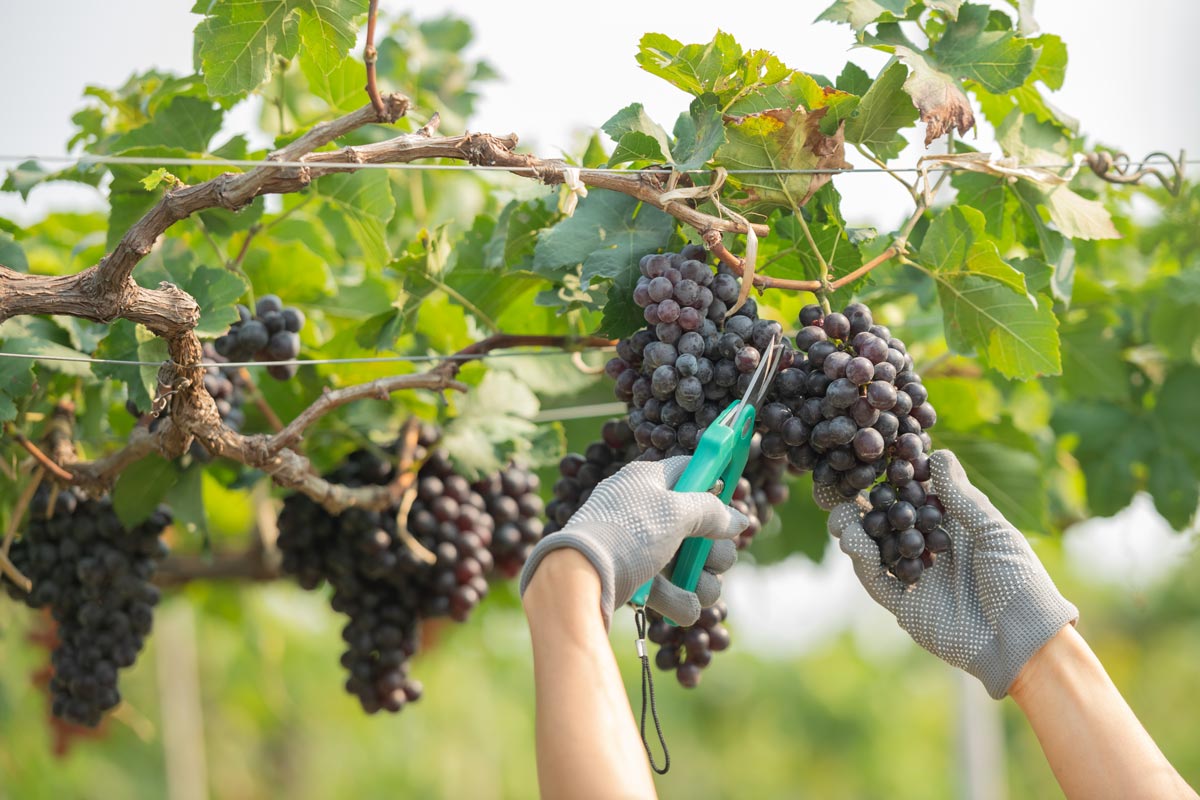
Essential components for building a professional grape vine trellis
Every successful grape vine trellis requires quality structural components matched to the chosen training system. Consider these essential elements when designing your vineyard infrastructure:
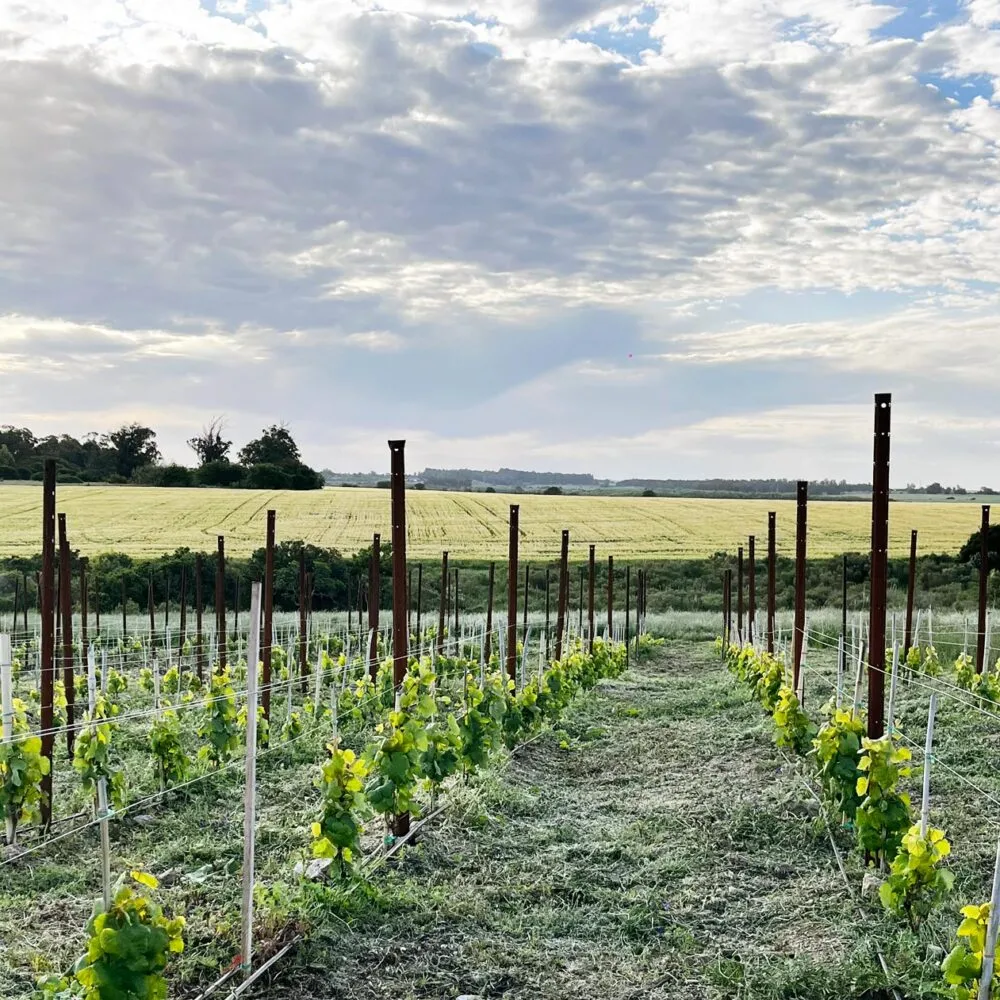
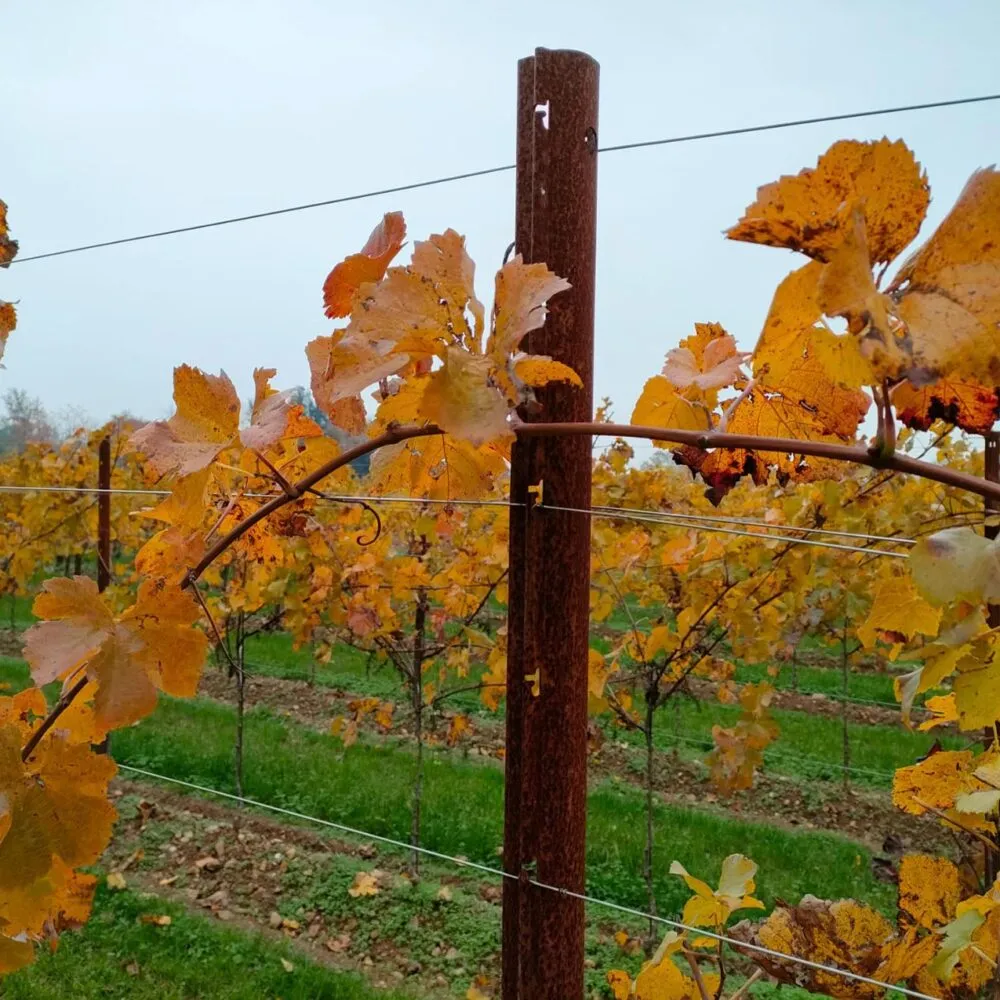
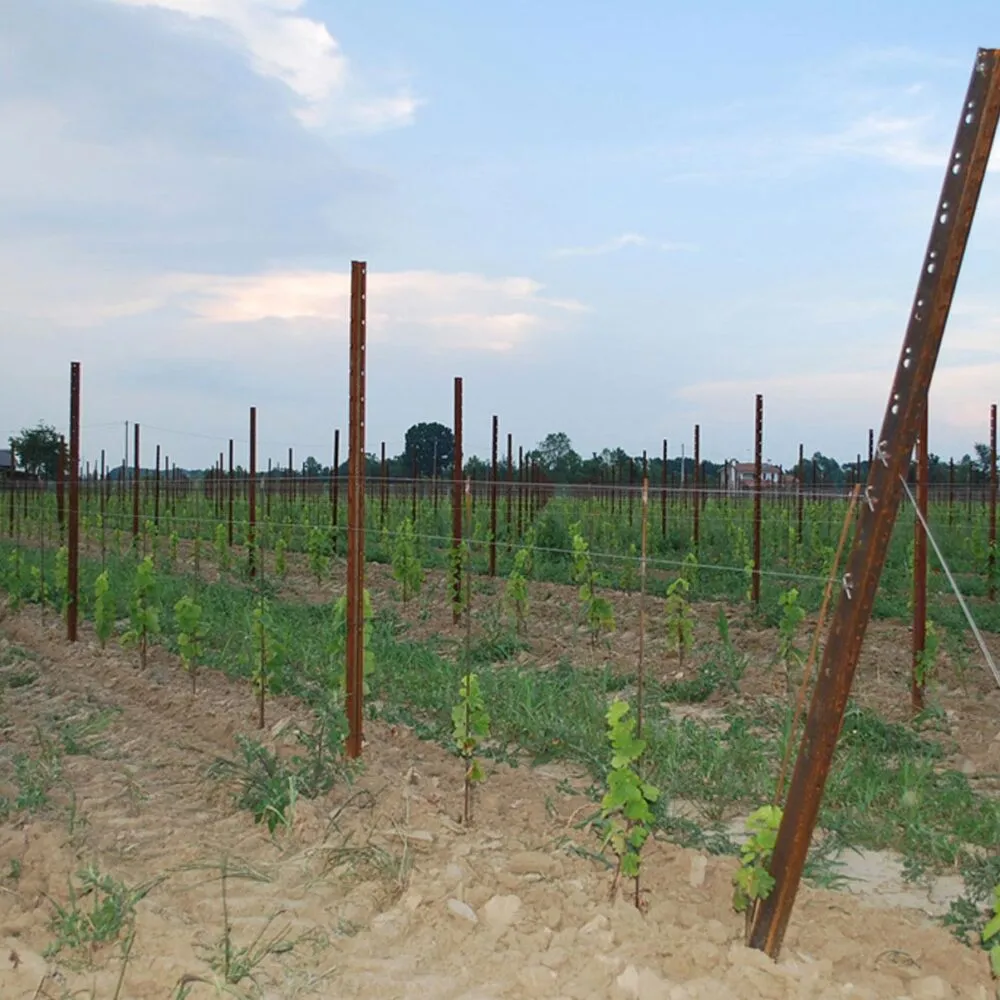
- Vineyard posts: Galvanized steel posts offer superior corrosion resistance through hot-dip galvanization. Corten steel posts develop a protective patina and blend naturally with vineyard aesthetics. Post dimensions should match structural requirements—65x45mm for heavy-duty applications or 51x33mm for standard installations
- Line posts and end posts: Line posts maintain row alignment at 5-meter intervals. End posts bear substantial wire tension loads at row terminals and require robust construction with proper anchoring systems
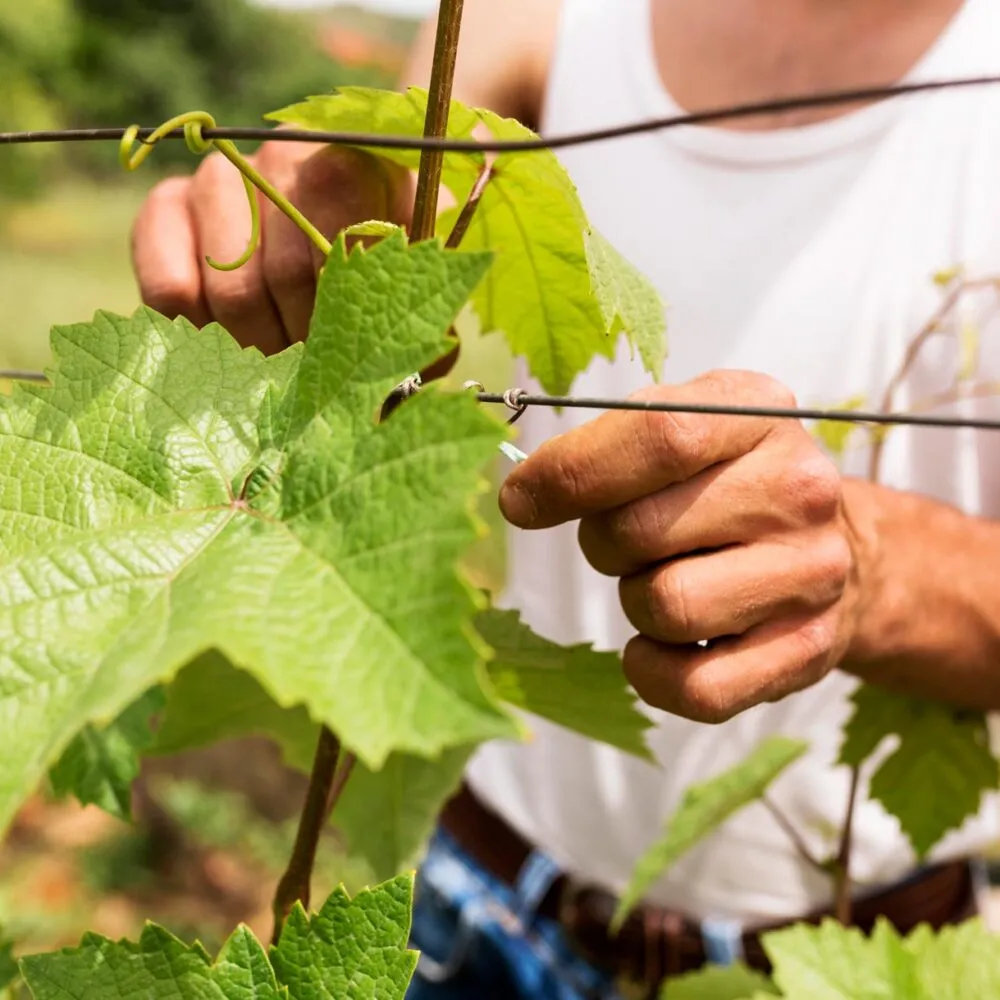
- Wire specifications: Primary fruiting wires position at heights determined by training system. Upper catch wires guide vertical shoot growth. Wire gauge and tensile strength must match vineyard lifespan expectations
- Trellis accessories: Wire tensioners maintain proper tension throughout seasonal temperature variations. Hooks, clips, and spacers ensure secure wire attachment. Vineyard stakes support young vines during establishment
- Anchoring systems: End post anchors stabilize the structure against cumulative wire tension. Properly designed anchors prevent post movement that compromises system integrity over time.
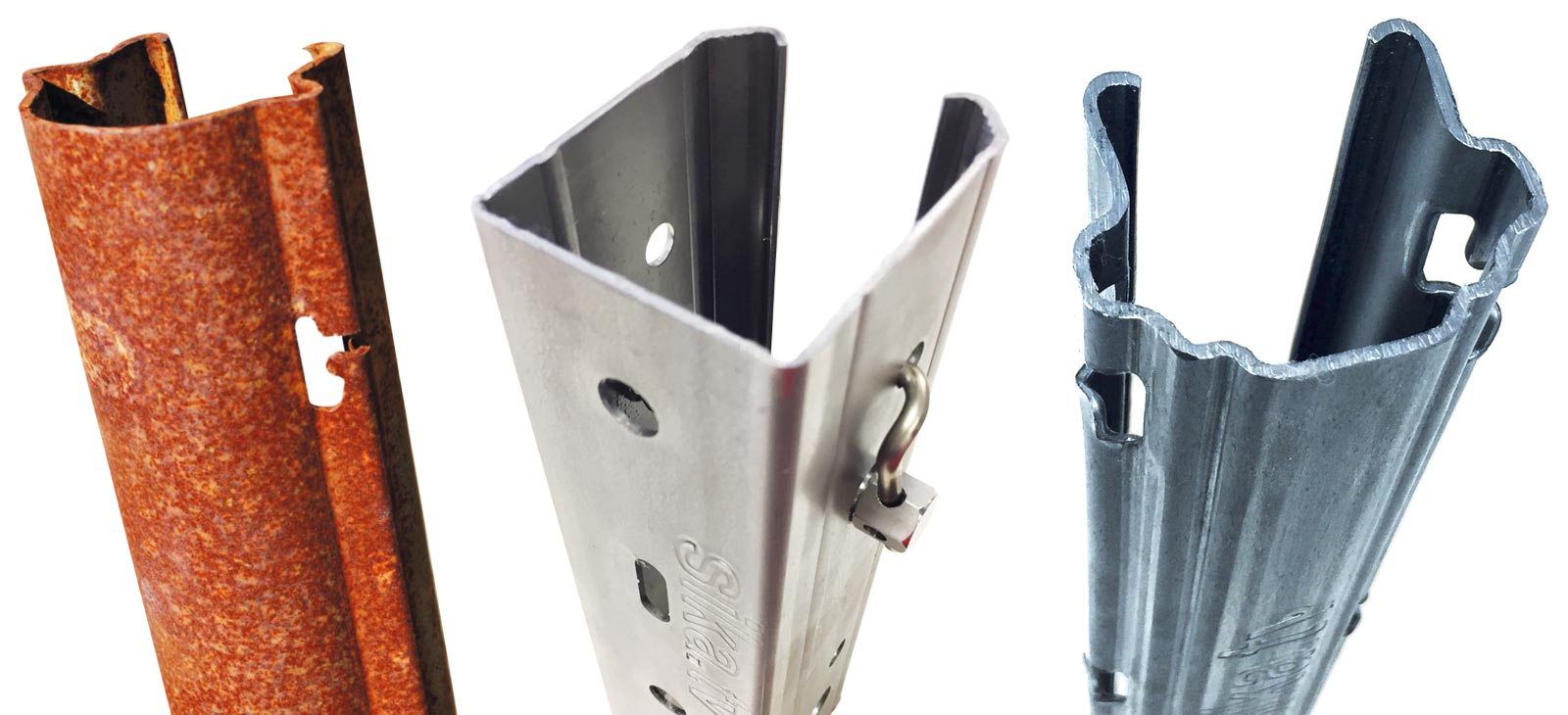
Sika grape vine trellis solutions for every variety and training system
Building the ideal grape vine trellis for your specific varieties requires a trusted manufacturing partner. Sika brings over 23 years of specialized expertise to vineyard infrastructure. The company produces galvanized steel and corten vineyard posts engineered for all major training systems.
Sika’s posts feature innovative combined punching systems. These accommodate multiple wire configurations for Guyot, Cordon, Sylvoz, and other training methods. Section openings ensure proper ventilation at soil level, preventing moisture accumulation. The 1.8 to 2.0mm steel thickness provides mechanical strength for decades of reliable service.
ISO 9001, 14001, and 45001 certifications guarantee consistent quality across every product. Sika ships over 400,000 vineyard posts annually to more than 40 countries worldwide. Complete turnkey solutions include posts, trellis wire, tensioners, stakes, and all essential accessories.
Whether you’re establishing Pinot Noir on a Guyot system or training vigorous Trebbiano on Sylvoz infrastructure, Sika delivers the grape vine trellis components your vineyard needs.
Contact our technical team for personalized recommendations matched to your grape varieties and production objectives.

The best posts for your vineyard


Need a quote?
Request our updated catalog
Fill out the form to receive the catalog and get a free, no-obligation quote within 24 hours.