Read also





Selecting the appropriate vineyard training system represents one of the most consequential decisions in viticulture, directly impacting grape quality, operational efficiency, and long-term profitability. The debate Guyot vs Cordon training methods continues to engage vineyard managers worldwide, as each system offers distinct advantages suited to different terroir conditions, grape varieties, and production goals. Understanding the fundamental differences between these two approaches enables informed decision-making when establishing or renovating vineyard operations, particularly when investing in the supporting infrastructure of galvanized or corten steel vineyard posts that will anchor your trellis system for decades.
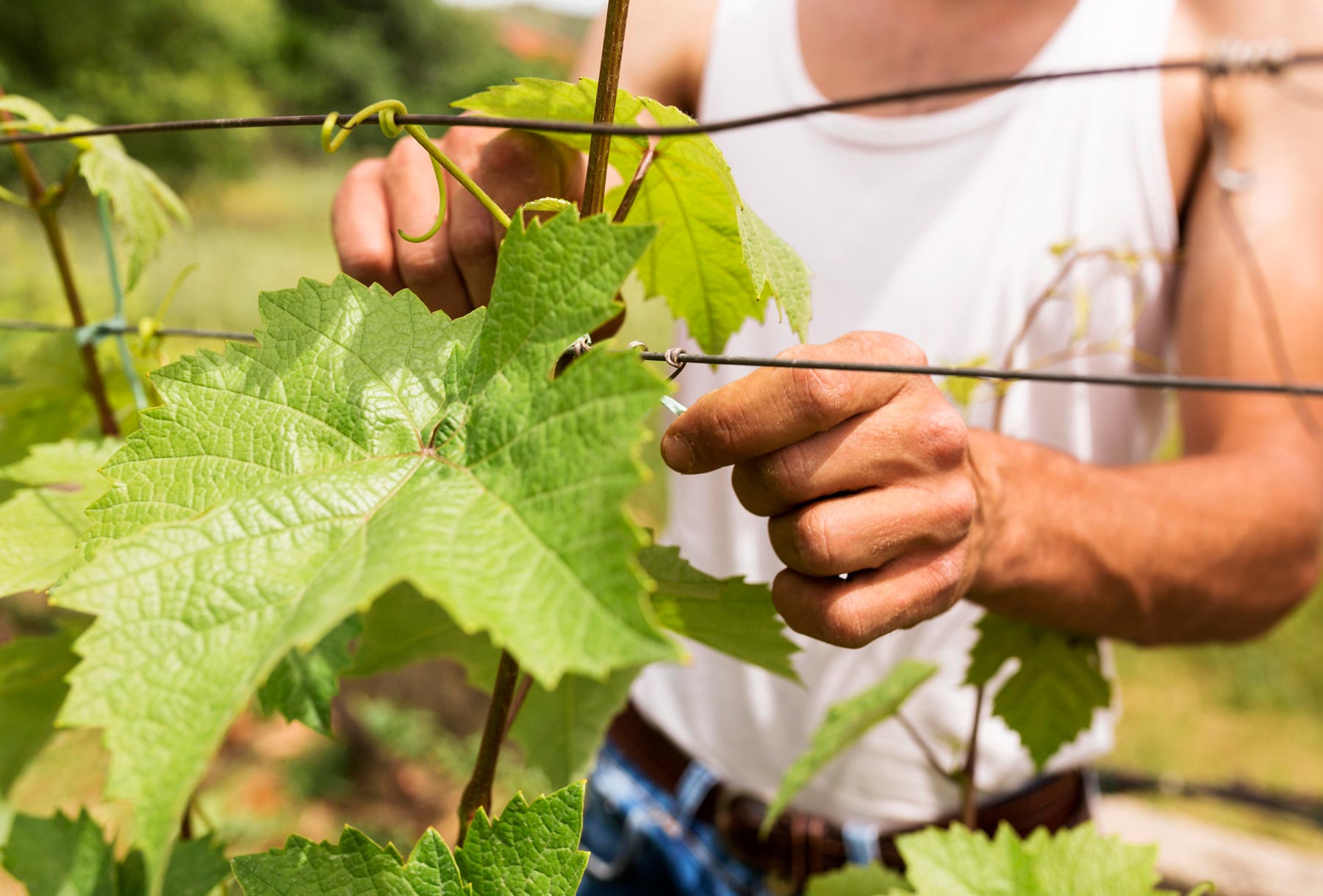
The Guyot system, widely adopted across European wine regions and used by over 35% of Italian winegrowers, operates as a mixed pruning method that combines a renewal spur with one or more fruiting canes. In this vertical shoot positioning approach, vines develop a relatively short trunk (typically 1 to 1.2 meters high) from which one or two horizontal fruiting canes extend annually along the lower trellis wire. These canes, each bearing 8 to 12 buds, are completely removed during winter pruning and replaced with new growth from the renewal spur, creating an annual regeneration cycle.
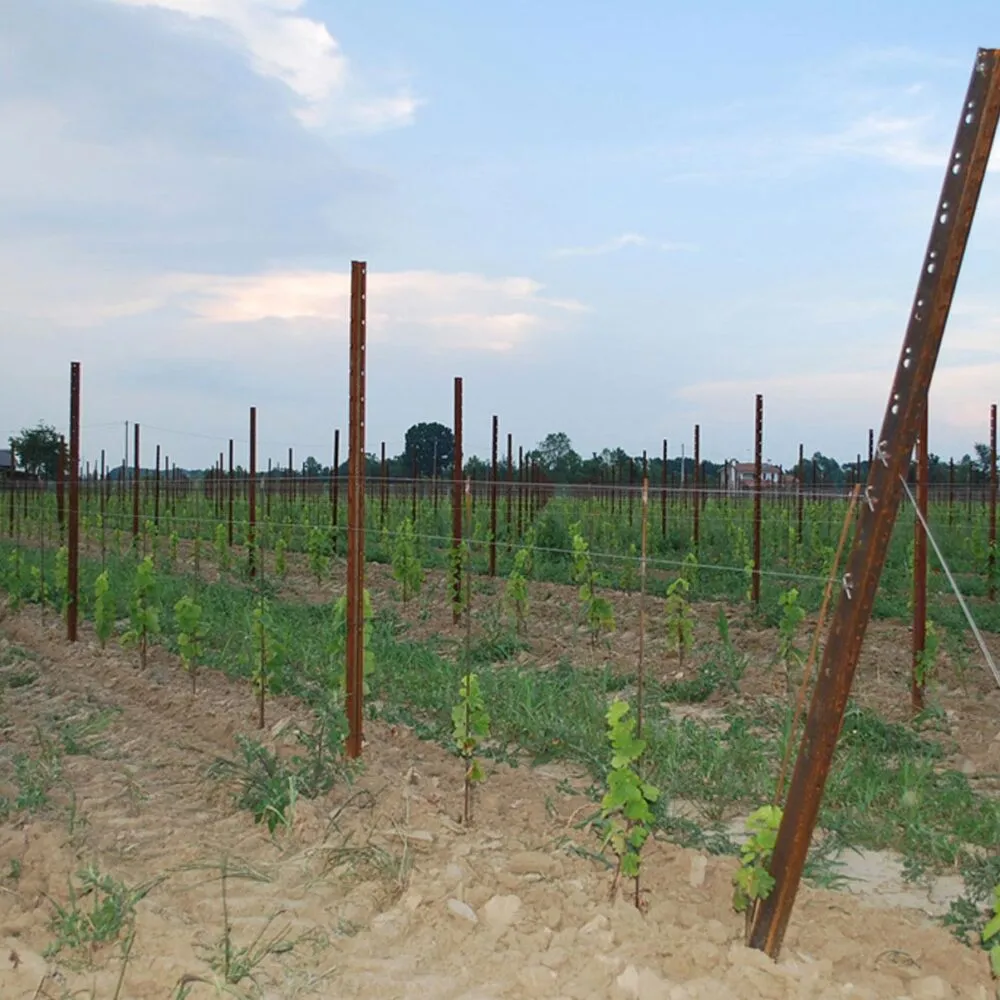
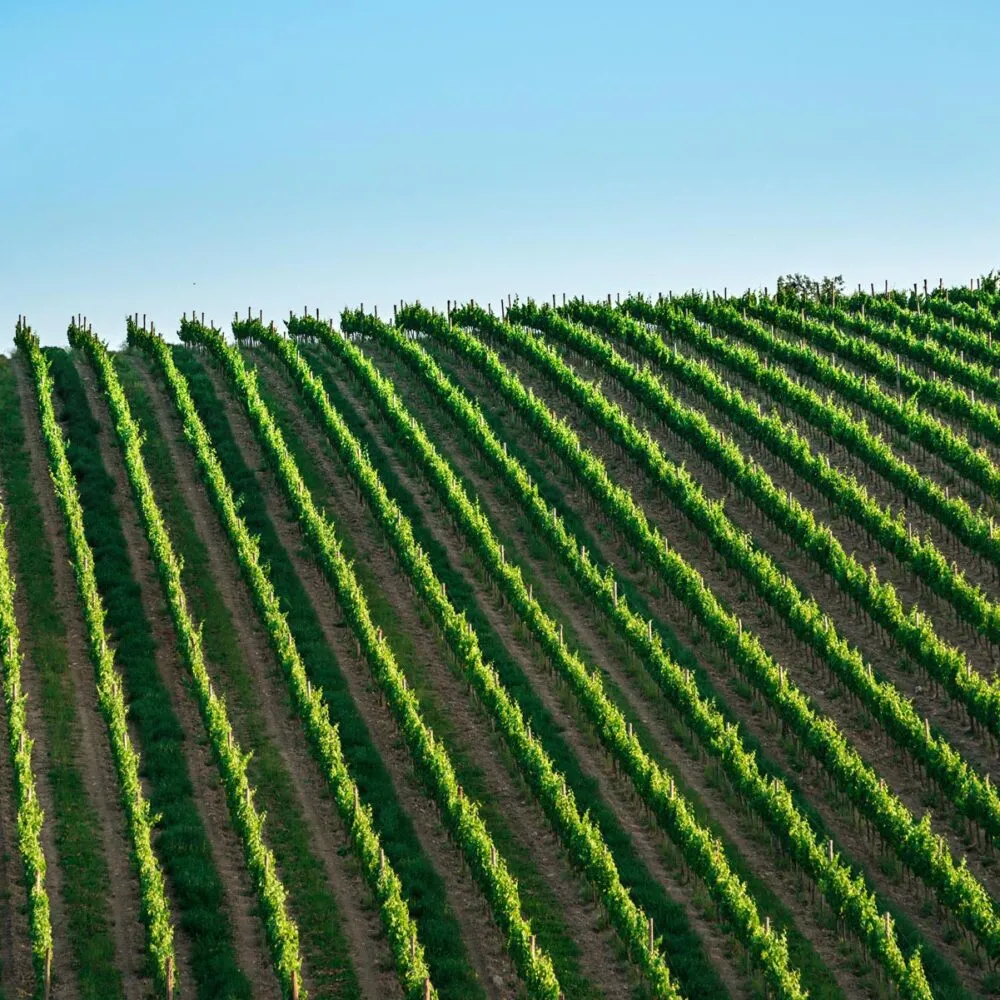
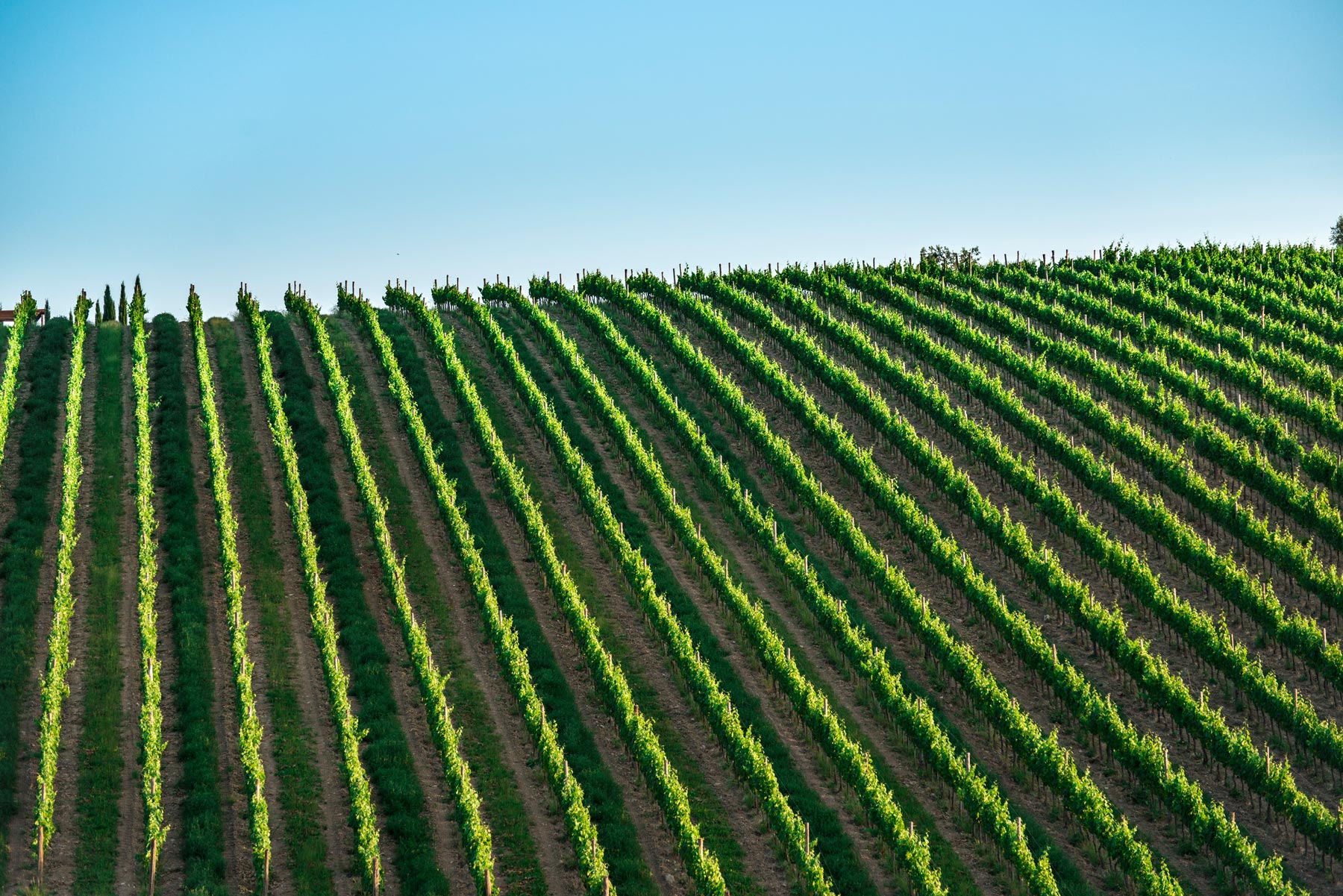
The Guyot trellis structure requires vineyard posts measuring 2.0 to 2.3 meters above ground, positioned every 5 meters along rows, with vine spacing of 1.3 to 1.8 meters and row spacing of 2 to 3 meters. The first wire sits at 1 to 1.2 meters, with upper catch wires spaced approximately 40 centimeters apart to support vertical shoot growth. This configuration delivers excellent canopy aeration and uniform sun exposure. These factors prove critical for balanced fruit maturity and quality wine production, particularly on sloped terrain where the system’s adaptability excels.
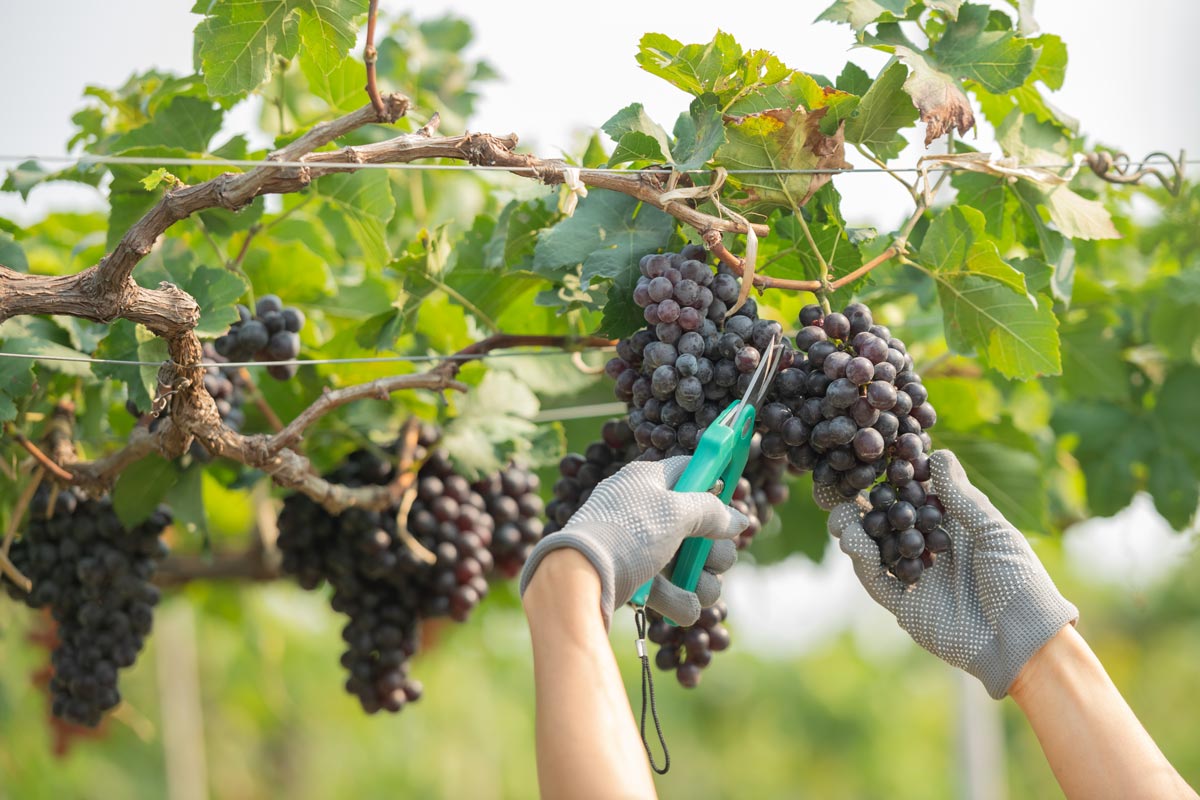
Cordon training establishes permanent horizontal arms extending from the vine trunk along a single trellis wire, forming either a unilateral configuration with one arm or, more commonly, a bilateral T-shaped structure with two arms. Unlike Guyot’s annual cane replacement, cordons remain as semi-permanent extensions of the trunk for five years or more, with short fruiting spurs positioned at regular intervals along these arms—ideally every 10 centimeters. Each spur retains just 2 to 3 buds after winter pruning, from which the season’s fruiting shoots emerge.
The cordon system typically positions its main wire between 1 and 1.8 meters above ground, depending on whether implementing a low, mid-wire, or high cordon configuration. This training method requires robust vineyard posts to support the permanent weight of mature cordons, making the selection of high-quality galvanized steel or corten vineyard posts particularly important. The structural permanence offers operational advantages in mechanization potential and reduced annual labor requirements, though establishing the initial cordon architecture demands three to four years of careful training before full production capacity.
When evaluating Guyot vs Cordon for your vineyard investment, several critical performance distinctions emerge that directly impact both viticulture management and economic outcomes:
The choice between these systems ultimately depends on your specific vineyard conditions, labor availability, production objectives, and varietal characteristics. Many successful operations implement both methods across different vineyard blocks, matching training system to site potential
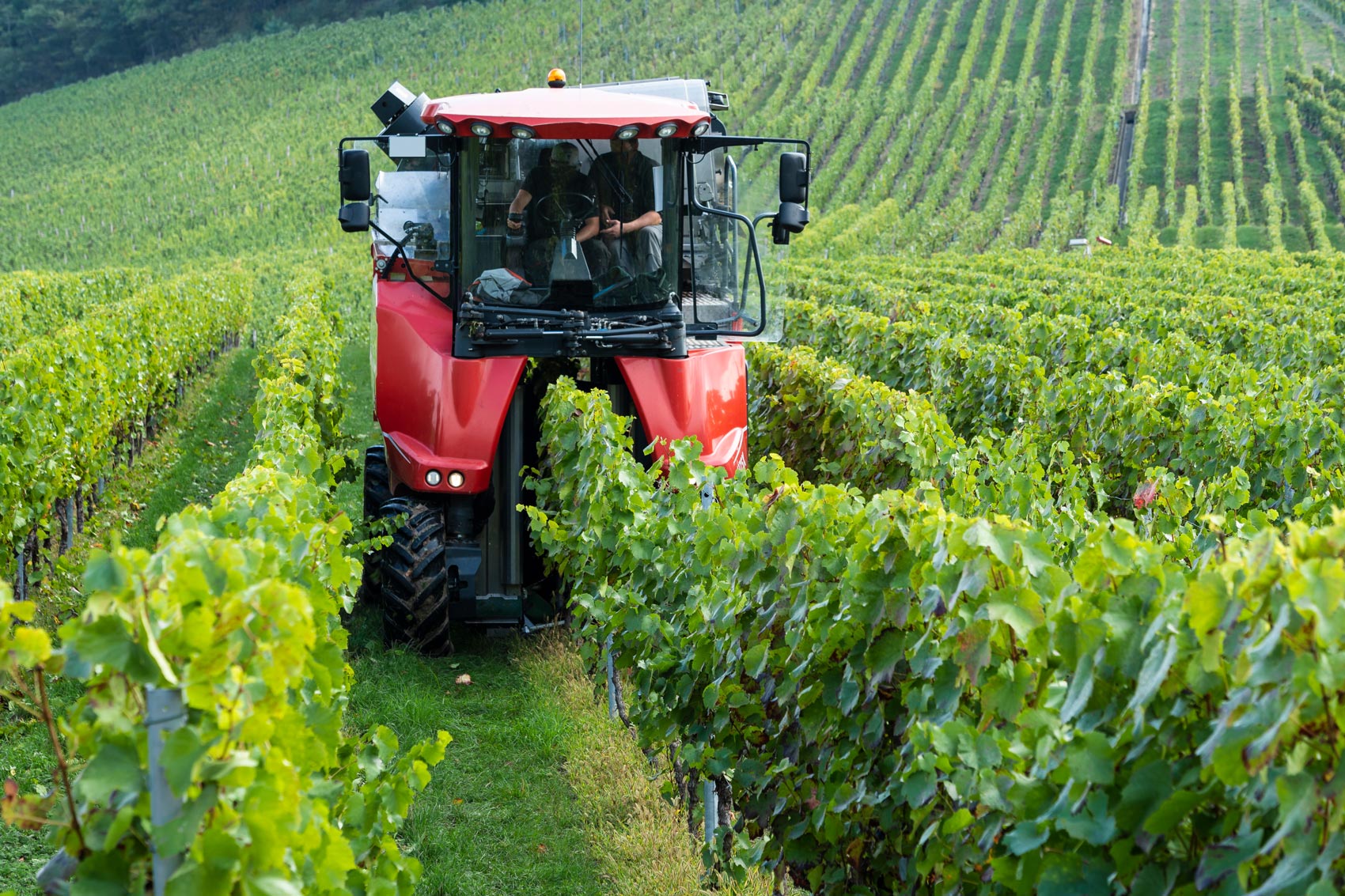
Regardless of whether you choose Guyot or Cordon training for your vineyard, the foundation of a successful trellis system lies in superior quality vineyard posts. Sika specializes in manufacturing galvanized steel and corten vineyard posts specifically engineered to meet the demanding structural requirements of both training methods.
With over 23 years of experience producing vineyard infrastructure, Sika’s posts feature innovative design elements including combined punching systems for versatile wire attachment, enhanced resistance to bending and twisting, and section openings that ensure proper ventilation at soil level.
The company’s ISO 9001, 14001, and 45001 certifications guarantee consistent quality and material traceability—essential for vineyard operations shipping to over 40 countries worldwide. Whether you’re establishing a Guyot system on hillside terrain requiring precise post positioning or implementing a Cordon framework demanding robust long-term support for permanent arms, Sika provides complete turnkey solutions including line posts, end posts, galvanized trellis wire, wire tensioners, vineyard stakes, and all essential accessories. This comprehensive approach ensures your vineyard trellis system delivers optimal performance, stability, and productivity for decades to come.
Fill out the form to receive the catalog and get a free, no-obligation quote within 24 hours.