


Read also






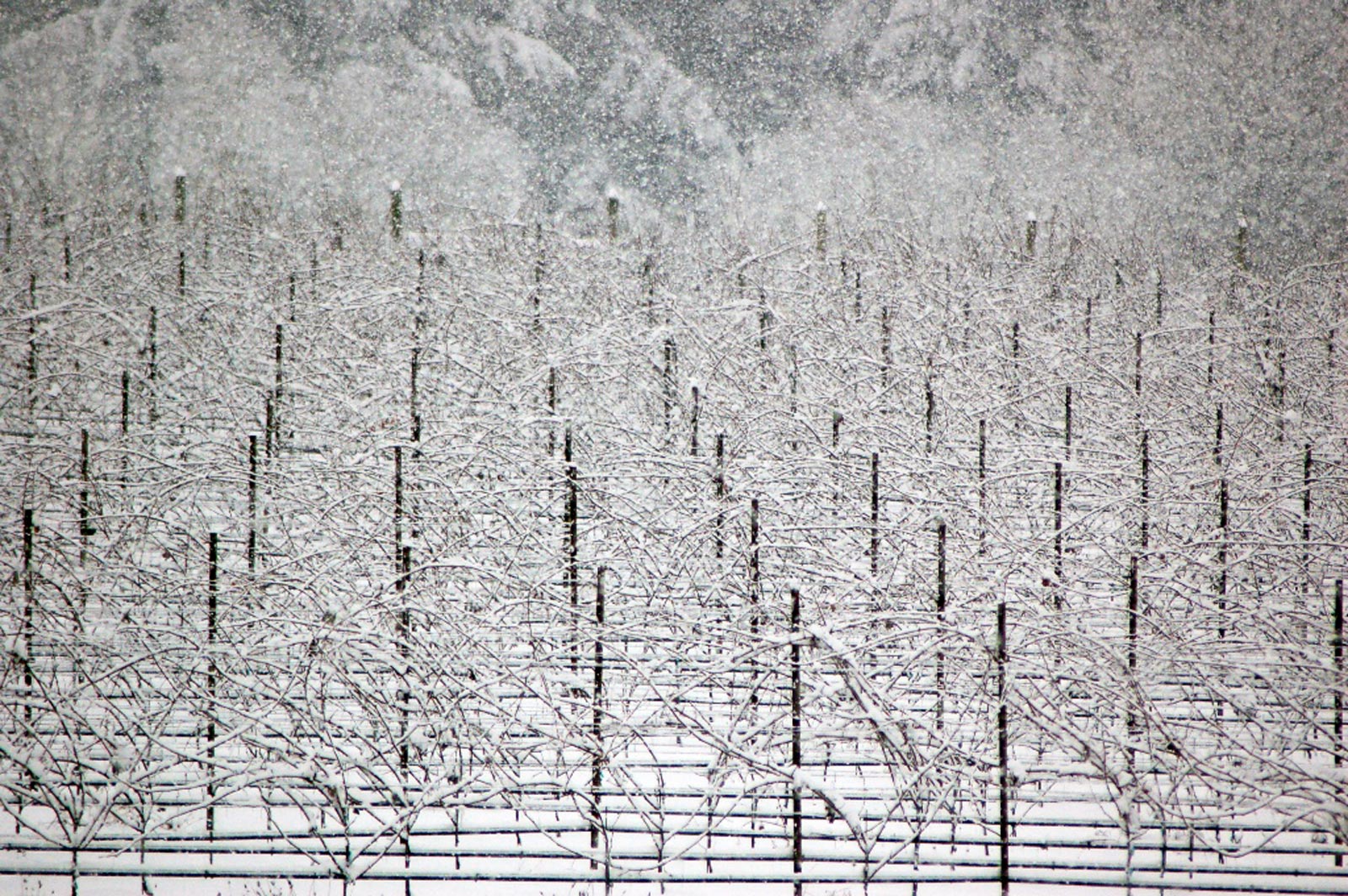
Cold climate viticulture presents unique challenges for vineyard infrastructure. Winter frost, ice loads, and temperature extremes test every component of your wine grape trellis system. Selecting the right trellis design protects your vines and investment. The optimal configuration balances frost protection with sun exposure and air circulation. Cold-hardy grape varieties require specific training systems that accommodate their growth habits. This guide examines the best wine grape trellis options for challenging northern climates. Understanding these systems helps vineyard owners make strategic decisions for long-term success.
Cold climate grape growing demands trellis designs that address frost vulnerability. Vine trunks and fruiting wood risk damage when temperatures drop below critical thresholds. The ideal wine grape trellis allows for easy trunk replacement when winter injury occurs.
Low-wire and mid-wire systems offer advantages in cold regions. They position trunks closer to ground-level heat radiation. This provides natural frost protection during critical spring periods. Trunks trained at 15 to 40 centimeters above ground benefit from soil warmth.
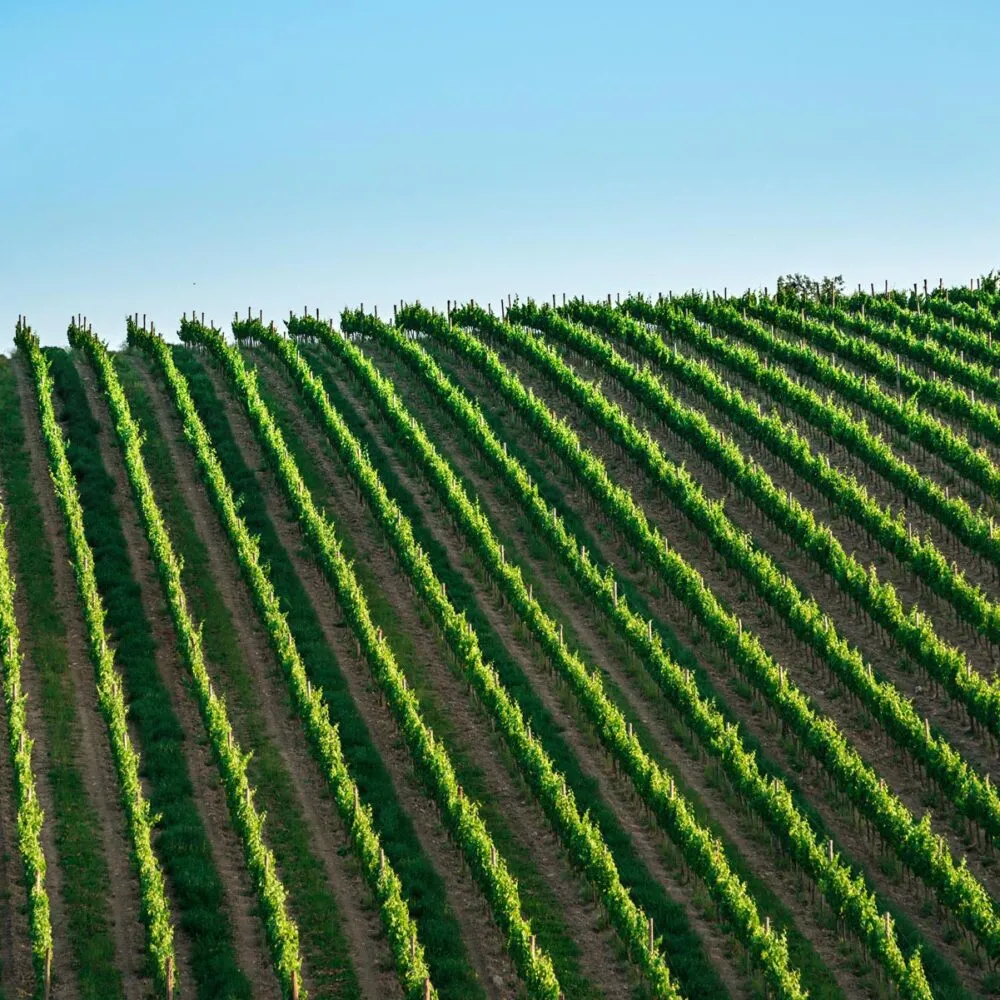
Vertical shoot positioning (VSP) systems excel in cool climates. They maximize sun exposure on fruit zones and renewal wood. The upward shoot growth captures available sunlight efficiently. This promotes proper ripening even in shorter growing seasons.
High cordon systems also suit cold-hardy grape varieties. They require 1 to 3 wires with the top wire at 1.2 to 1.8 meters above ground. Cold-hardy grapes grow vigorously and need room for canopy development. The high wire configuration accommodates this growth habit effectively.
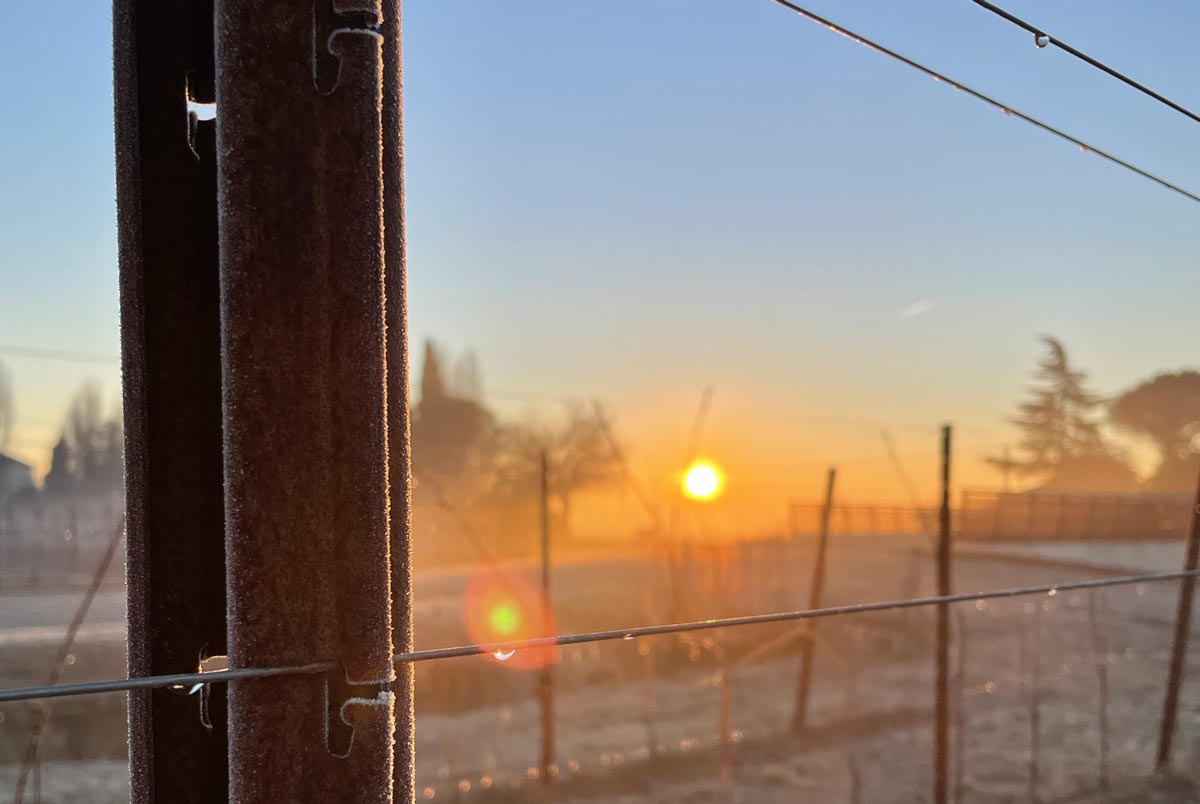
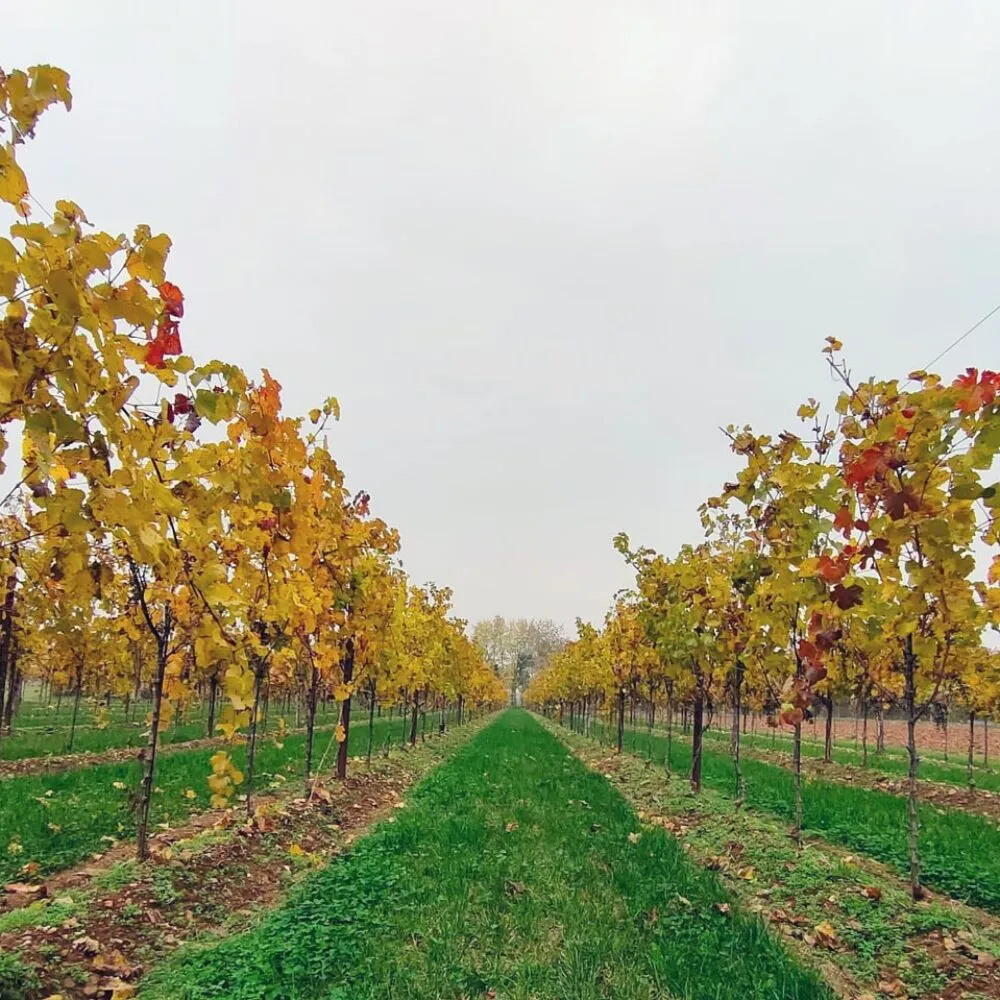
The Guyot system remains the preferred wine grape trellis for quality-focused cold climate production. Its vertical shoot positioning ensures excellent canopy aeration. Uniform sun exposure promotes even ripening across all grape clusters. Over 35% of European winegrowers trust this method.
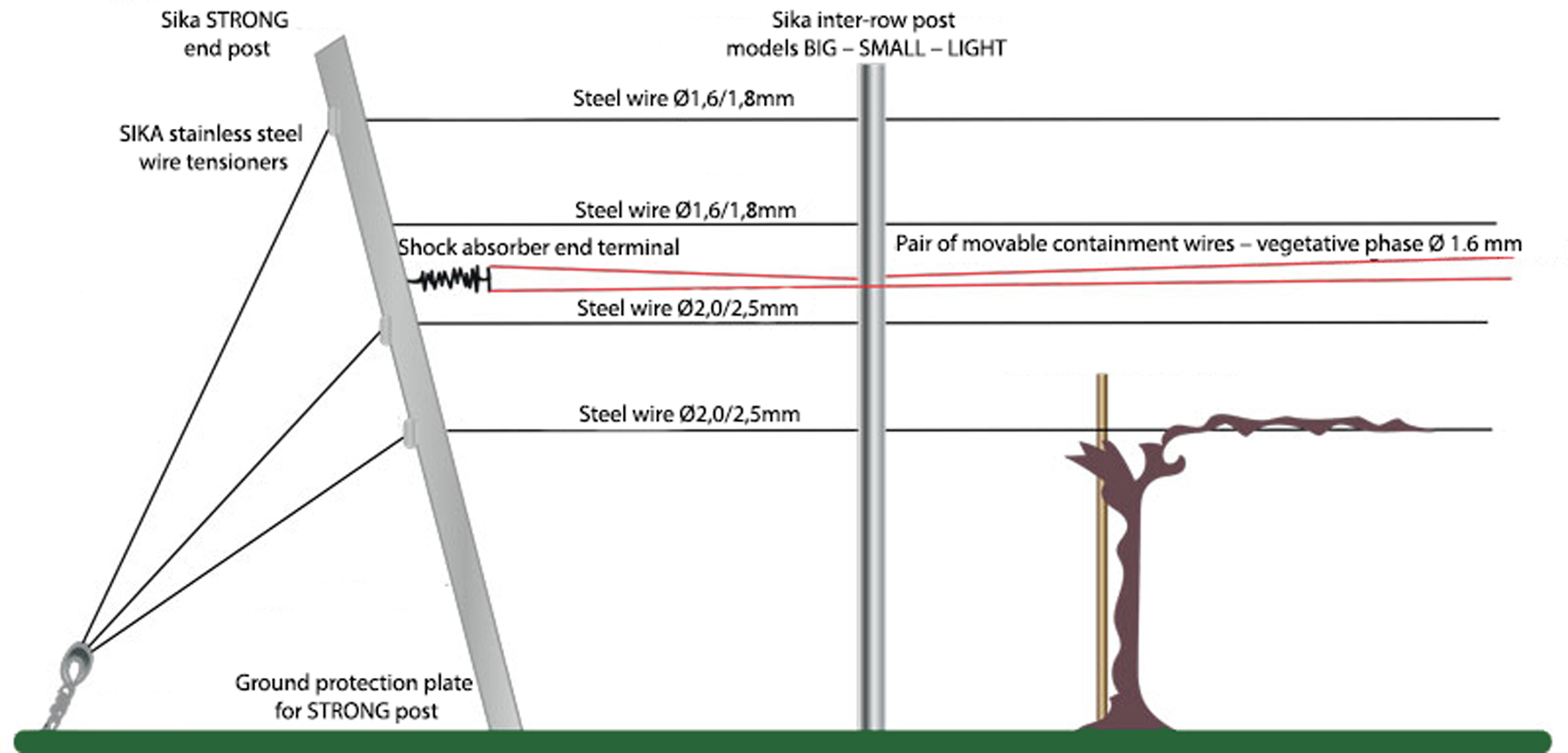
Guyot’s cane-pruned structure offers flexibility after winter damage. Vineyard managers can select undamaged wood for fruiting canes. This adaptability proves invaluable where frost injury varies annually. The system uses posts of 2.0 to 2.3 meters with 3 to 4 wire levels.
The Umbrella Kniffin system suits cold climate hybrid varieties. Long canes of 10 to 20 buds originate from renewal spurs near the trunk top. Canes bend over the top wire and tie to a mid wire below. This configuration works well with vigorous cold-hardy cultivars.
High bilateral cordon training supports mechanized cold climate operations. Permanent cordons along the top wire simplify annual pruning. Spur pruning reduces labor compared to cane selection methods. This system proves cost-effective for larger commercial plantings.
For sites with severe winter conditions, multiple trunk systems provide insurance. Training two or three trunks per vine ensures survival if one suffers damage. This redundancy protects production continuity in extreme climates.
Wine grape trellis posts in cold climates face extreme stress. Freeze-thaw cycles test material integrity annually. Ice accumulation adds substantial weight loads. Only premium materials deliver reliable long-term performance.
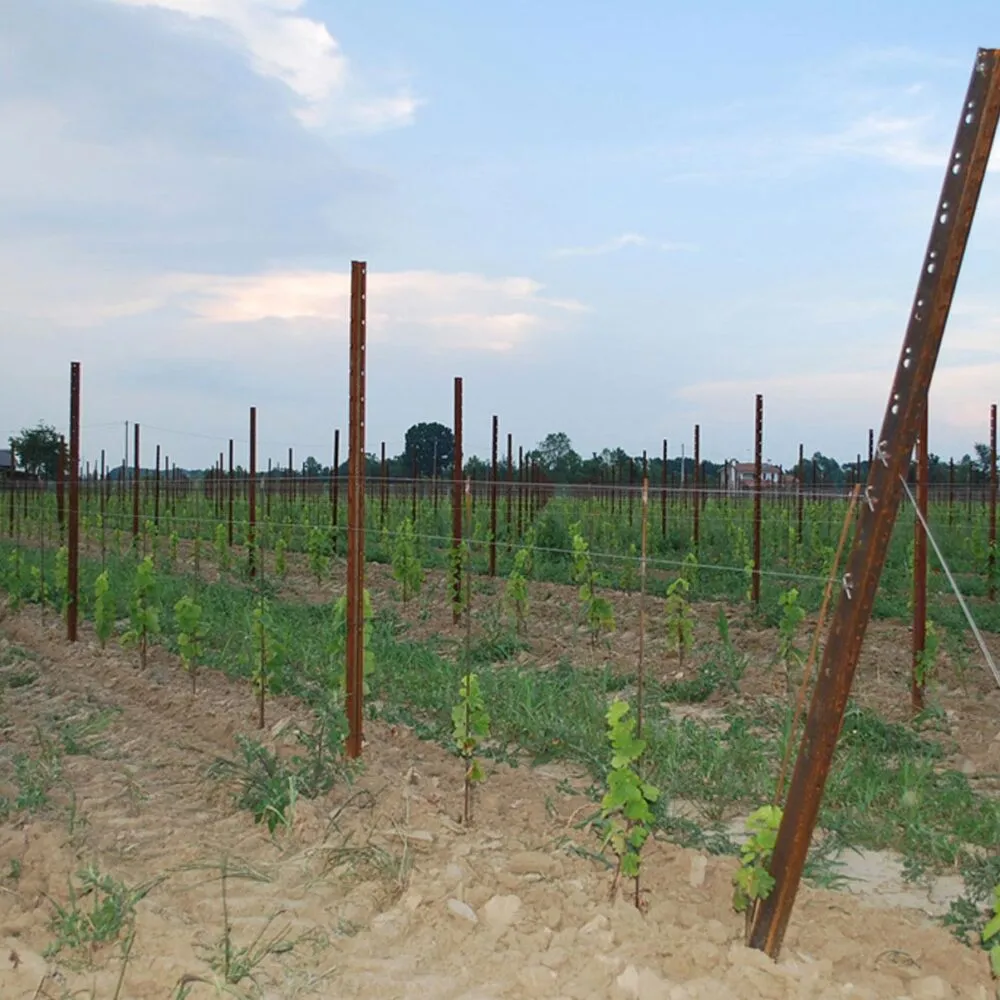
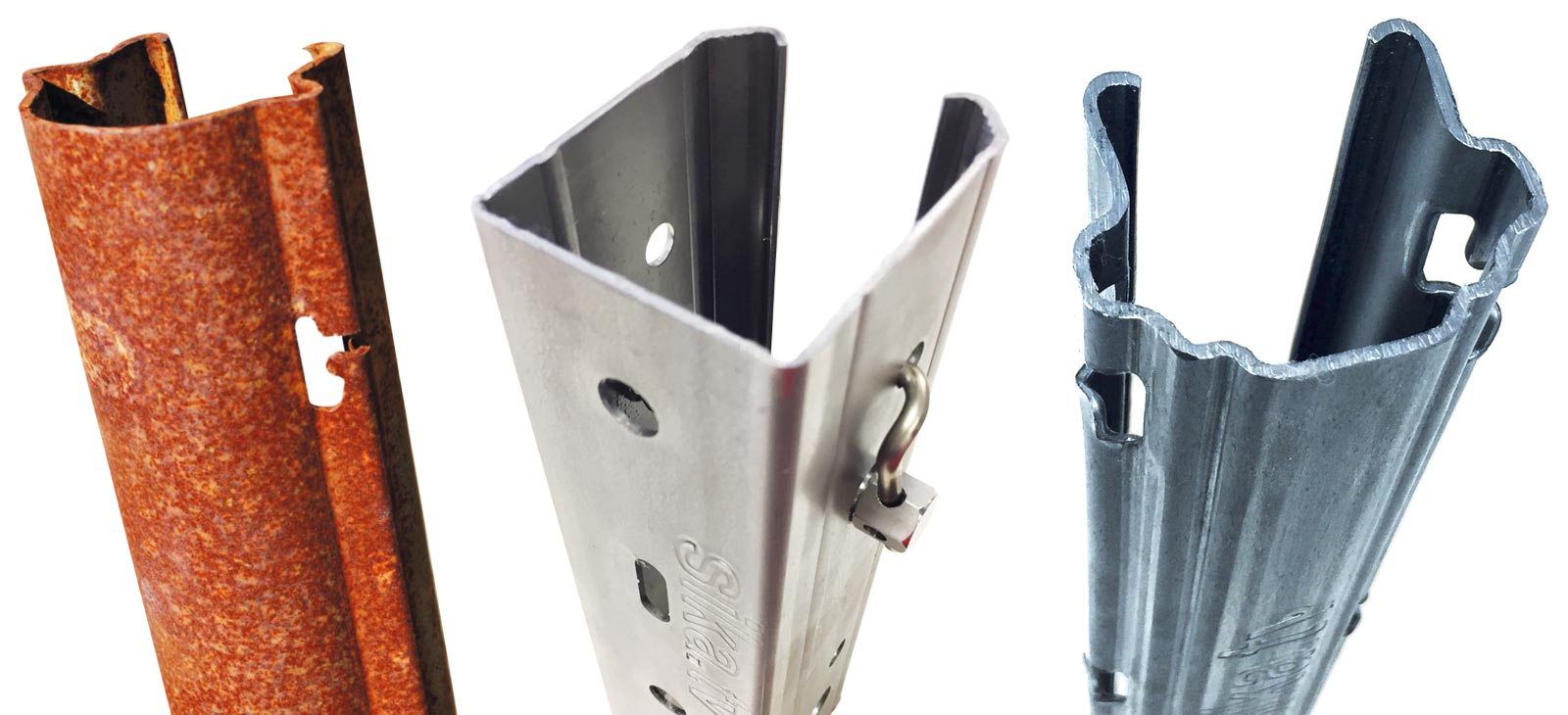
Galvanized steel posts represent the industry standard for cold climate durability. Hot-dip galvanization creates a protective zinc coating that resists corrosion. This coating withstands moisture from snow, ice, and spring thaw conditions. Steel thickness of 1.8 to 2.0mm provides mechanical strength against ice loads.
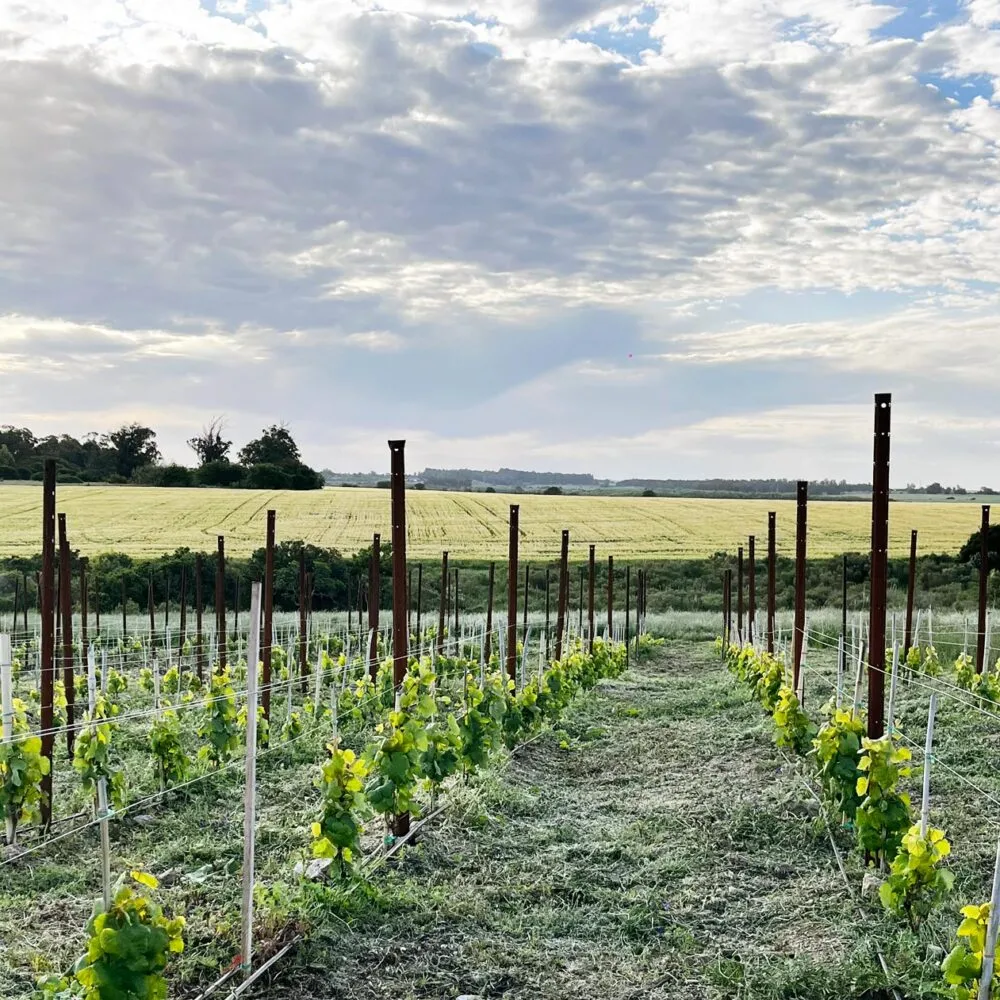
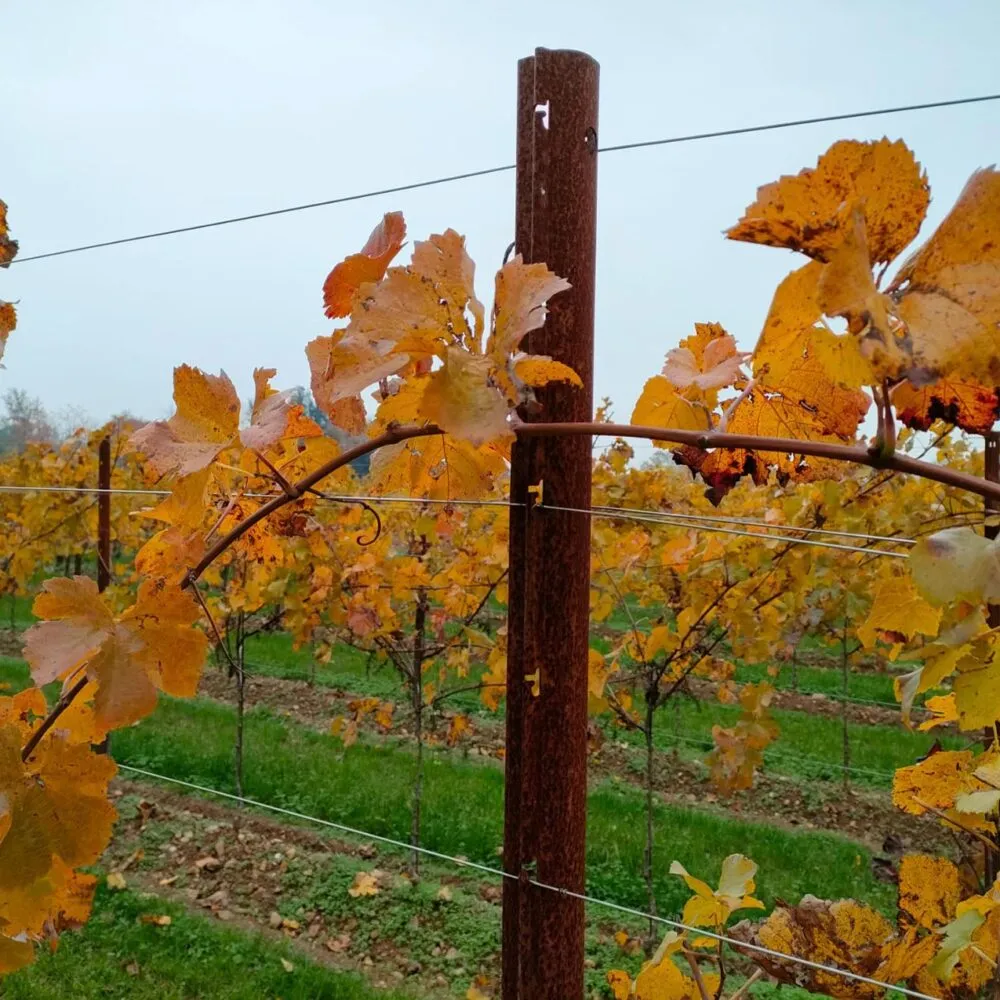
Corten steel posts offer exceptional weathering resistance. The protective patina develops naturally over time. This rust-like coating actually prevents deeper corrosion. Corten performs excellently in humid conditions with frequent freeze-thaw cycles. Many cold climate wineries appreciate its natural aesthetic integration.
Wooden posts present limitations. They require chemical treatment for rot resistance. Even treated wood deteriorates faster in wet, cold conditions. Replacement cycles of 15 to 20 years add long-term costs. Steel alternatives typically outlast wood by decades.
Concrete posts provide strength but lack flexibility. They may crack under severe frost heaving conditions. Their weight complicates installation and replacement. Most professional cold climate operations prefer steel solutions.
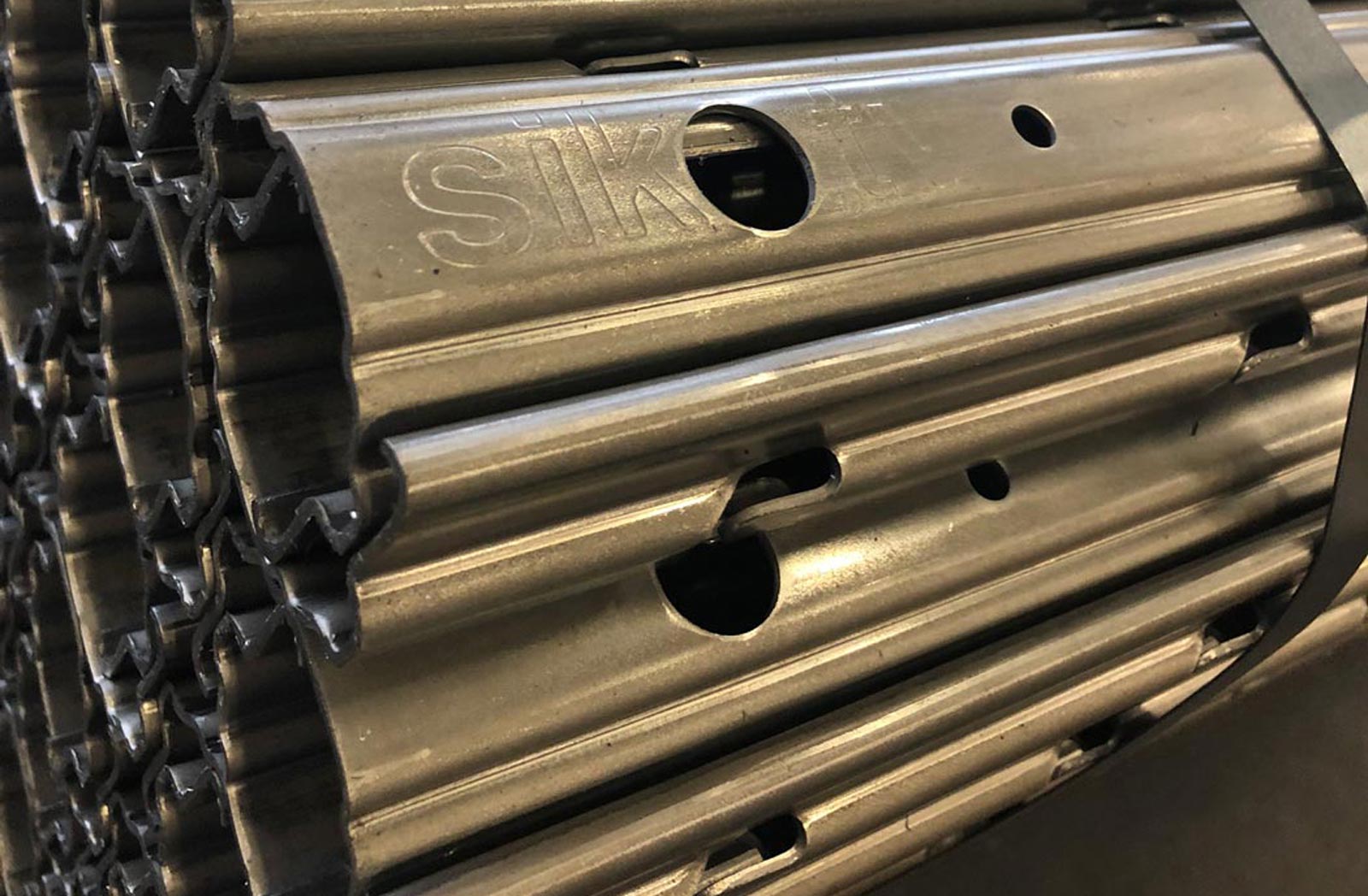
Sika manufactures both galvanized and corten steel posts specifically engineered for demanding conditions. Innovative section openings ensure drainage and ventilation. This prevents moisture accumulation that accelerates freeze damage at soil level.
Building a reliable wine grape trellis for cold climates requires quality components throughout. Consider these essential elements for your vineyard infrastructure:
Cold climate vineyard success starts with infrastructure you can trust. Sika brings over 23 years of manufacturing expertise to wine grape trellis systems. The company understands the unique demands of northern viticulture.
Every Sika post features design innovations suited to cold climates. Combined punching systems accommodate various training configurations. Section openings promote drainage at the critical soil interface. Steel thickness of 1.8 to 2.0mm resists deformation from ice and wind loads.
ISO 9001, 14001, and 45001 certifications guarantee consistent quality. Material traceability ensures every post meets exacting specifications. This reliability matters when your vineyard faces harsh winter conditions.
Sika ships over 400,000 posts annually to more than 40 countries. Cold climate wine regions across Canada, Northern Europe, and high-altitude areas trust Sika infrastructure. Complete packages include posts, wire, tensioners, stakes, and all accessories.
Contact Sika’s technical team for recommendations tailored to your cold climate wine grape trellis requirements. Expert consultation ensures your system performs reliably for decades.
Fill out the form to receive the catalog and get a free, no-obligation quote within 24 hours.



Stay in touch with SIKA to keep up with news, offers and valuable advice from our experts!
We use Mailchimp as our marketing platform. By signing up, you agree that your information will be transferred to Mailchimp for processing. Learn more about Mailchimp’s privacy policy.