Read also

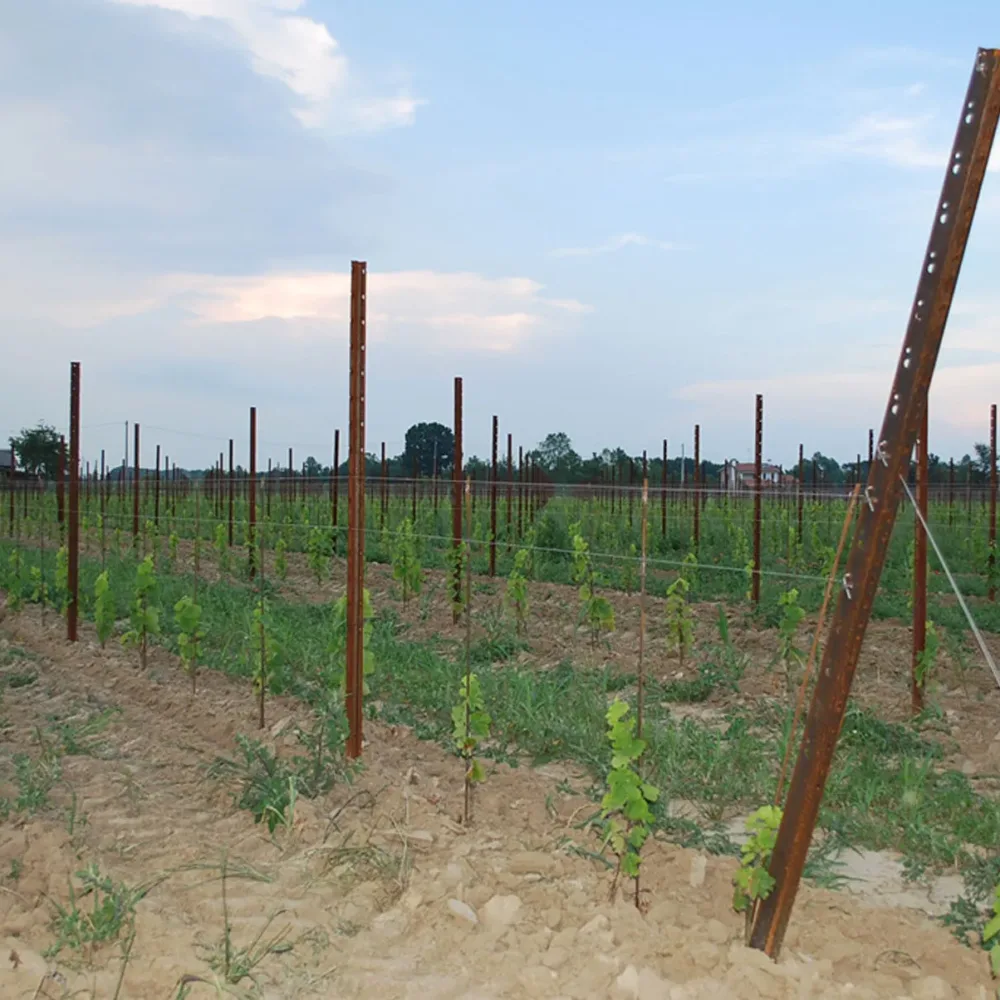

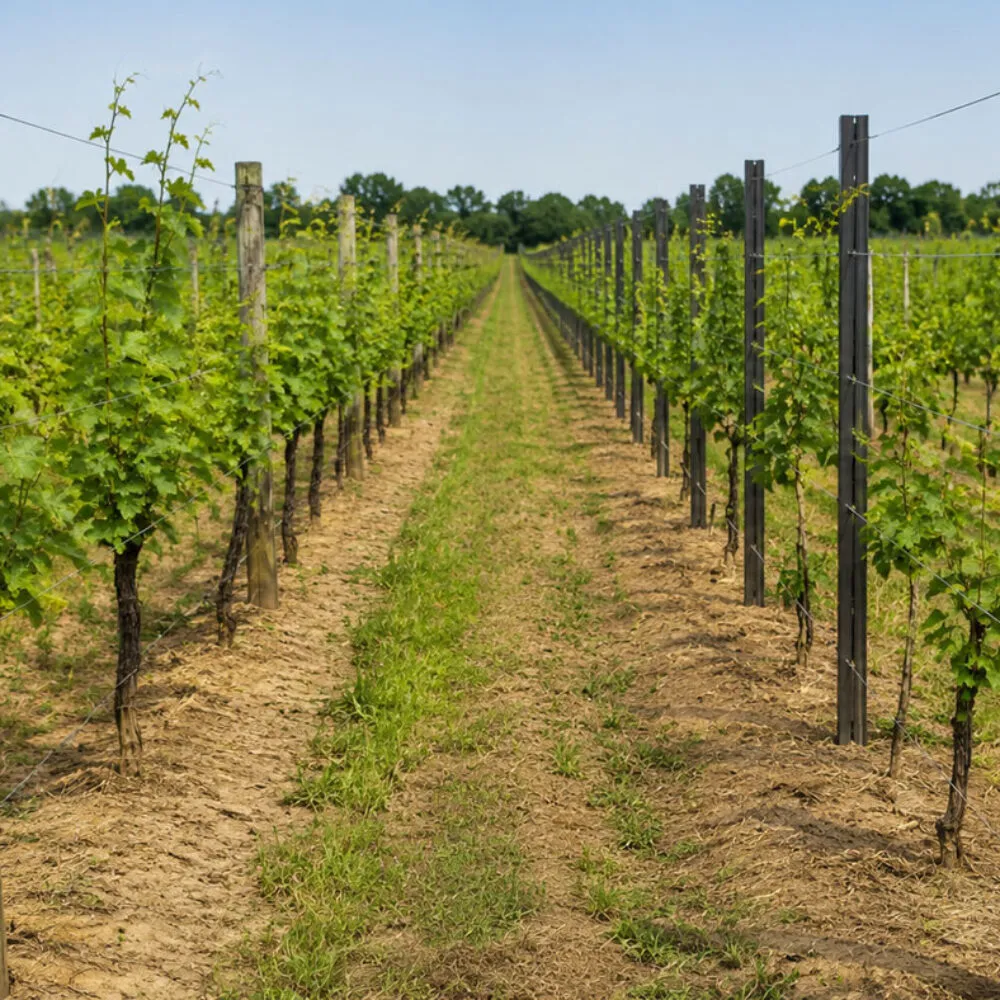
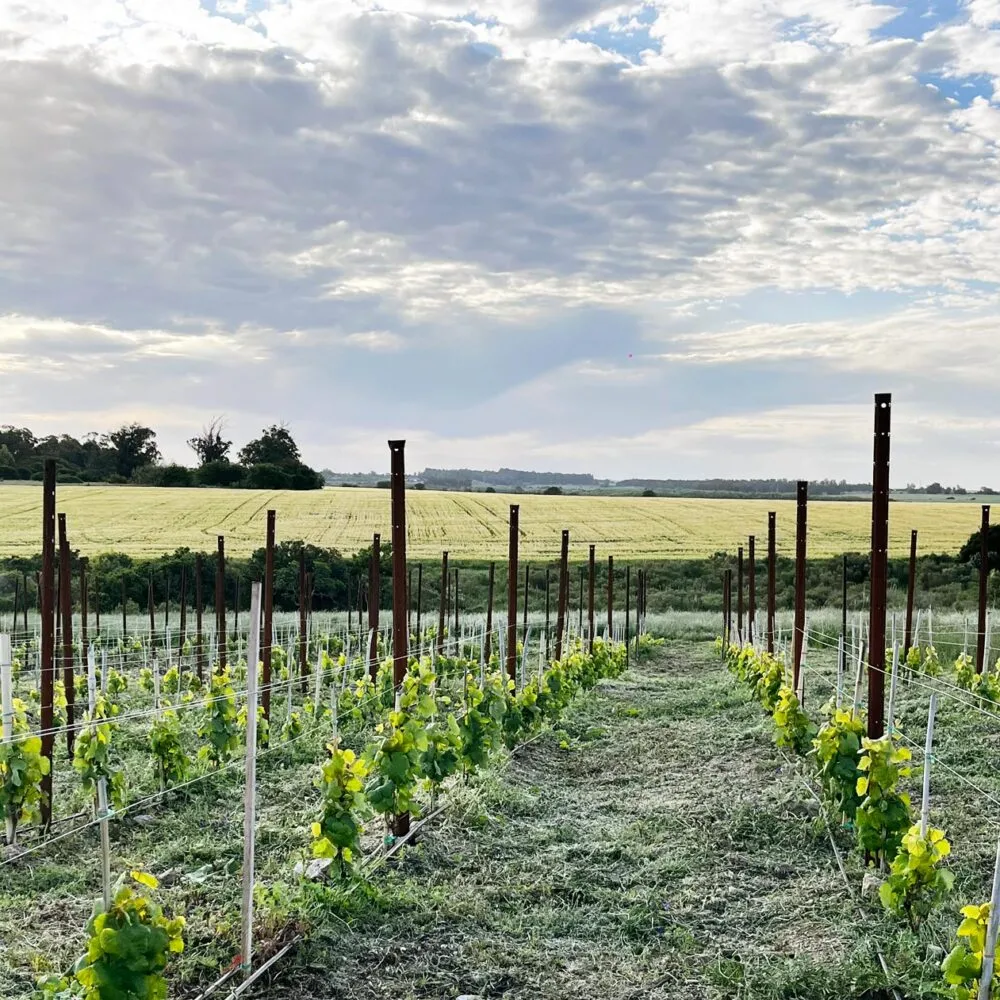


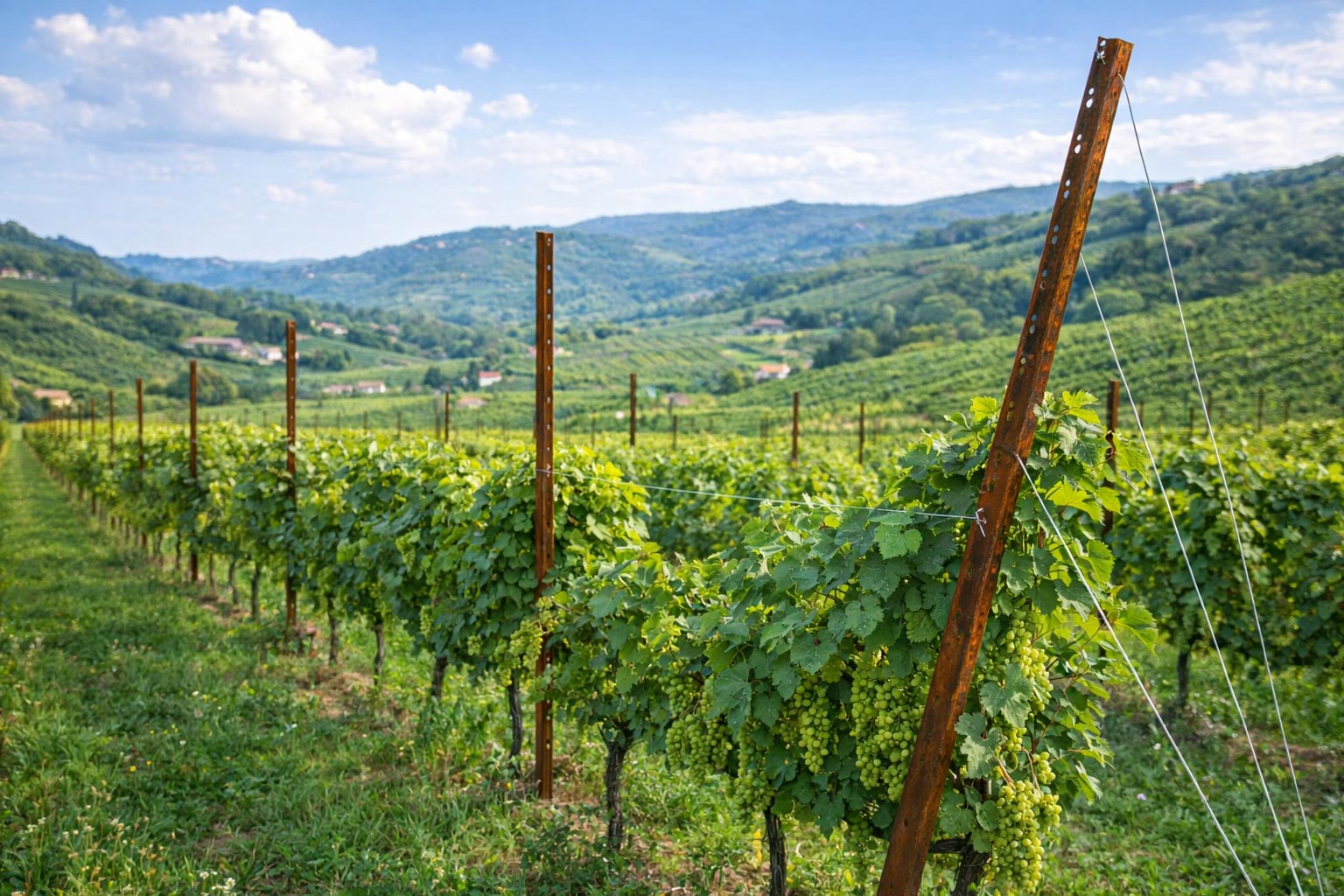
Getting the grape trellis height right is one of the first decisions when you plan a vineyard. It affects yield, grape quality and sun exposure. It also decides how easily you can prune, spray and harvest.
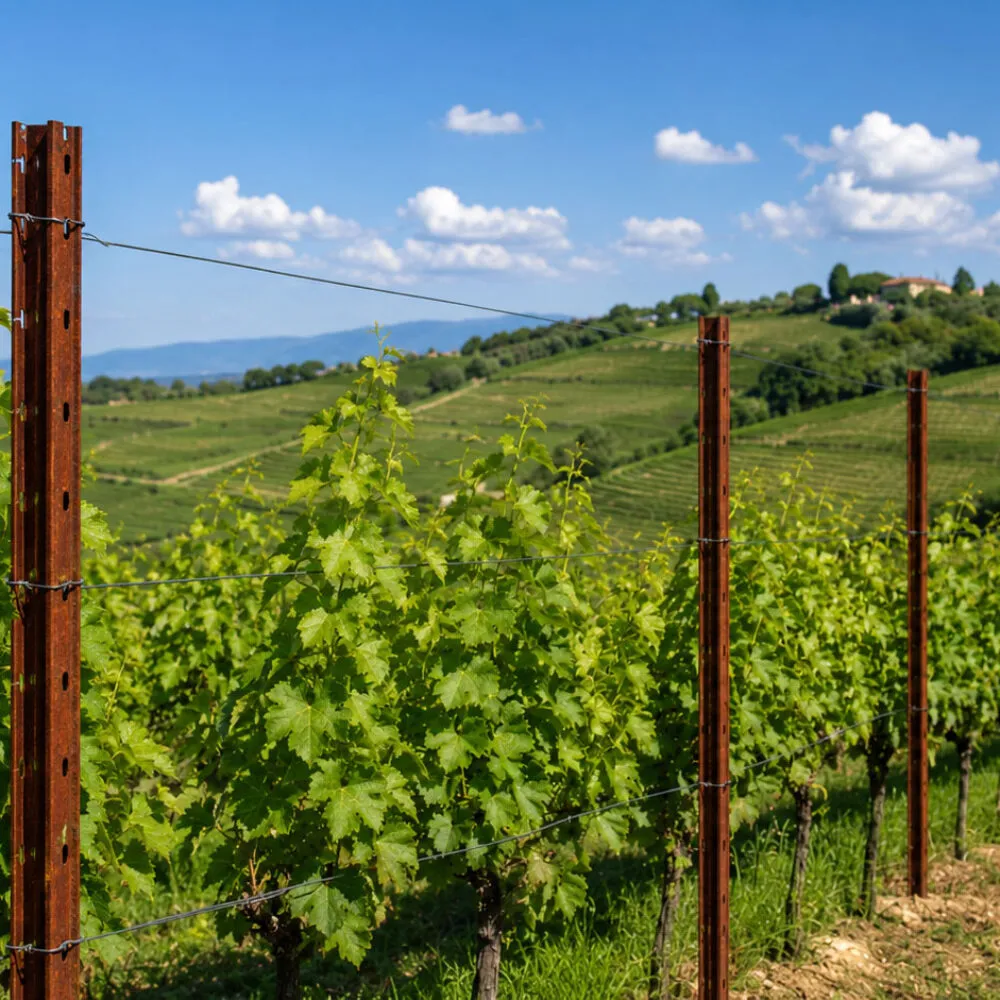
So, how tall should a grape trellis be? In most commercial vineyards trained to Guyot or vertical shoot positioning (VSP), the top wire sits about 1.5 to 1.8 m (5 to 6 ft) above the ground. The posts, in turn, stand about 1.8 to 2 m (6 to 6.5 ft) above ground.
However, there is no single correct height. The right figure depends on your training system, the vigour of the variety, your machinery and your climate. This guide explains each factor and gives typical heights for every main system. Finally, it shows how to turn trellis height into the right post length.
Five factors decide how tall your trellis should be.
Each training system places the fruiting zone and the canopy at a different height. For example, a Guyot trellis and a high cordon need very different structures. For an overview, see our guide to types of vineyard trellis systems.
Vigorous varieties on fertile soils grow a taller canopy. For this reason, they need a higher top wire and often a higher fruiting wire. Low-vigour vines on poor soils, instead, work well on a more compact trellis.
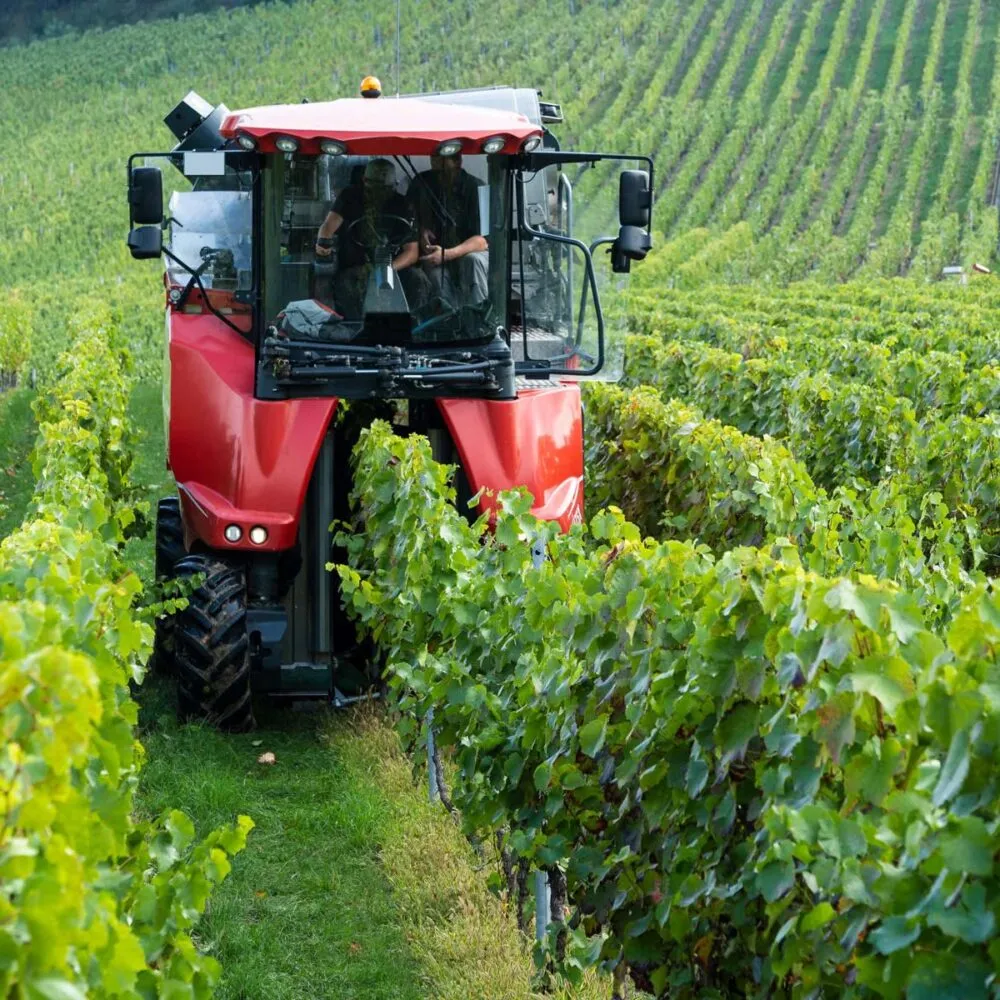
Mechanical harvesters and pruners need the fruiting zone within a specific height range. In addition, the canopy must not grow beyond what the machine can handle. So, check your machinery specifications before you fix the wire heights. The distance between rows matters too, as our article on vineyard row spacing explains.
Cold air settles close to the ground on frosty nights. As a result, a higher fruiting wire can reduce late frost damage to the buds. In hot climates, on the other hand, a lower fruiting zone benefits from the heat that the soil reflects. Our guide to trellis systems for cold climates covers this in detail.
Canopy height and row width work together. As a rule of thumb, the canopy should not be taller than the distance between rows. Otherwise, each row shades the next one for part of the day.
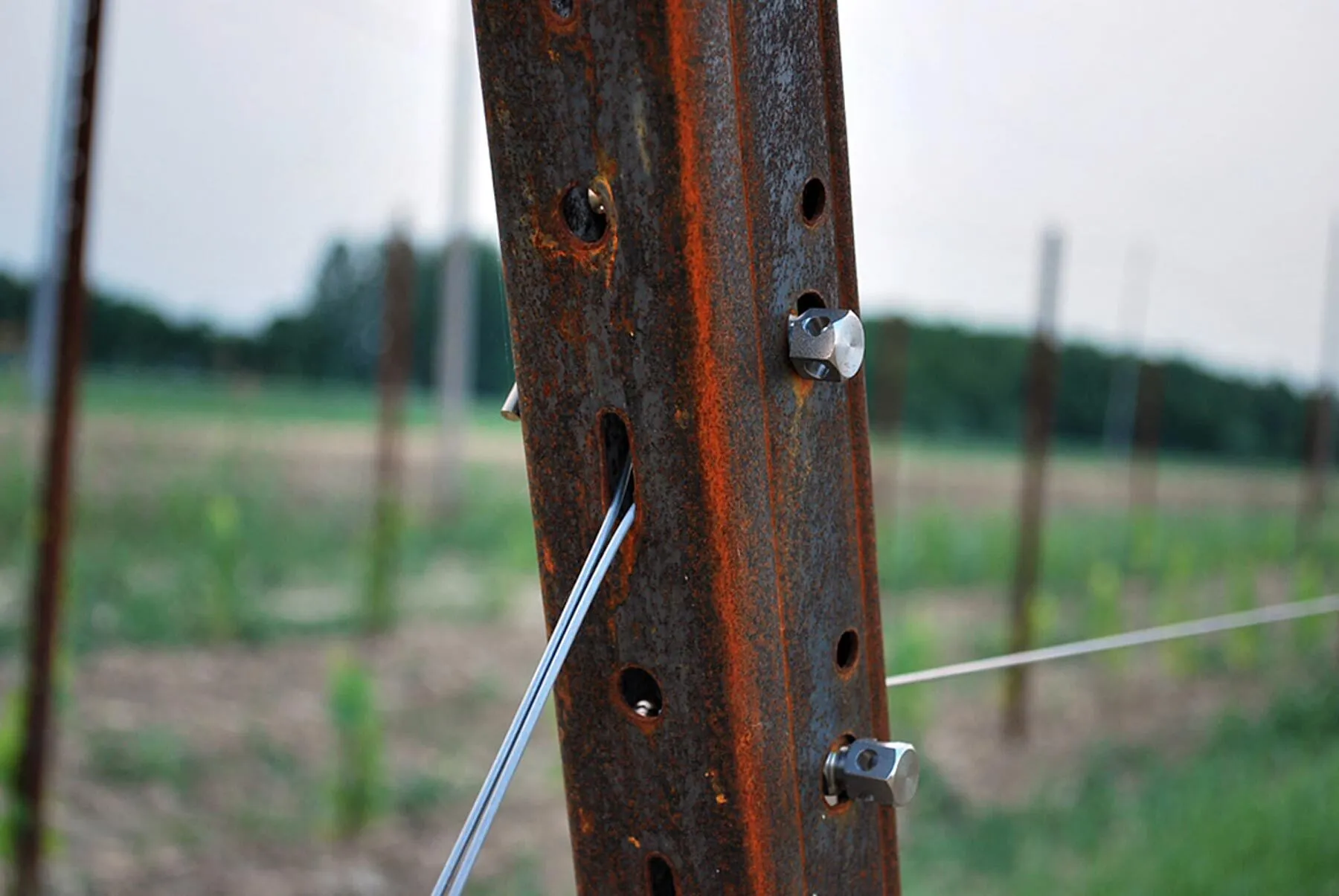
The table below sums up typical heights for the main training systems. Use it as a starting point, then adapt it to your site.
| Training system | Fruiting or cordon wire | Wires above | Post height above ground |
|---|---|---|---|
| Guyot / VSP | 60–100 cm (24–40 in) | Top wire at 1.5–1.8 m (5–6 ft) | 1.8–2 m (6–6.5 ft) |
| Spur-pruned cordon | 70–120 cm (28–47 in) | 2–3 wires, about 40 cm (16 in) apart | About 2 m (6.5 ft) |
| Sylvoz | 1.5–1.8 m (5–6 ft) | 3 wires, 30–40 cm (12–16 in) apart | 2–2.5 m (6.5–8 ft) |
| High cordon / single high wire | 1.5–1.8 m (5–6 ft) | None: shoots hang down | 1.8–2 m (6–6.5 ft) |
| Pergola | Canopy at 1.8–2.2 m (6–7 ft) | Wires 30–40 cm apart on the sloping frame | 1.9–2.2 m (6.2–7.2 ft) |
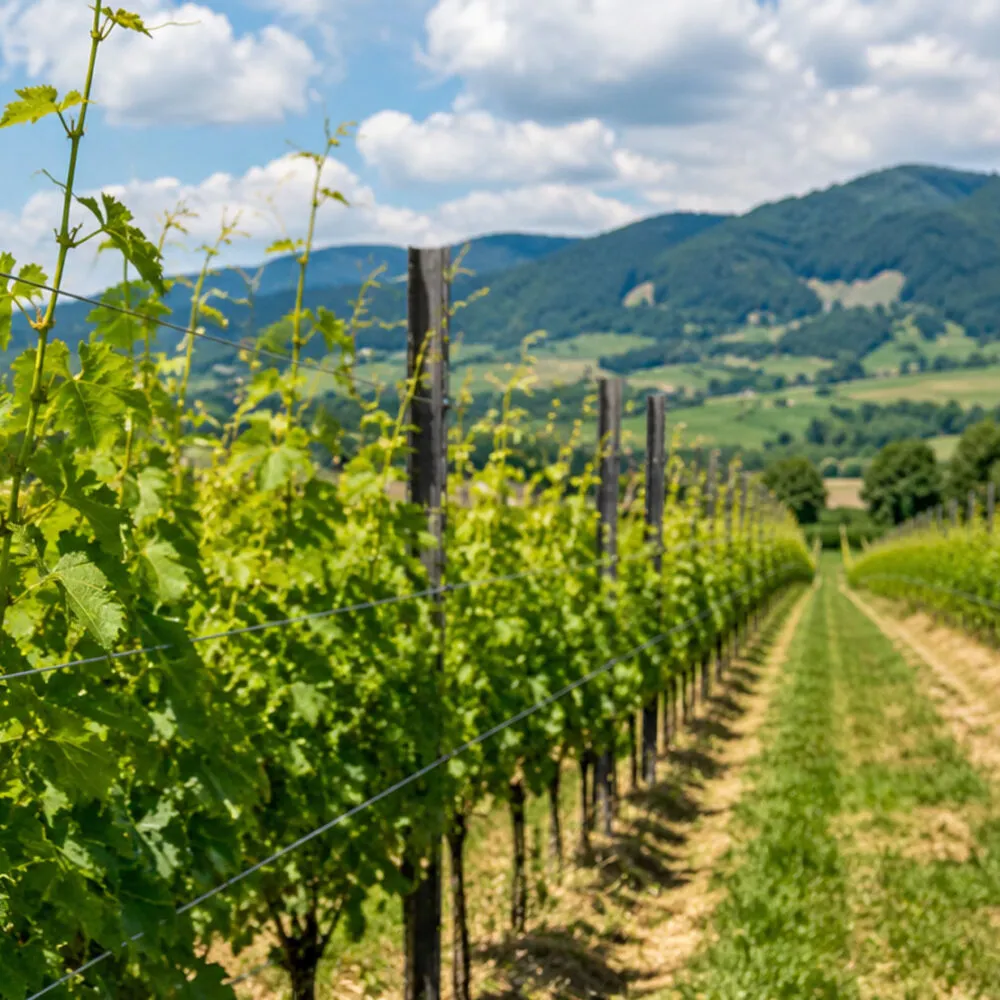
Guyot is the most common system in European vineyards. Usually, it grows on a VSP trellis. The fruiting wire carries the cane, while pairs of foliage wires keep the shoots upright. On fertile soils, raise the fruiting wire towards 80–100 cm. On poor soils, instead, 60–80 cm is often enough.
In a spur-pruned cordon, the permanent arm runs along the cordon wire. In less fertile soils, this wire sits at 70–100 cm. In fertile soils, it rises to 80–120 cm. Above it, two or three foliage wires hold the canopy. For a comparison of the two systems, read Guyot vs cordon.
Sylvoz suits vigorous vines in cool, humid areas. Its horizontal cordon sits high, at 1.5–1.8 m. The canes then bend down and tie to a lower wire, between 0.6 and 1.2 m. Because of this height, Sylvoz needs taller posts: 2 to 2.5 m above ground.
This system is common in the eastern United States for Concord, Muscadine and many hybrid varieties. The cordon runs along a single wire at 1.5–1.8 m (5–6 ft). The shoots then hang down freely, with no foliage wires above. As a result, the structure is simple, but the high wire carries the whole crop.
In a pergola, the canopy forms a sloping or flat roof above the vines. Posts typically stand 1.9–2.2 m above ground. On flat land the trunk reaches 1–1.5 m, while on slopes 0.5–0.7 m is enough.
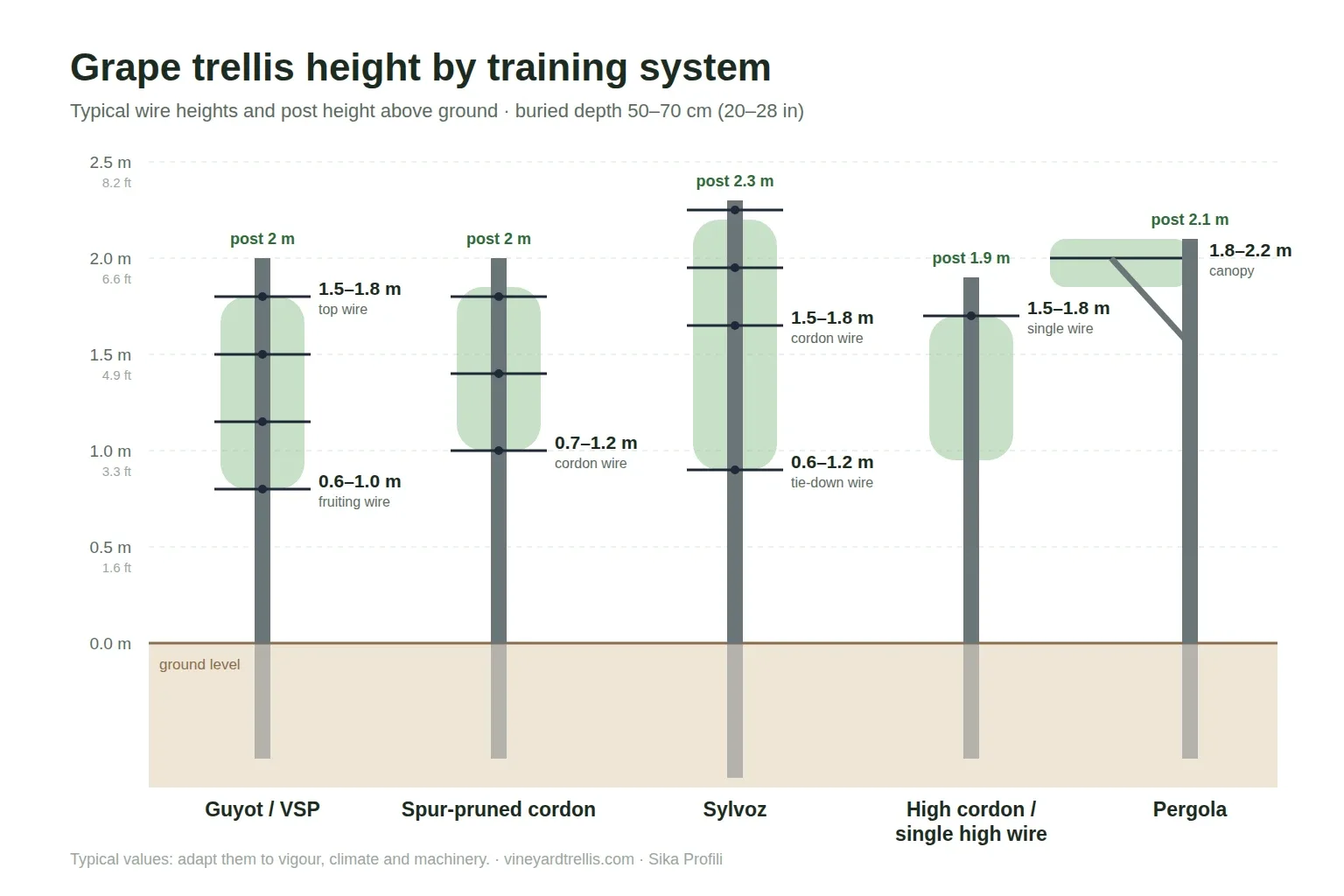
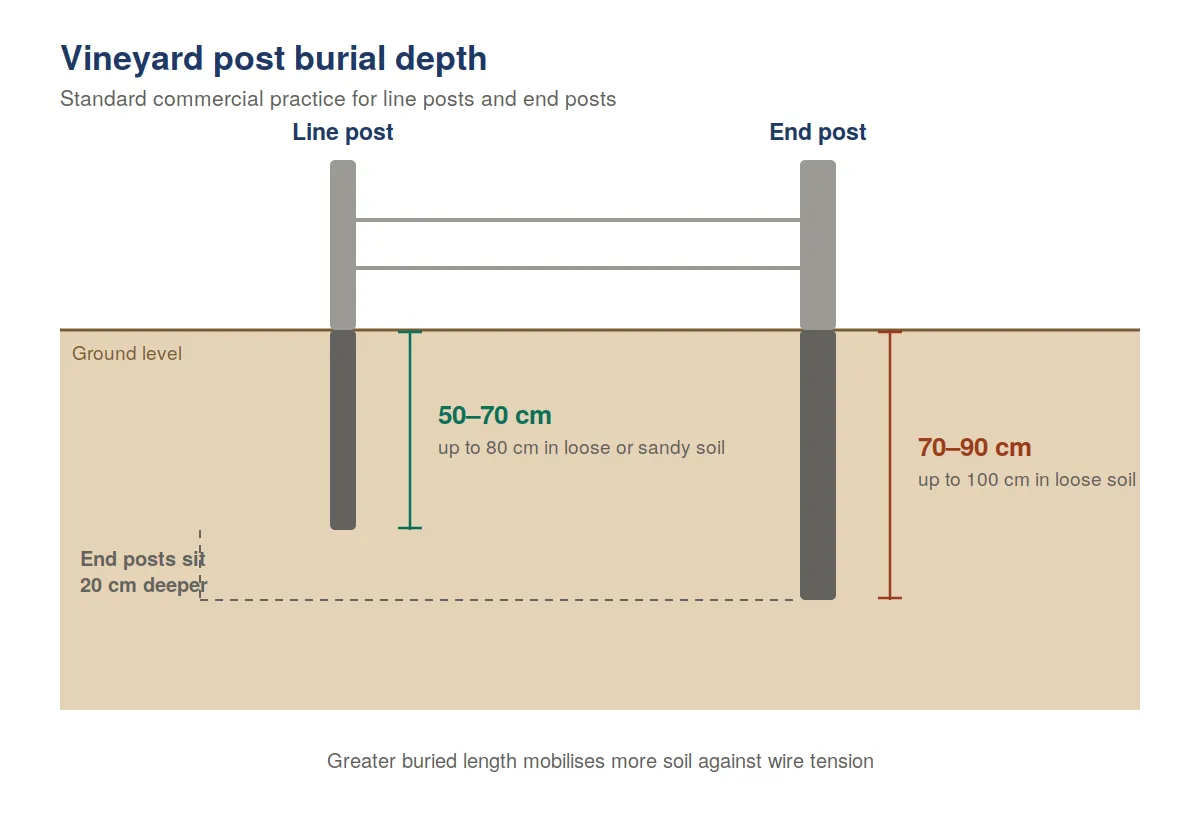
Trellis height is only the part above ground. The post, however, also needs a buried section to stay stable. Therefore, the total post length is the sum of the two.
Here are two quick examples. A Guyot trellis with posts at 1.9 m above ground and 0.6 m buried needs 2.5 m posts. A Sylvoz trellis at 2.3 m, with 0.7 m buried, needs 3 m posts.
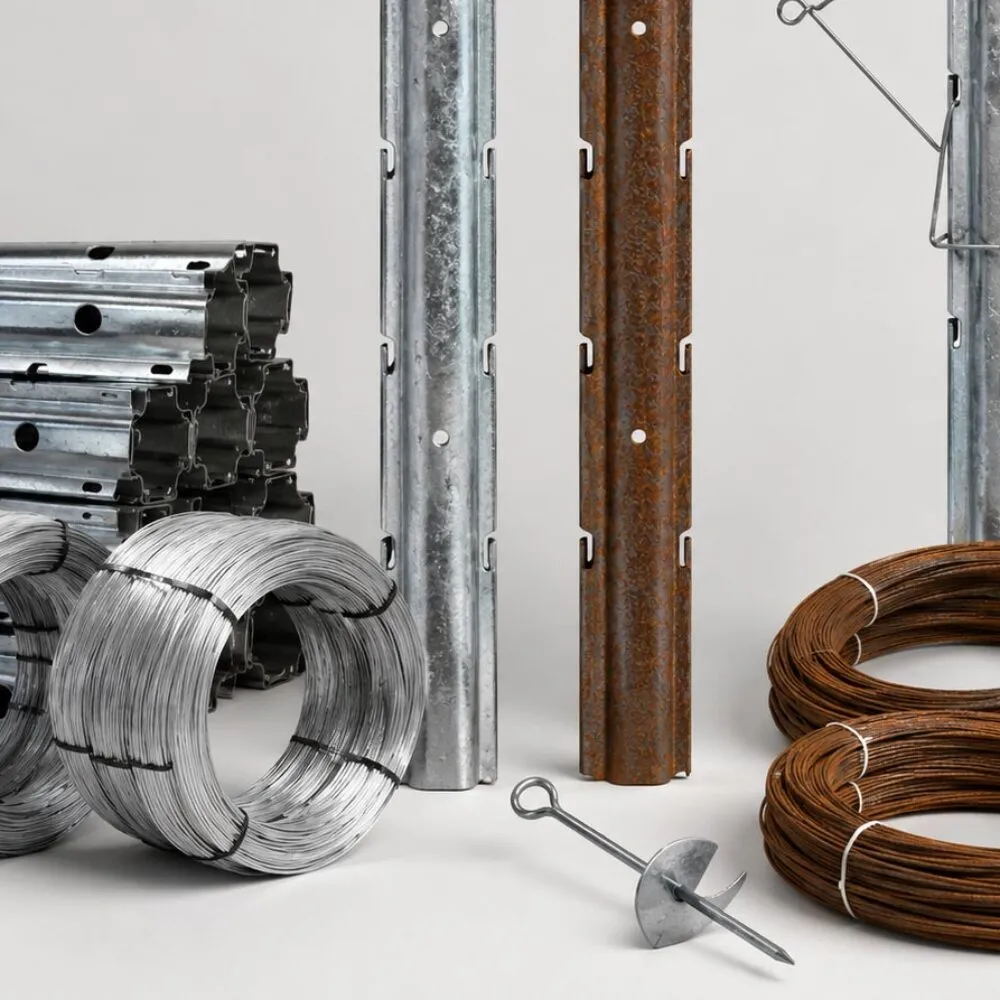
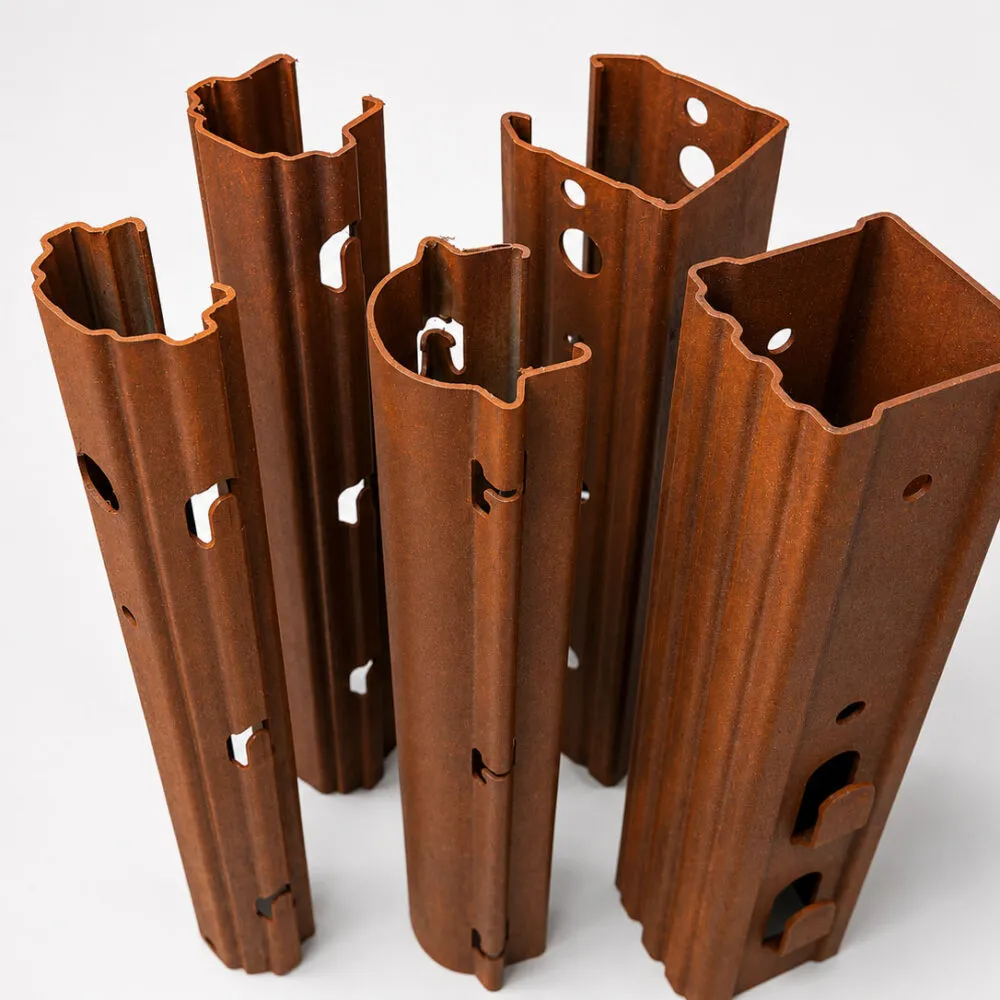
Height also affects the post section. A taller post catches more wind and works as a longer lever. For this reason, taller trellises often need a stronger profile. Sika line posts come in Small, Medium and Big sections. End posts, instead, come in Mini Strong and Strong.
Once you know the overall height, you can place the wires. A typical VSP trellis has three levels:
For the right gauge and the exact spacing of each wire, read our guide to grape trellis wire gauge and spacing. In addition, wire hooks let you raise the foliage wires as the canopy grows.
Sika Profili has made steel vineyard posts in Italy for over 25 years. Today, we deliver more than 400,000 posts a year to over 40 countries. Our posts come in galvanised and corten steel, certified to EN 10204 type 3.1. In addition, we supply all the vineyard supplies you need to complete the trellis.
Tell us your training system and row layout. We will suggest the right post length and section, and send you a quote within 24 hours.


In most commercial vineyards, the top wire sits about 1.5 to 1.8 m (5 to 6 ft) above the ground. The posts, in turn, stand about 1.8 to 2 m (6 to 6.5 ft) above ground. However, Sylvoz and pergola systems need taller posts, up to 2.2–2.5 m. The right height depends on your training system, vine vigour and machinery.
In commercial vineyards, the fruiting wire rarely sits below 50–60 cm (20–24 in). Lower than that, weeds, soil splash and frost become a problem. Likewise, the top wire rarely goes below 1.5 m (5 ft), otherwise the canopy has no room to grow.
Concord, Muscadine and many hybrids usually grow on a single high wire. This wire sits at 1.5–1.8 m (5–6 ft) above the ground. The shoots then hang down freely, so the trellis needs no foliage wires above the cordon. As a result, posts of about 1.8–2 m above ground are enough.
On a VSP trellis, the canopy is usually 30–50 cm (12–20 in) thick, and the foliage wires follow that width. The space between rows matters more. As a rule of thumb, canopy height should not exceed row width, otherwise rows shade each other. For more detail, read our guide to vineyard row spacing.
Contact us for information or an up-to-date quote on our steel vineyard posts. We reply within 24 hours.
Fill out the form to receive the catalog and get a free, no-obligation quote within 24 hours.



Stay in touch with SIKA to keep up with news, offers and valuable advice from our experts!
We use Mailchimp as our marketing platform. By signing up, you agree that your information will be transferred to Mailchimp for processing. Learn more about Mailchimp’s privacy policy.