


Read also



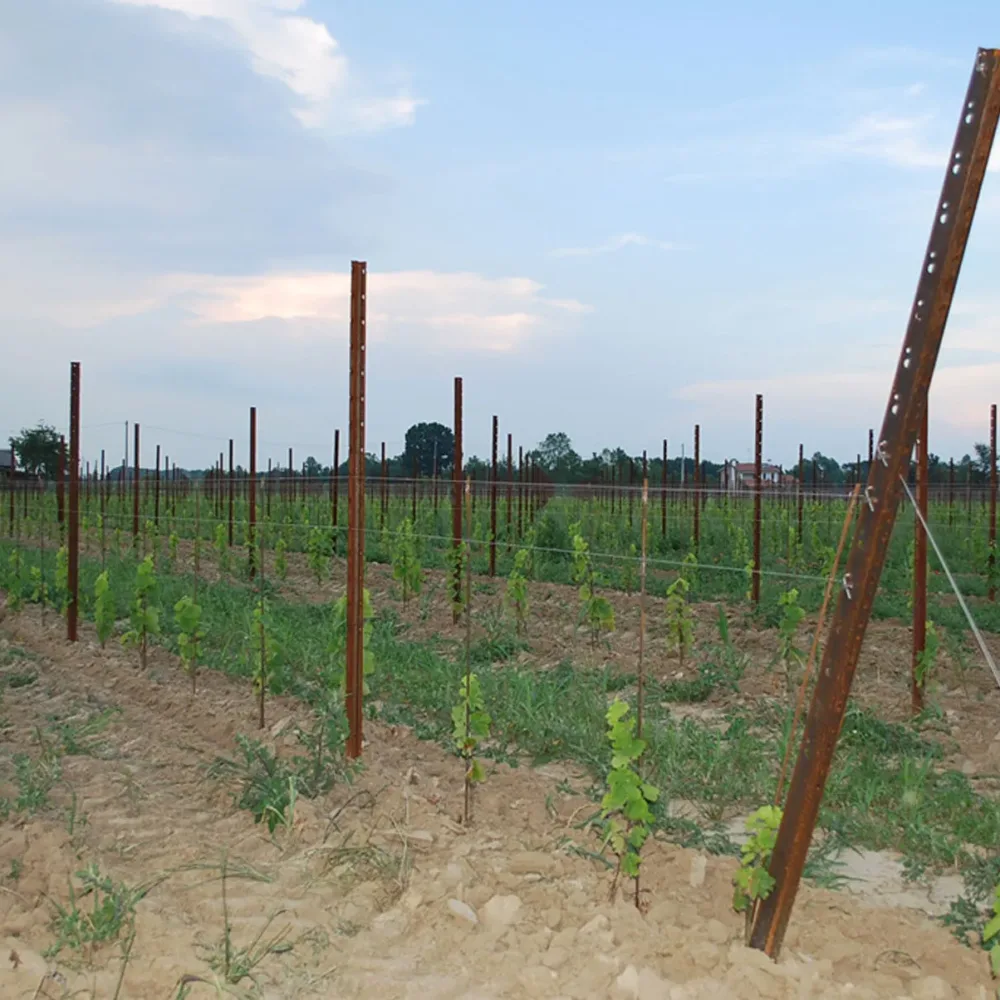
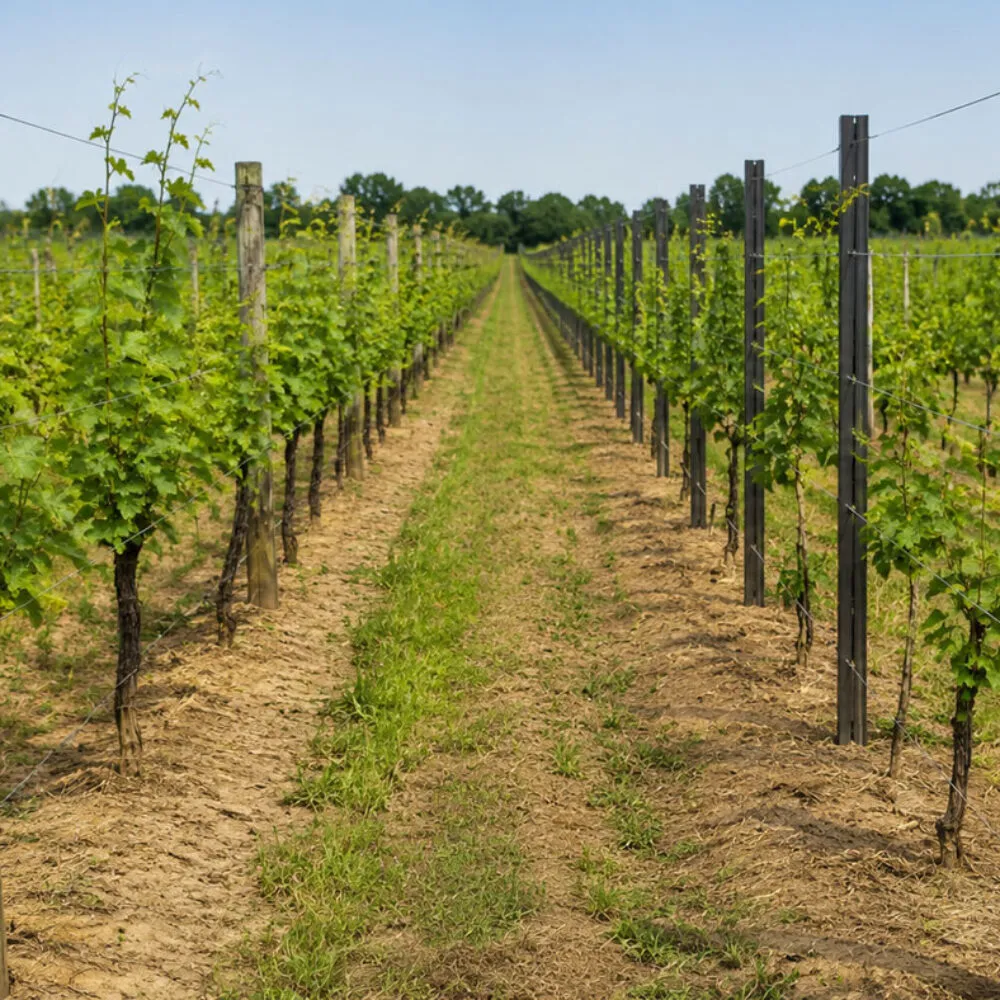




Vineyard row spacing represents one of the most consequential decisions in vineyard establishment. The distance between vine rows directly impacts mechanization potential, operational efficiency, and long-term profitability. Wide row spacing enables equipment access that dramatically reduces labor costs. Modern viticulture increasingly demands mechanical solutions for pruning, spraying, and harvesting operations. Understanding how vineyard row spacing affects every aspect of production helps vineyard owners optimize their infrastructure investment.
Vineyard row spacing creates a fundamental tension between vine density and operational efficiency. Narrower rows increase vines per hectare but limit equipment access. Wider rows reduce vine count but enable mechanization that improves overall productivity.
Traditional European vineyards often use tight spacing of 1.5 to 2.0 meters between rows. This high-density approach maximizes land utilization for premium wine production. However, it restricts operations to manual labor or specialized narrow equipment.
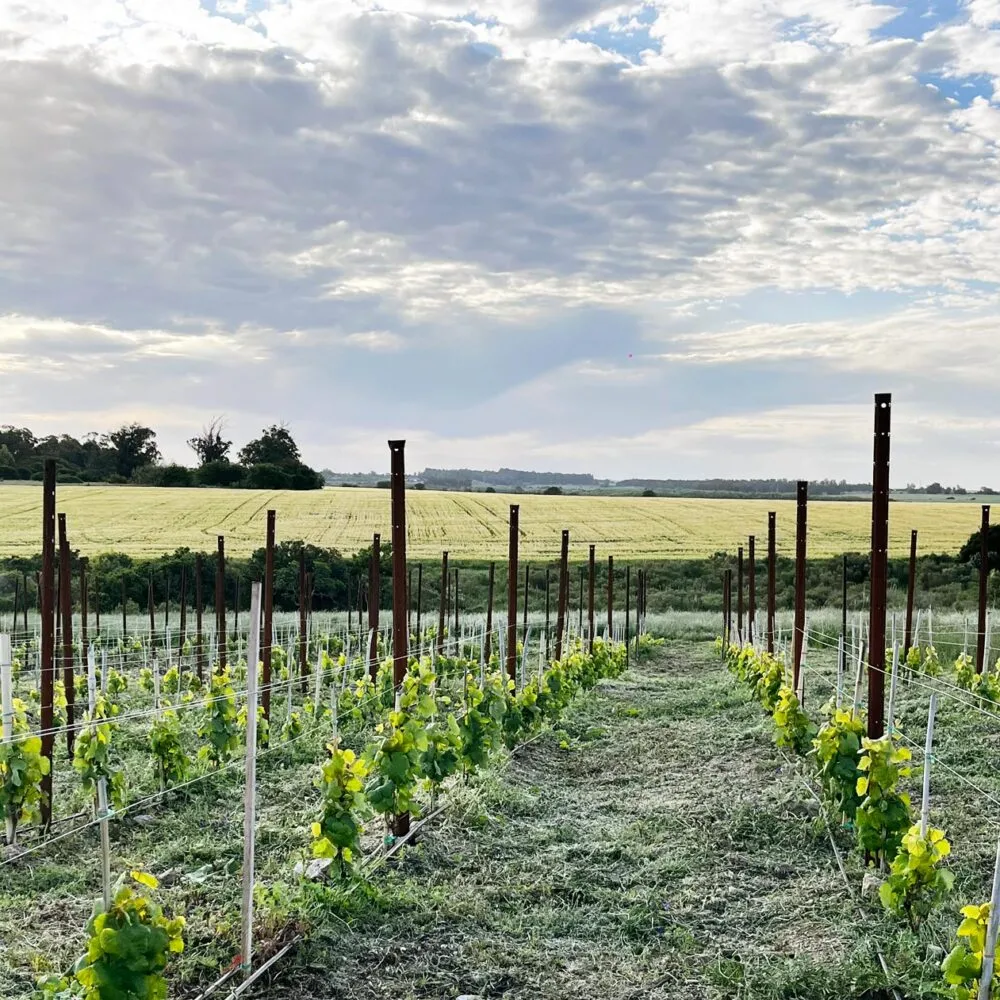
Modern commercial vineyards increasingly adopt wider vineyard row spacing of 2.5 to 3.5 meters. This configuration accommodates standard tractors and mechanical harvesters. The apparent reduction in vine density is offset by improved canopy management and reduced labor costs.
Grape quality responds positively to appropriate row spacing. Wider rows improve air circulation between vine canopies. This reduces humidity and disease pressure in the fruit zone. Better airflow accelerates drying after rain, limiting fungal infection opportunities.
Sun exposure also benefits from optimized vineyard row spacing. Wider rows prevent excessive shading between adjacent canopies. Morning and afternoon sunlight reaches fruit zones more effectively. This promotes even ripening and optimal sugar accumulation.
Vigorous training systems like Sylvoz and Casarsa specifically require expanded row spacing. The Sylvoz system performs best with 3 to 4 meters between rows. Casarsa installations typically use 6 to 8 meters to accommodate their expansive canopy architecture. These systems balance high yields with quality through strategic space utilization.

Mechanical harvesting demands specific vineyard row spacing parameters. Standard grape harvesters require minimum clearance for safe operation. Planning for mechanization from initial vineyard establishment avoids costly retrofitting.
Most mechanical harvesters need row spacing of 2.5 meters minimum. This allows the machine to straddle vine rows without damaging posts or canopy. Wider spacing of 3.0 to 3.5 meters provides additional clearance for operator comfort and reduced crop damage.
End-row turnaround space requires careful consideration. Mechanical harvesters need adequate room to exit rows and reposition. Plan for headland areas of 6 to 8 meters at row terminals. This prevents soil compaction from repeated tight turns.
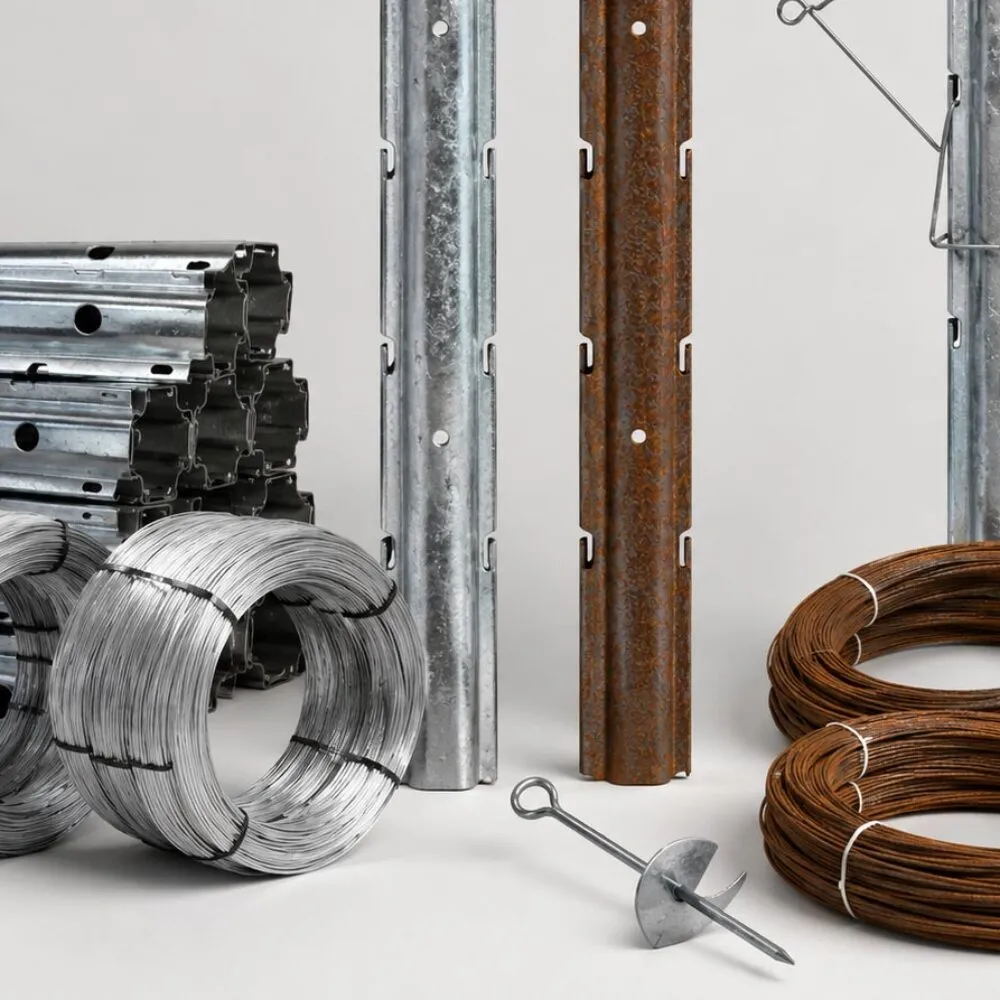
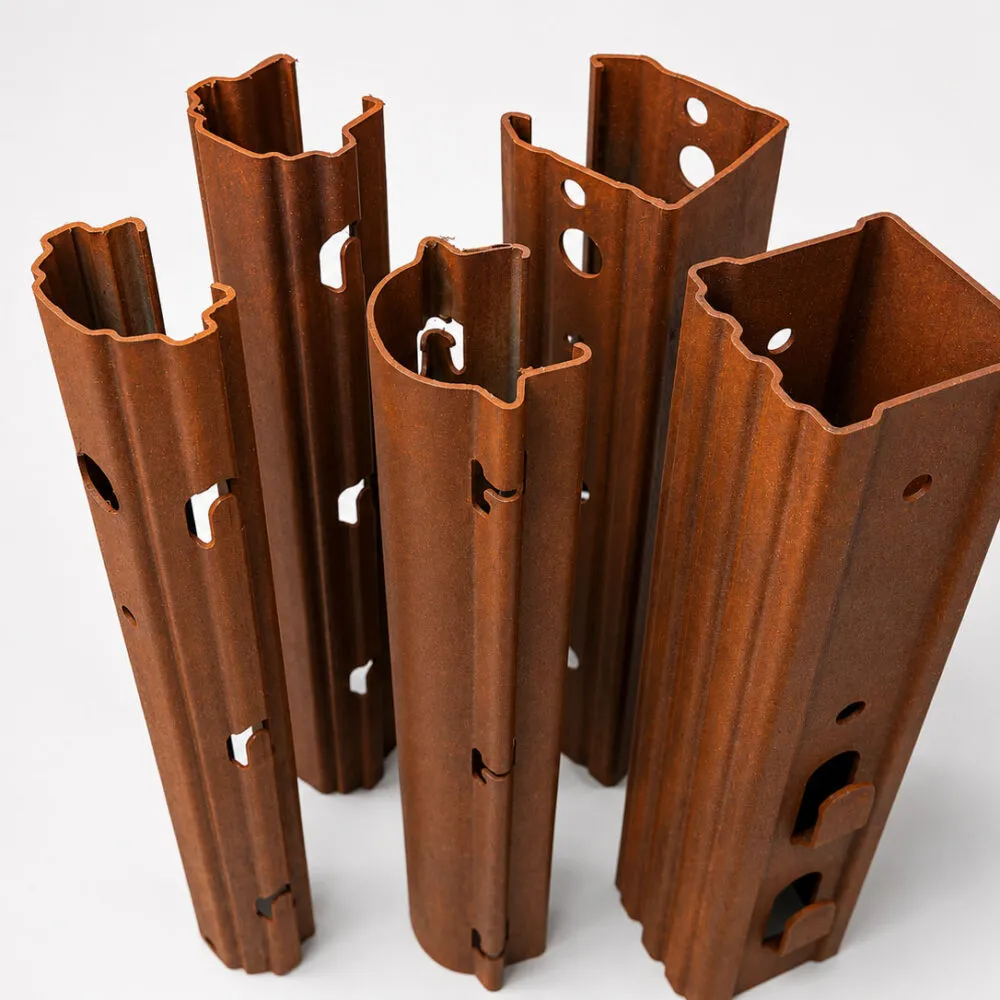
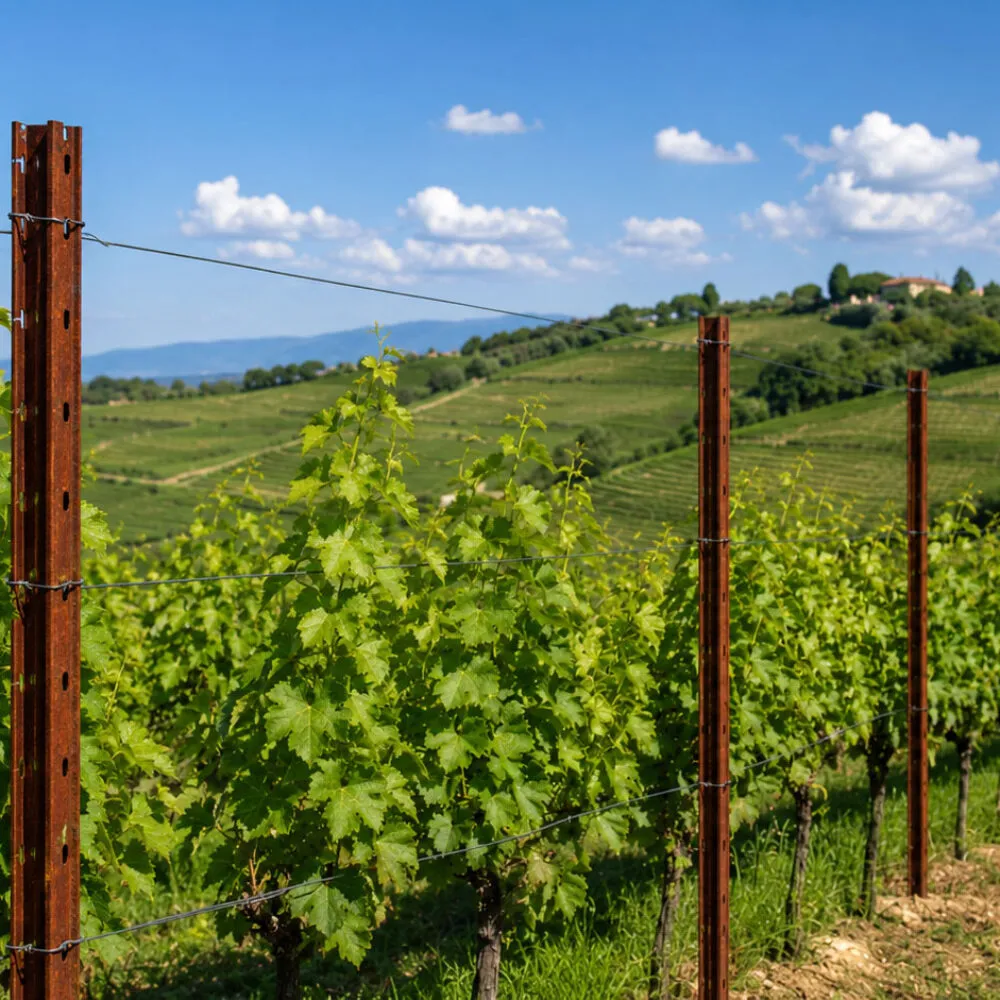
Post selection directly impacts mechanical harvesting compatibility. Vineyard posts must withstand occasional contact from harvester components. Steel posts in galvanized or corten materials offer superior impact resistance compared to wood. Sika’s robust post designs tolerate the operational stresses of mechanized vineyards.
Wire height configuration also affects harvester operation. Position catching mechanisms to avoid wire contact during harvest passes. Consult harvester specifications when planning trellis wire heights. The Casarsa system’s design specifically facilitates mechanical harvesting compatibility.
Training system choice interacts with vineyard row spacing decisions. Cordon-trained systems suit mechanical operations better than cane-pruned alternatives. Permanent cordons provide consistent fruit positioning for harvester pickup heads. This uniformity improves harvest efficiency and reduces fruit damage.
Consider future equipment upgrades when establishing vineyard row spacing. Technology advances may introduce larger or different machinery. Building in extra clearance protects against premature infrastructure obsolescence.
Different training systems require specific vineyard row spacing for optimal performance. Match your spacing configuration to your chosen training method:
Implementing wider vineyard row spacing affects trellis infrastructure specifications. Posts, wires, and accessories must match the chosen configuration.
Wider rows may allow reduced post frequency within rows.
Standard 5-meter post spacing remains appropriate for most systems. However, some wide-row configurations extend to 6-meter intervals. Confirm structural requirements based on expected wire tension and crop loads.
End posts bear increased importance in wide-row mechanized vineyards. Equipment turning stresses affect row terminal stability. Robust end posts with proper anchoring prevent system damage. Sika’s “Strong” model at 68x56mm provides reliable terminal support for demanding applications.
Wire tension requirements remain consistent regardless of row spacing. However, wider rows may experience different wind load patterns. Open vineyard configurations face increased exposure between rows. Select appropriate wire gauge and tensioning systems accordingly.
Sika manufactures vineyard posts engineered for modern mechanized viticulture. Over 23 years of experience inform designs suited to wide-row commercial operations.
Galvanized steel posts withstand the operational demands of mechanical equipment. Hot-dip galvanization protects against corrosion from chemical sprays and weather exposure. Steel thickness of 1.8 to 2.0mm resists impact and deformation.
Corten steel posts offer exceptional durability for long-term installations. The natural protective patina develops without maintenance requirements. Many commercial operations appreciate corten’s aesthetic integration with vineyard landscapes.
Post dimensions suit every vineyard row spacing configuration. The “Big” model at 65x45mm supports heavy-duty Sylvoz and Casarsa installations. The “Medium” model at 51x41mm serves standard Cordon and Guyot systems. Complete accessory packages include wire tensioners, hooks, and anchoring systems.
Sika ships over 400,000 posts annually to more than 40 countries. Large-scale mechanized vineyard projects trust Sika infrastructure worldwide. ISO 9001, 14001, and 45001 certifications guarantee consistent quality for commercial installations.
Contact our technical team for vineyard row spacing recommendations tailored to your mechanization objectives and site conditions.

Fill out the form to receive the catalog and get a free, no-obligation quote within 24 hours.




Stay in touch with SIKA to keep up with news, offers and valuable advice from our experts!
We use Mailchimp as our marketing platform. By signing up, you agree that your information will be transferred to Mailchimp for processing. Learn more about Mailchimp’s privacy policy.