


Read also

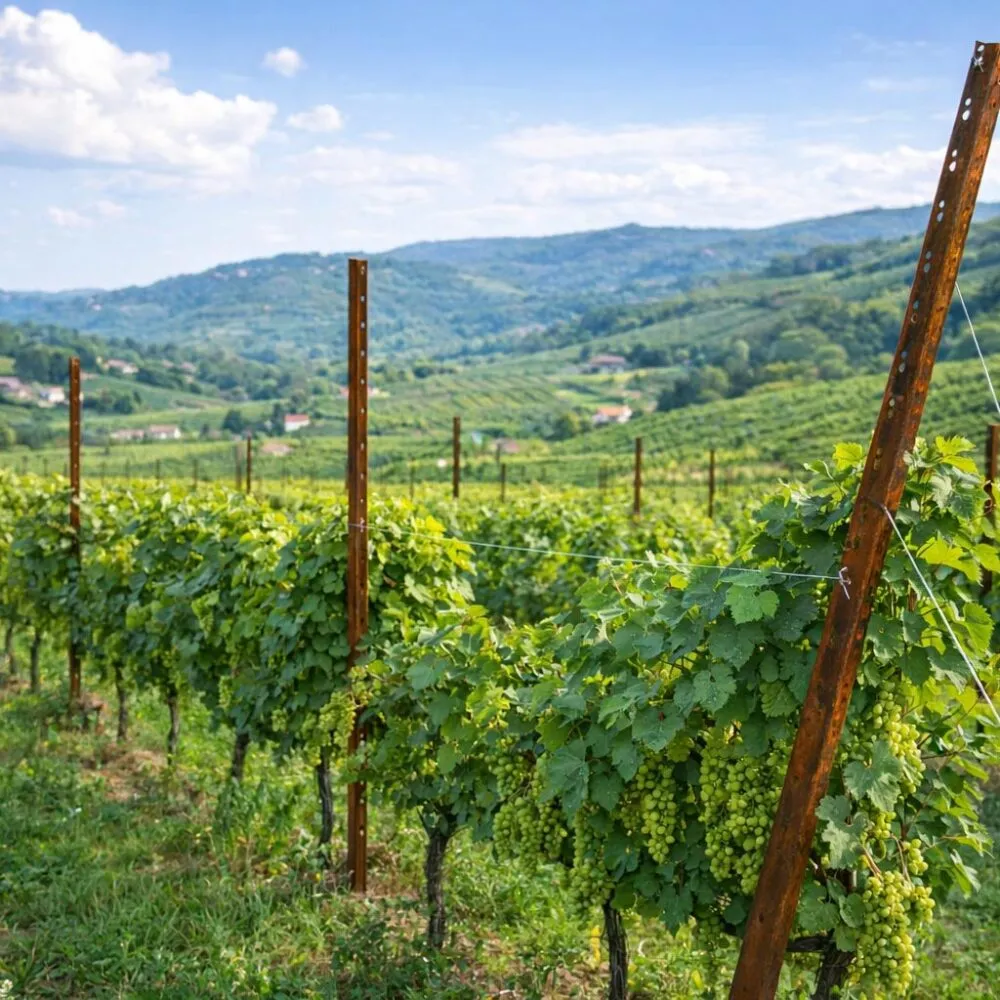

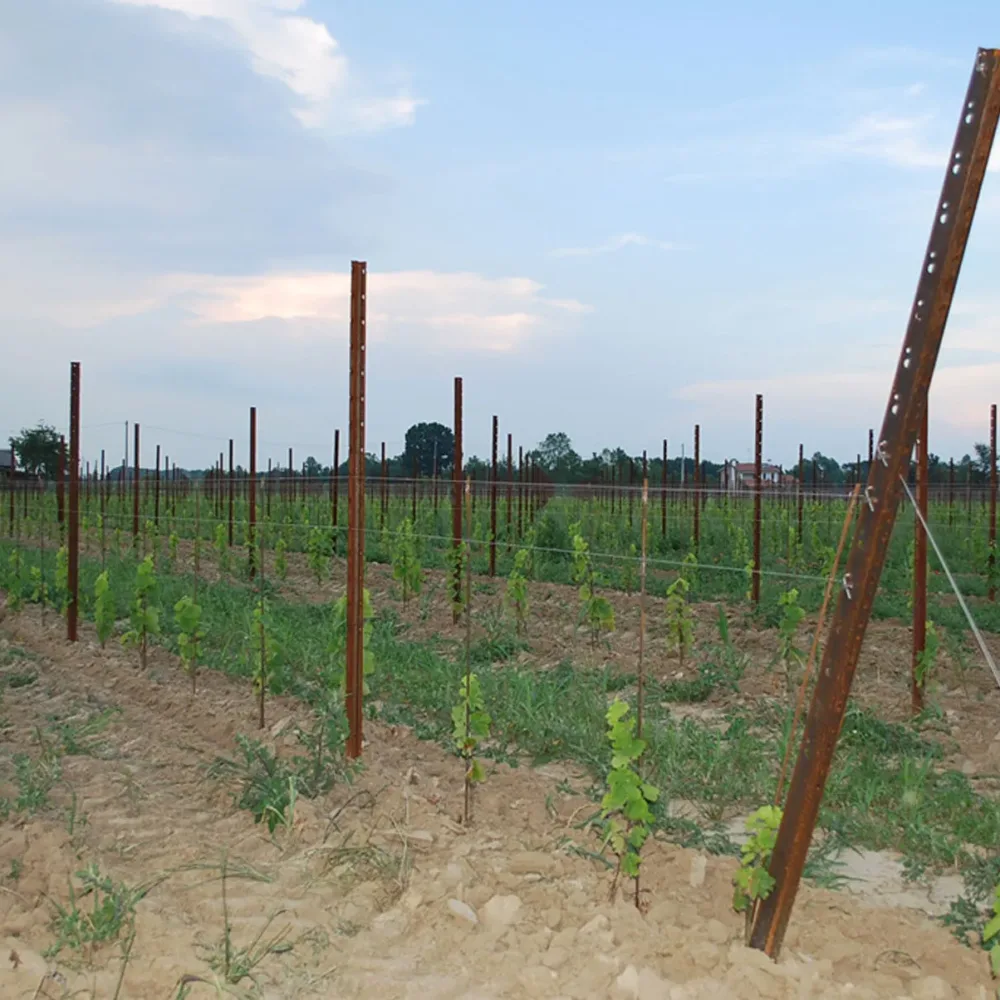
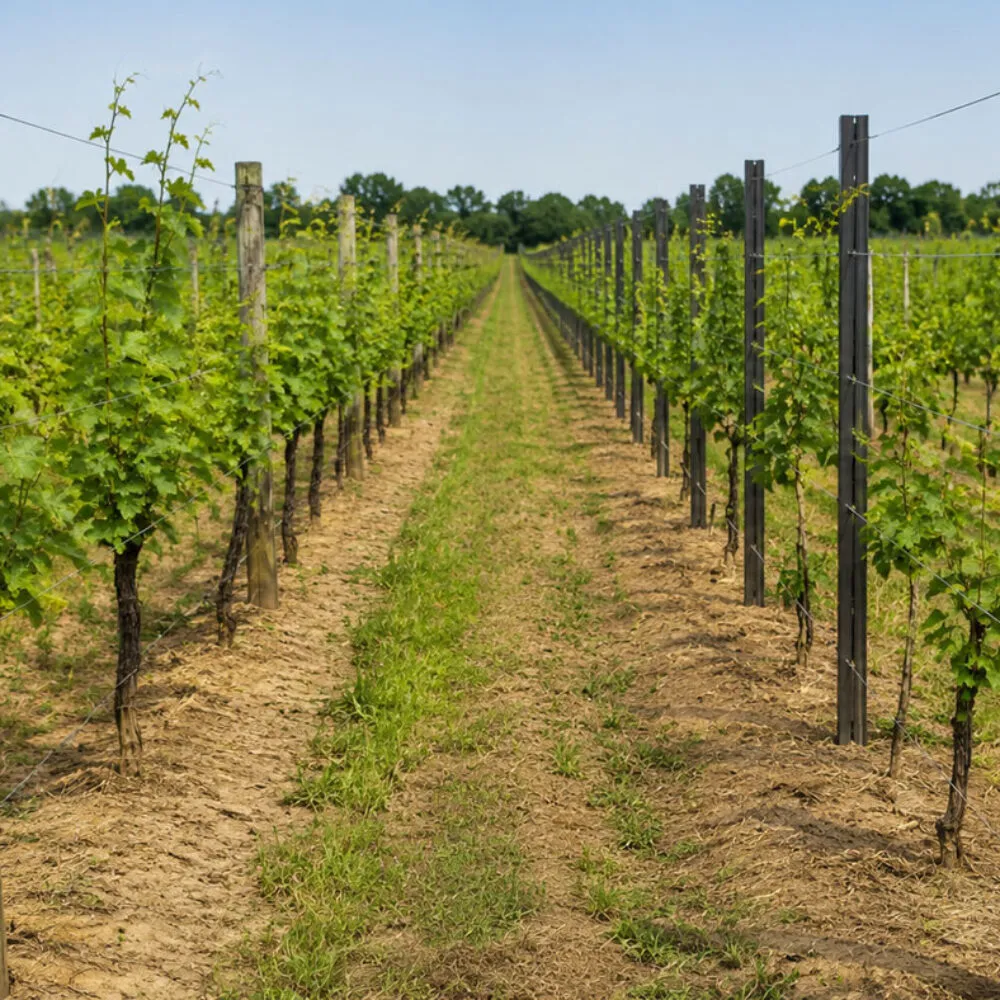
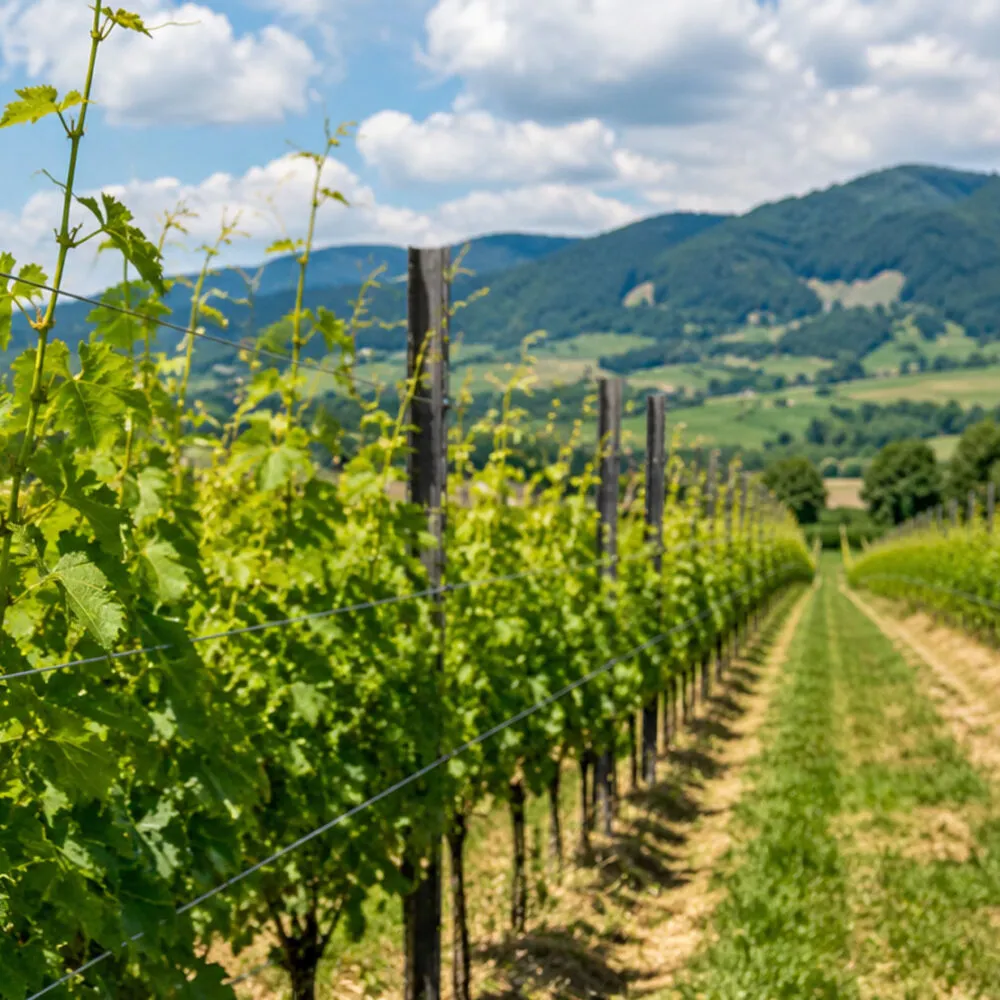


Material selection determines the long-term performance of your grape trellis system. The right materials ensure structural integrity for 30 to 40 years of continuous service. Poor material choices lead to premature failure, costly replacements, and operational disruptions. Modern vineyards require trellis structures that withstand wind loads, support heavy crop weights, and resist environmental degradation. Galvanized steel and corten steel have emerged as industry standards. These materials deliver superior durability compared to traditional alternatives. Wood posts, while historically common, present limitations in longevity and maintenance requirements. For wineries and agricultural operations investing in vineyard infrastructure, understanding material properties is essential.
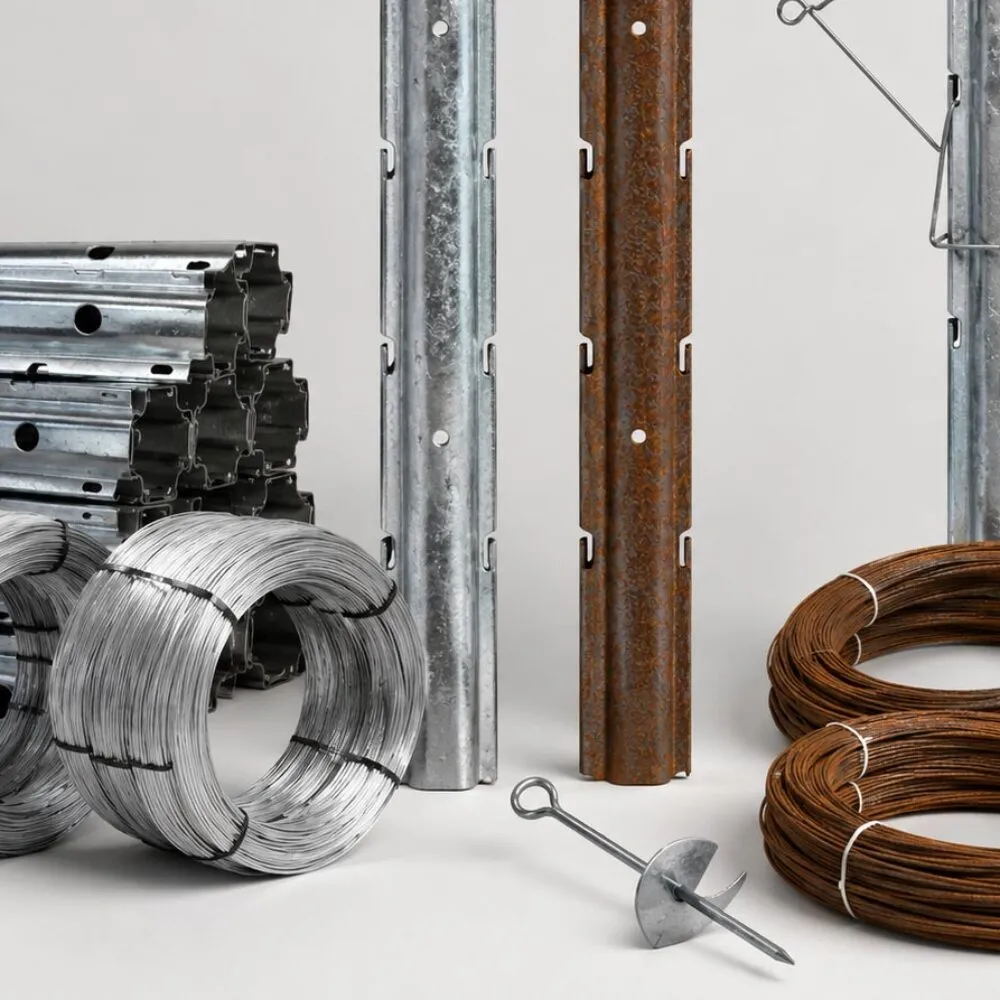
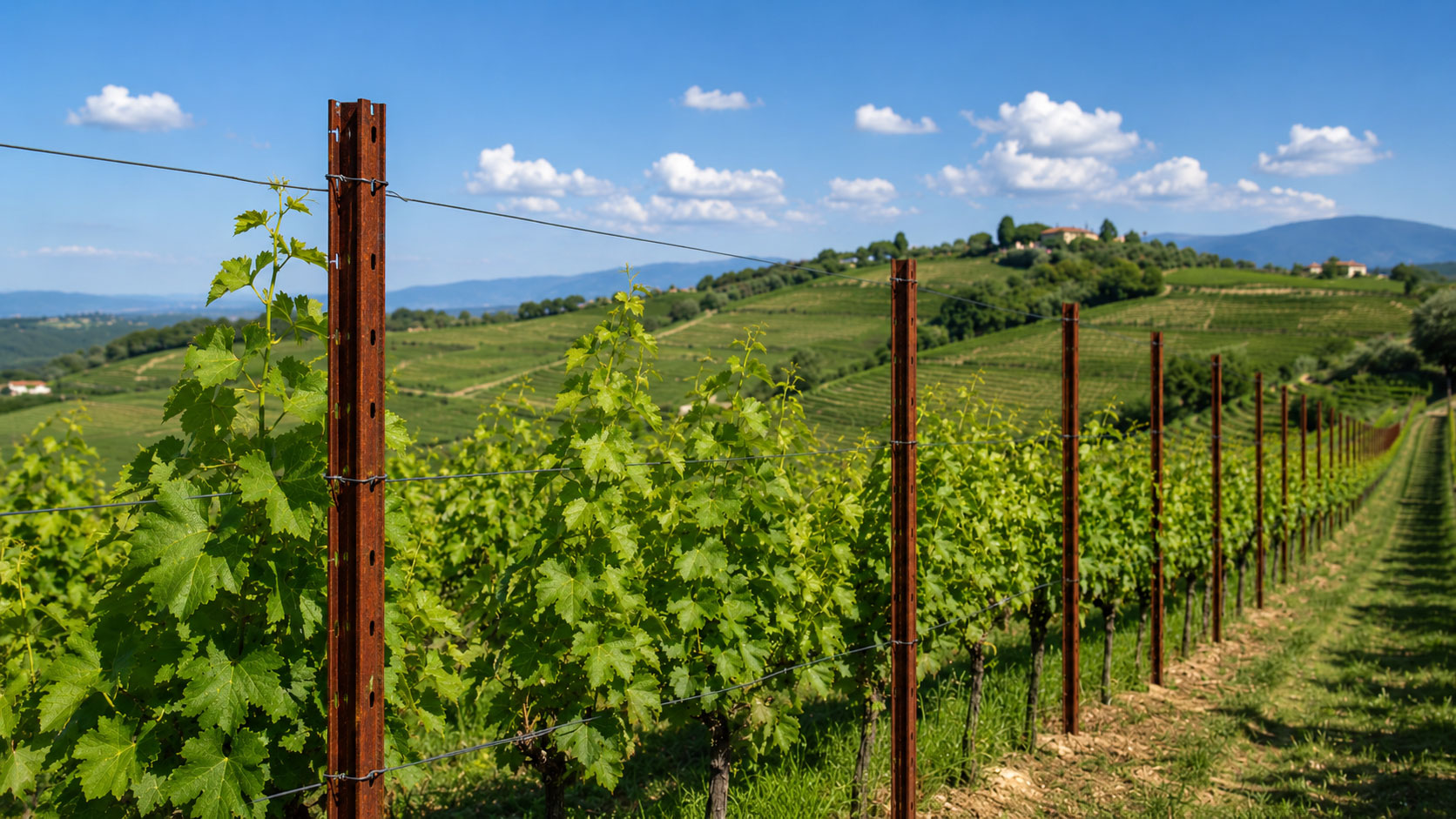
Galvanized steel posts represent the preferred choice for professional vineyard operations worldwide. Hot-dip galvanization creates a protective zinc coating that resists corrosion. This coating withstands moisture, fertilizers, and harsh environmental conditions. Steel thickness of 1.8 to 2.0 mm provides exceptional mechanical strength. These posts resist bending and twisting forces from wire tension and wind loads. The galvanization process occurs after post manufacturing. This ensures complete coverage including punched holes and cut edges. Pre-galvanized steel cannot match this comprehensive protection. Service life exceeds 40 years in typical vineyard environments. This eliminates replacement needs throughout the vineyard’s productive lifetime.
Galvanized posts maintain structural integrity through freeze-thaw cycles. Ice accumulation and snow loads do not compromise their performance. The material performs exceptionally well in humid climates and coastal regions. Salt air and high moisture conditions that destroy other materials pose no threat. Installation is straightforward using pneumatic post drivers. No pre-treatment or special handling is required. The posts integrate seamlessly with all training systems. Combined punching systems accommodate multiple wire configurations. Galvanized steel delivers reliability that wooden posts cannot provide.
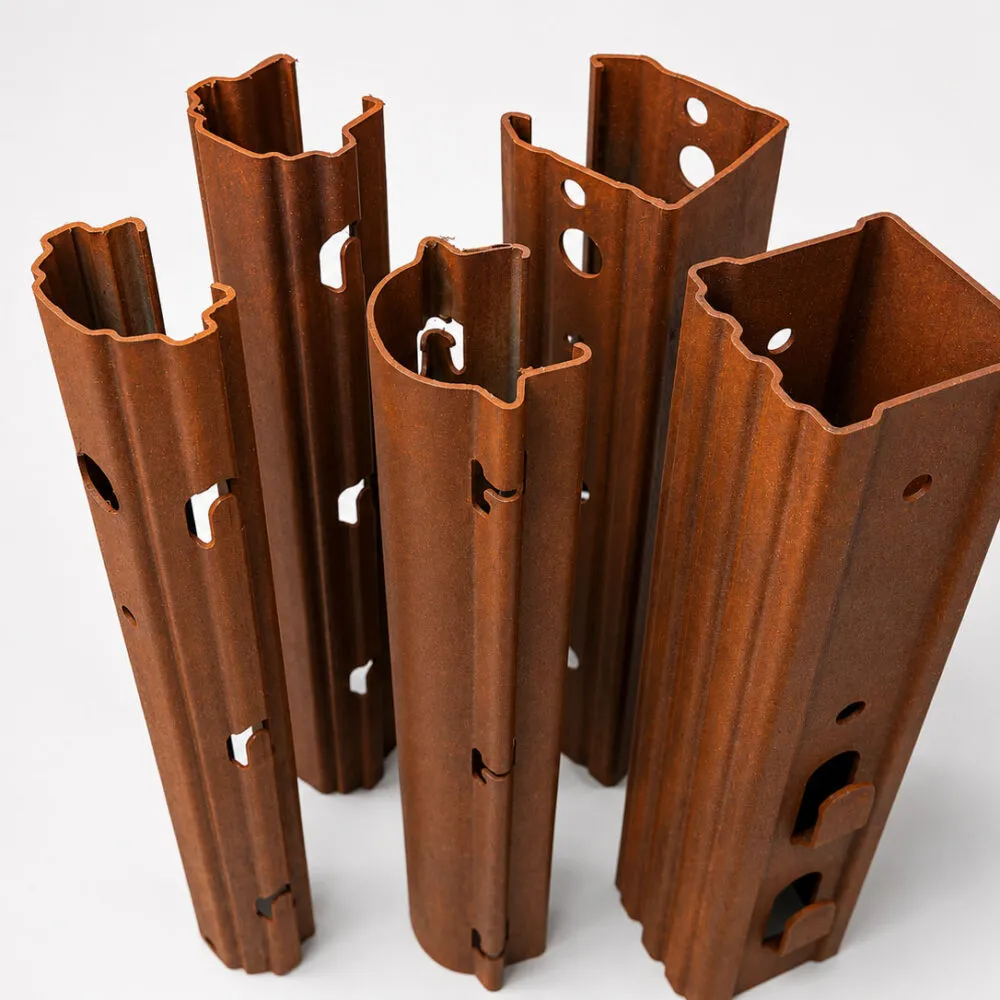
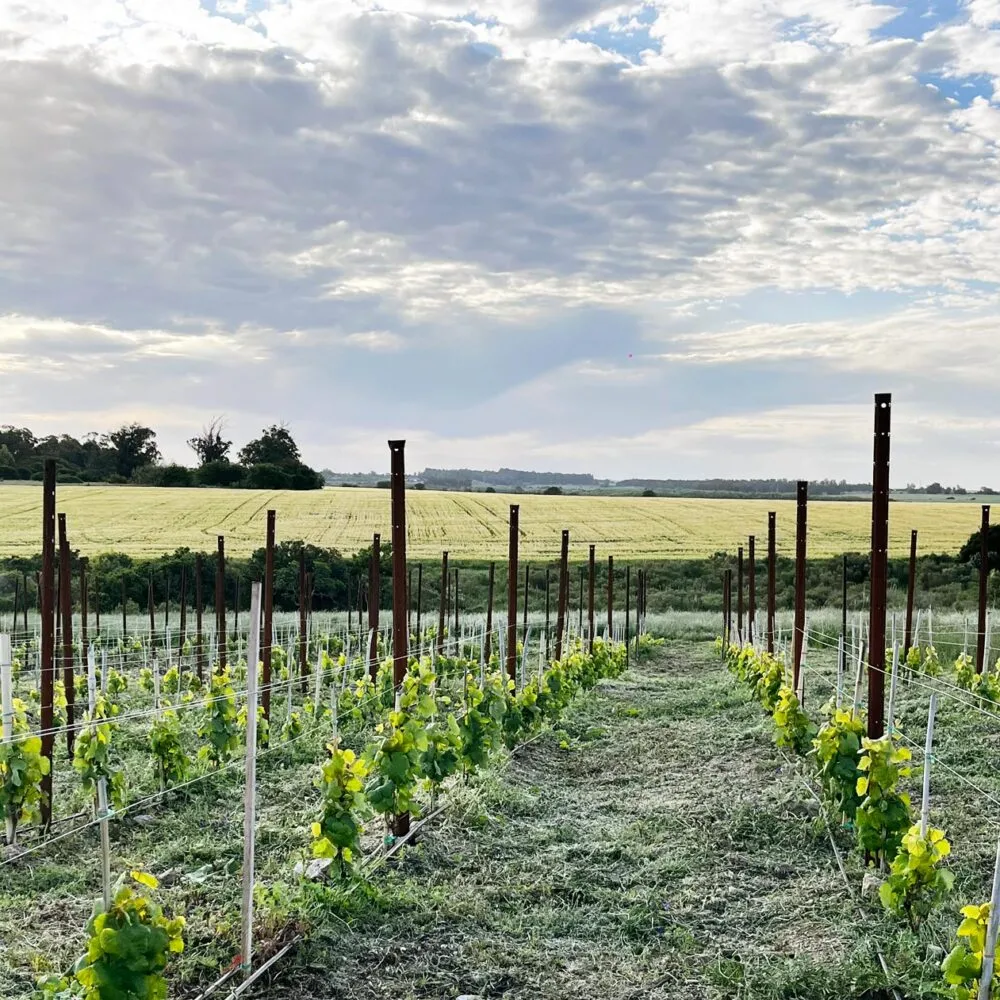
Corten steel offers a compelling alternative for vineyards prioritizing both performance and visual appeal. This weathering steel develops a stable protective patina naturally over time. The rust-colored finish blends harmoniously with the vineyard landscape. Unlike traditional rust, this patina actually prevents deeper corrosion. The protective layer enhances long-term durability rather than compromising it. Corten steel posts provide structural strength equivalent to galvanized alternatives. Sheet metal thickness of 1.8 to 2.0 mm ensures mechanical integrity. The material excels in humid conditions with frequent moisture exposure. Freeze-thaw cycles do not damage the protective patina. Many vineyard owners appreciate the natural aesthetic integration.
The posts age gracefully without the bright metallic appearance of galvanized steel. This makes them particularly suitable for wine tourism operations. Visitors appreciate the authentic, rustic appearance. Cost-effectiveness represents another significant advantage. Corten posts typically cost 20% less than traditional galvanized alternatives. This reduces initial investment without sacrificing performance. Maintenance requirements remain minimal throughout the service life. The patina develops within the first year of exposure. No additional treatments or coatings are necessary. Long-term performance matches or exceeds galvanized steel in most environments. Service life extends beyond 30 years with proper installation.
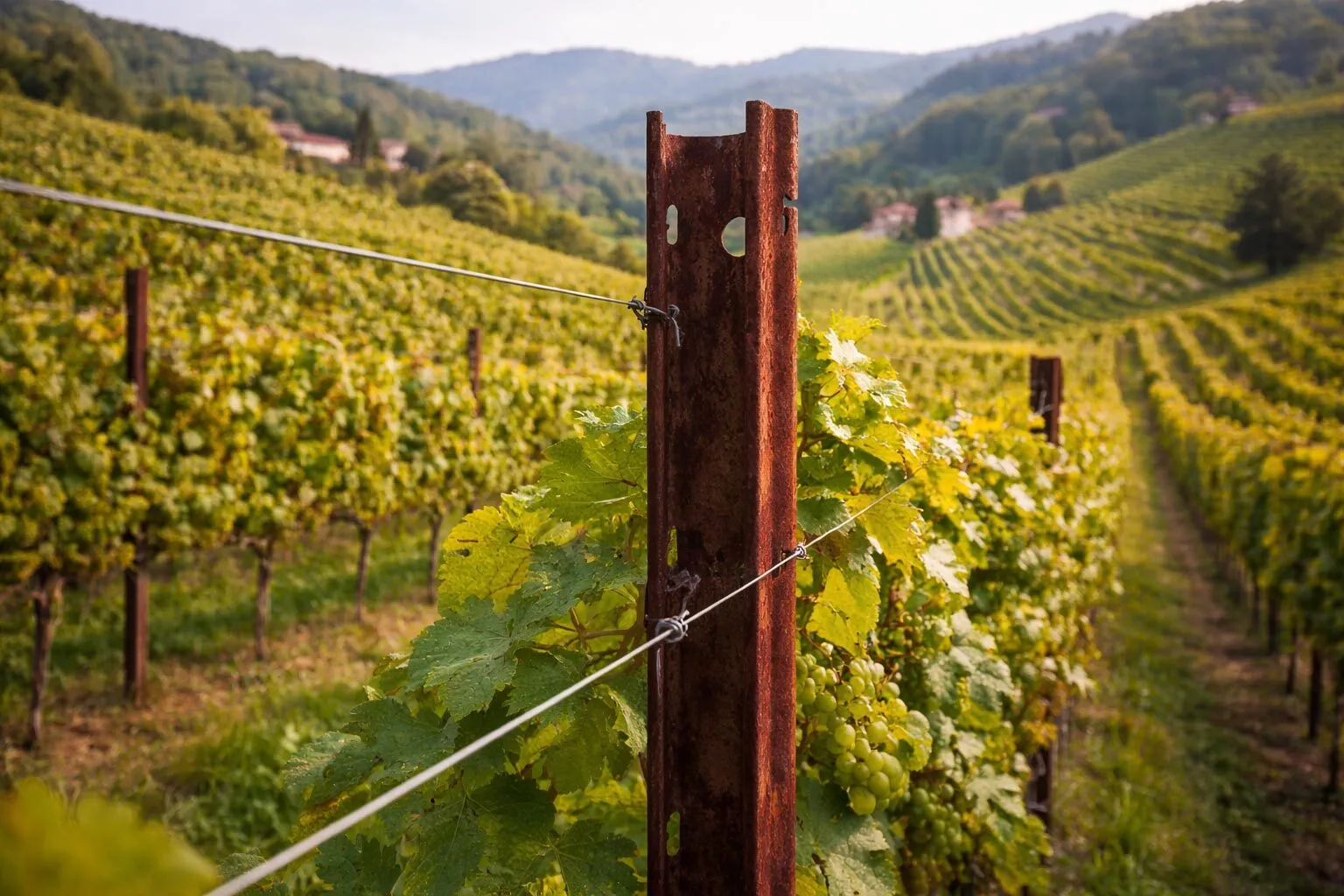
Wooden posts have served viticulture for centuries but present significant limitations. Even premium pressure-treated wood deteriorates faster than steel alternatives. Replacement cycles typically range from 10 to 15 years. In wet or humid conditions, deterioration accelerates further. Treatment chemicals provide only temporary protection against rot and insect damage. The most durable wood species for vineyard posts include treated Douglas fir, lodgepole pine, and pressure-treated southern yellow pine. These woods accept preservative treatment effectively. Copper-based treatments like ACQ (Alkaline Copper Quaternary) resist moisture and fungal attack better than older CCA formulations. However, environmental regulations increasingly restrict chemical preservatives.
This limits treatment options and reduces wood post longevity. Wood posts offer some advantages in specific applications. They provide traditional aesthetics that some vineyard owners prefer. Installation in rocky soils may be easier with augured holes. Cost appears lower initially compared to steel alternatives.
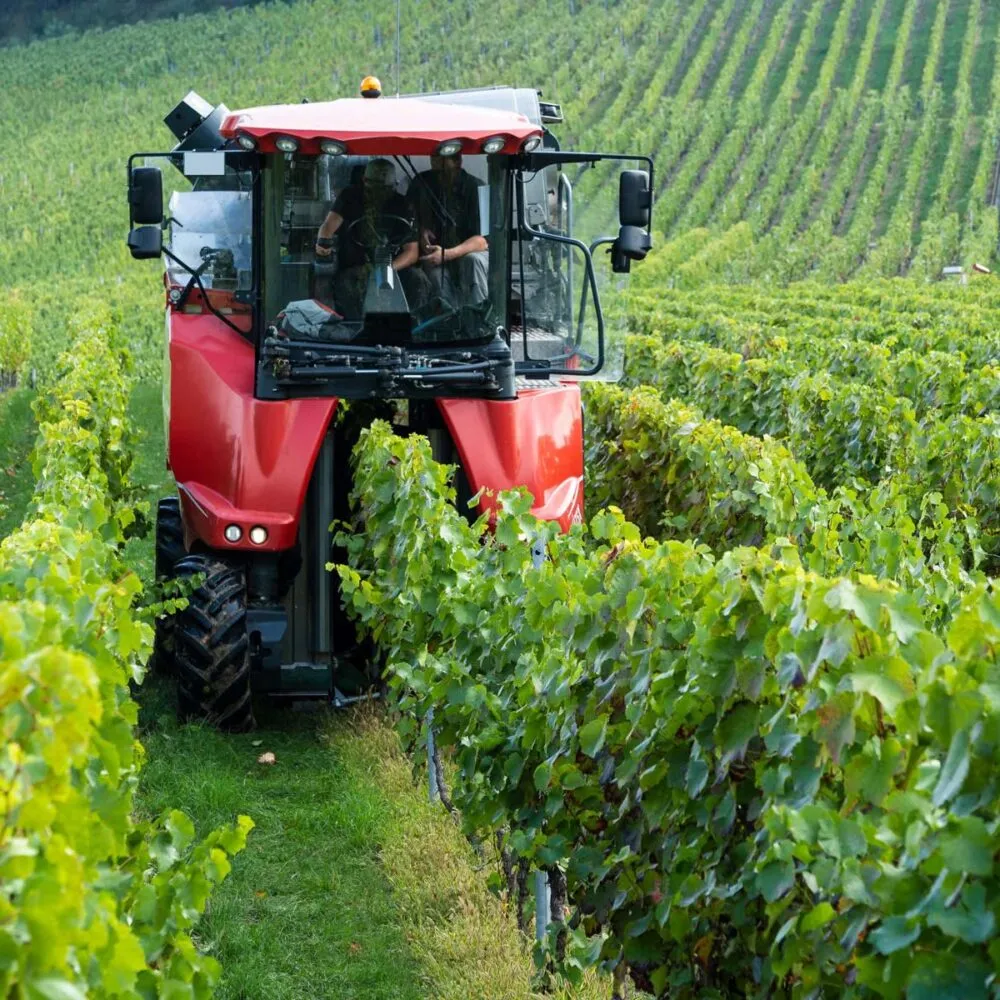
But this advantage disappears when factoring replacement cycles and labor costs. End posts and bracing positions represent the most suitable wood applications. Large-diameter posts (4.5 to 6 inches) provide adequate strength for terminal positions. Proper anchoring systems distribute loads effectively. For line posts along vineyard rows, wood presents significant disadvantages. Mechanical harvesting operations damage wood posts more easily. Equipment impact causes cracking and structural failure. Steel posts absorb these impacts without permanent damage.
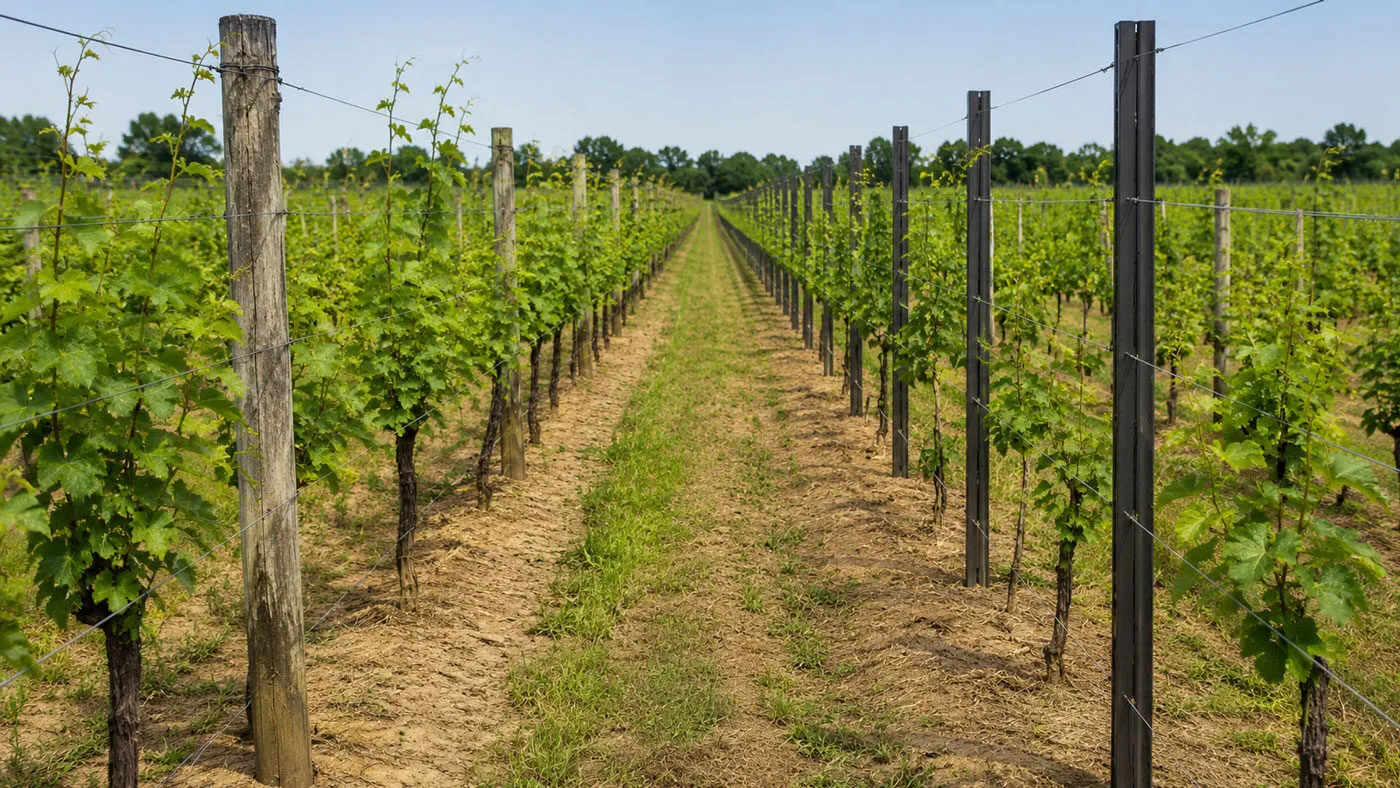
Initial material costs tell only part of the infrastructure investment story. Long-term analysis reveals steel’s superior economic value. Galvanized steel posts cost more initially but last 30 to 40 years. Wooden posts require replacement every 10 to 15 years. Over a 40-year vineyard lifetime, wood posts need replacement 2 to 3 times. Each replacement cycle incurs material costs plus significant labor expenses. Removing old posts, installing new ones, and re-tensioning wires disrupts vineyard operations. Harvest timing and vine damage concerns complicate replacement scheduling. Steel posts eliminate these recurring costs entirely. Maintenance requirements differ dramatically between materials.
Wood posts require regular inspection for rot, insect damage, and structural integrity. Failed posts must be identified and replaced promptly. Steel posts need no such monitoring beyond initial installation verification. Wire tension remains consistent without post degradation. This stability improves canopy management and reduces labor. Environmental factors amplify cost differences in challenging conditions. Humid climates, coastal regions, and areas with aggressive soils accelerate wood deterioration.
Steel performance remains unaffected by these conditions. When calculated on an annualized basis, steel posts reduce trellis costs by 60 to 70 percent. This calculation includes material, installation, and replacement expenses. For commercial operations, this cost reduction directly impacts profitability. The capital allocated to trellis replacement can fund other vineyard improvements.
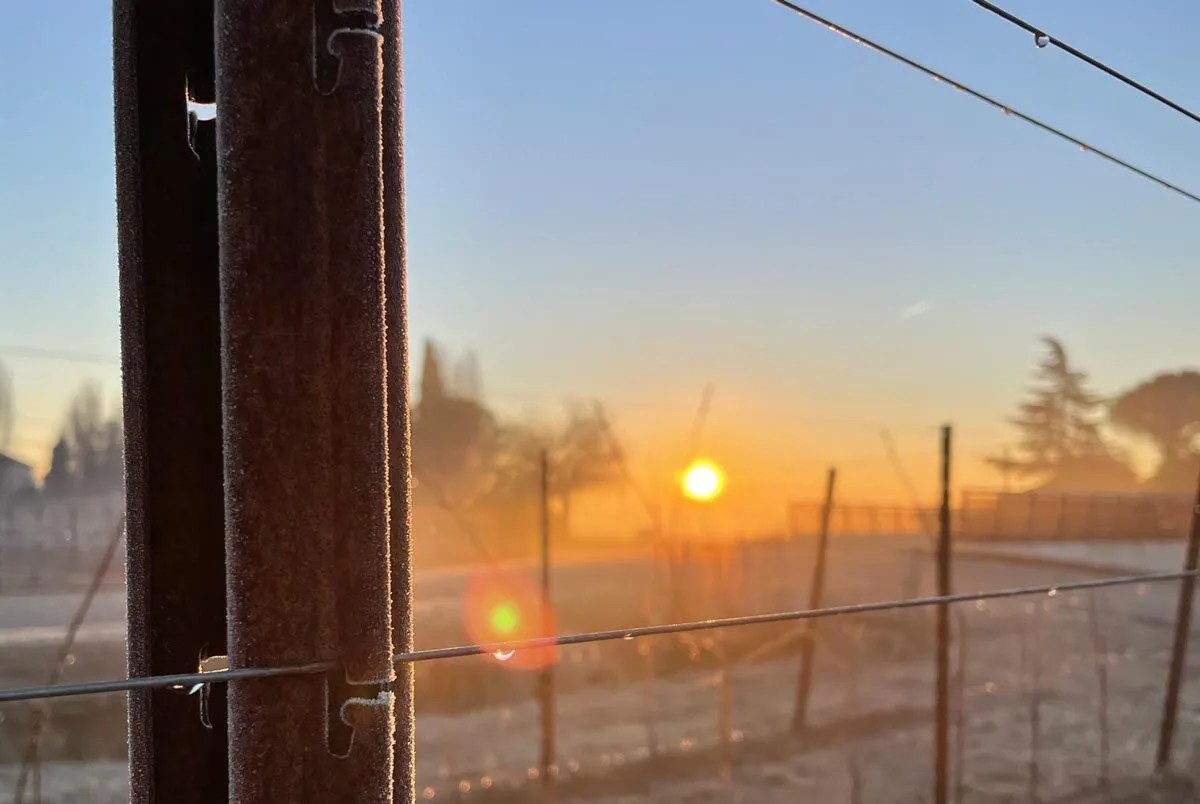
A professional grape trellis system requires integrated components beyond posts and anchors. Quality accessories ensure optimal performance and operational efficiency:
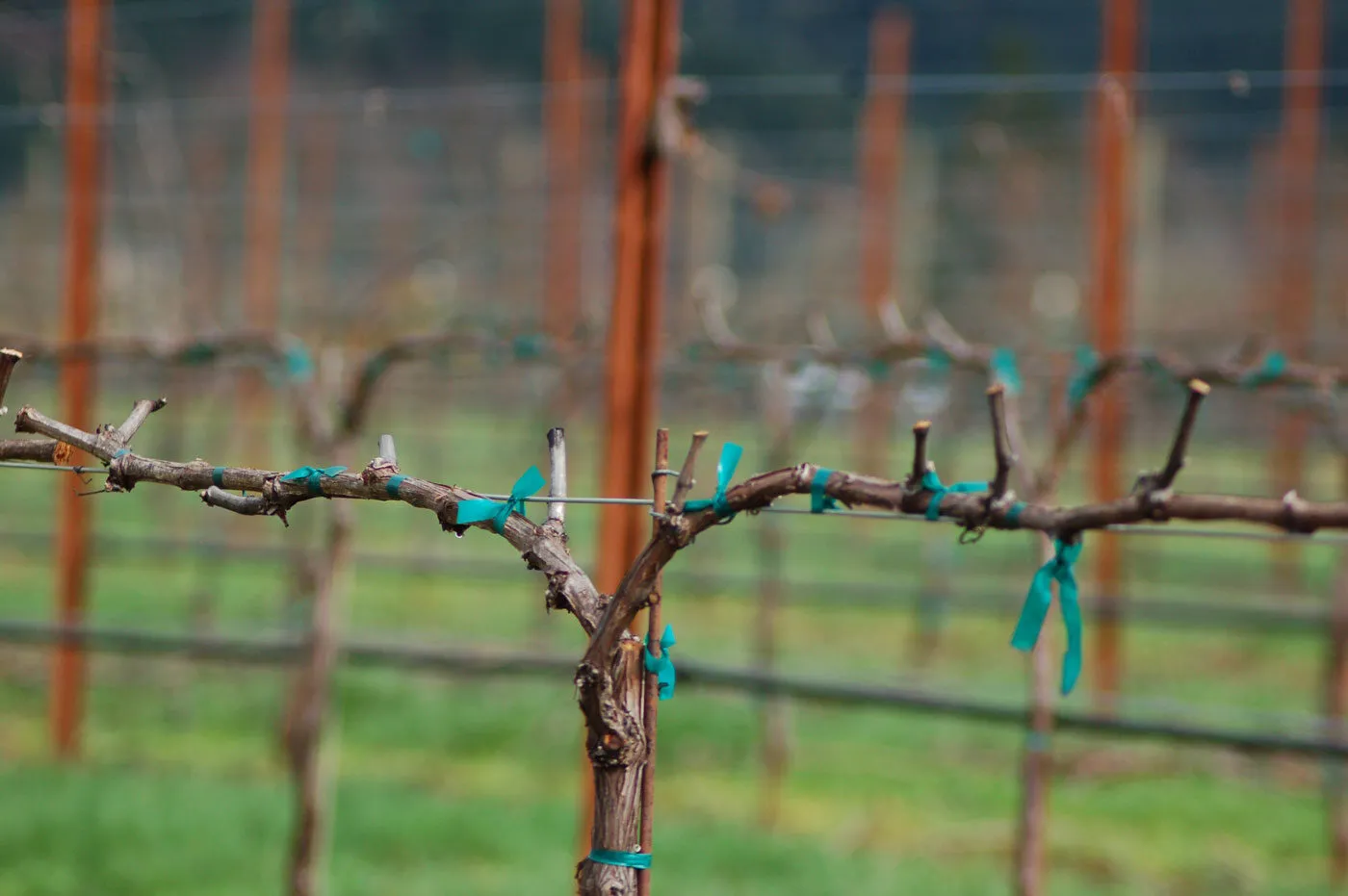
Proper installation maximizes the performance potential of quality materials. Poor installation compromises even premium components. Line posts require burial depth of 60 to 70 cm for adequate soil engagement. This depth resists lateral forces and prevents progressive tilting. Rocky or compacted soils may require pre-drilling with augers. Pneumatic post drivers work efficiently in standard soil conditions. End posts need deeper burial of 70 to 90 cm due to concentrated tension loads. Positioning at 45 to 60-degree angles relative to ground level optimizes resistance. Digital levels or angle gauges ensure accurate positioning. Backfill soil around posts must be compacted thoroughly. Loose soil allows movement that creates structural problems.
Wire installation sequence affects long-term performance. Install the fruiting wire first, positioning it on the windward side of posts. This prevents wire slippage under prevailing wind loads. Achieve proper initial tension using appropriate tensioning devices. Excessive tension over-stresses posts and wires. Insufficient tension allows problematic sag. Install catch wires sequentially from bottom to top. Maintain specified 40-centimeter spacing for vertical shoot positioning systems. Use a level or measuring template to ensure consistent height. Verify overall system plumbness and alignment before declaring installation complete. Minor adjustments made during installation prevent major problems later. Ground anchor installation requires careful attention to distance and angle. Position anchors 3 to 4 meters from end posts for optimal force distribution. Incorrect anchor placement negates the structural benefits of quality posts.

Establishing vineyard infrastructure requires partnering with manufacturers specializing in viticulture components. SIKA has manufactured premium vineyard posts for over 23 years. The company produces and delivers more than 400,000 posts annually. These posts serve vineyards across 40+ countries worldwide. SIKA posts are manufactured through advanced cold-rolling processes using premium Italian steel. Innovative combined punching systems accommodate all major training system configurations.
The rounded profile design enhances resistance to bending and twisting forces. Section openings ensure excellent ventilation at the soil contact point. This prevents condensation buildup that accelerates corrosion. Posts are available in multiple dimensions. The Medium model (51×41 mm) suits standard Guyot and cordon applications. The Big model (65×45 mm) serves high-exposure sites and vigorous training systems. Sheet metal thickness ranges from 1.8 to 2.0 mm across all models. Hot-dip galvanization applied after manufacturing provides superior corrosion protection. This process extends service life beyond 40 years in typical vineyard environments. Corten steel alternatives offer exceptional weathering resistance with natural aesthetic appeal.
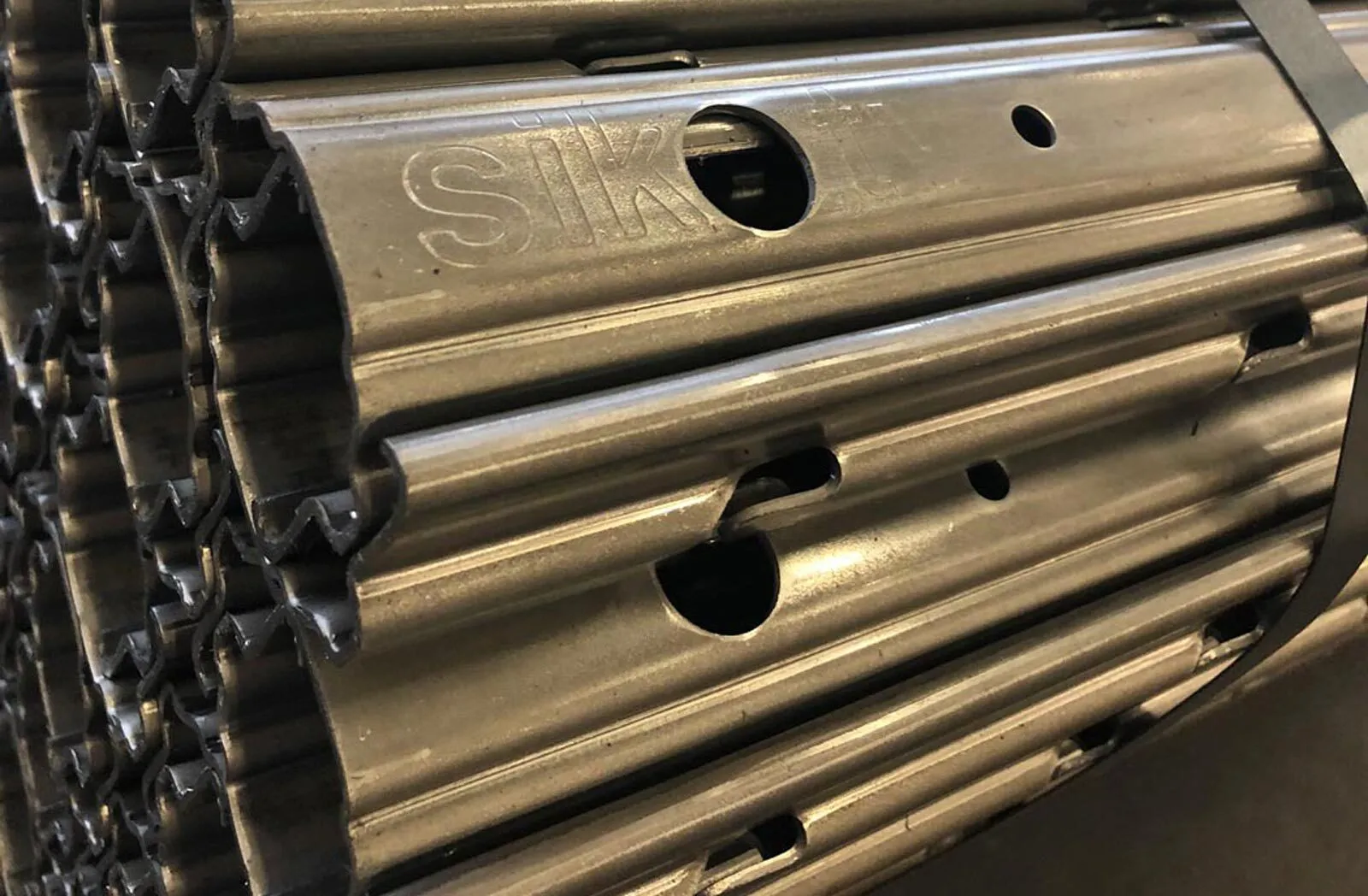
SIKA holds ISO 9001, 14001, and 45001 certifications. These guarantee consistent quality and material traceability. Every post meets exacting dimensional tolerances essential for professional installations. Beyond manufacturing posts, SIKA offers comprehensive trellis solutions.
High-tensile galvanized wire is available in appropriate gauges for all applications. Stainless steel wire tensioners and spring tensioners maintain optimal tension. Heavy-duty end posts in the Strong model (68×56 mm) resist substantial terminal forces. Vineyard stakes are available in 7 mm and 8 mm diameters for young vine training support.
The range also includes ground anchors and anchor plates for end post stabilization. Wire hooks and clips accommodate both fixed and moveable wire configurations. Dedicated pre and post-sales support assists vineyard managers. Personalized consultancy services determine optimal specifications. Site conditions, grape varieties, and production objectives all factor into recommendations. SIKA’s technical team provides detailed installation guidance. Component selection recommendations account for soil type and climate.
Ongoing support continues throughout vineyard establishment and beyond. For wineries committed to quality viticulture, SIKA delivers precision components and technical expertise. Transform vineyard concepts into productive reality with materials engineered for decades of reliable performance.
Contact us for more information.

Fill out the form to receive the catalog and get a free, no-obligation quote within 24 hours.



Stay in touch with SIKA to keep up with news, offers and valuable advice from our experts!
We use Mailchimp as our marketing platform. By signing up, you agree that your information will be transferred to Mailchimp for processing. Learn more about Mailchimp’s privacy policy.