


Read also

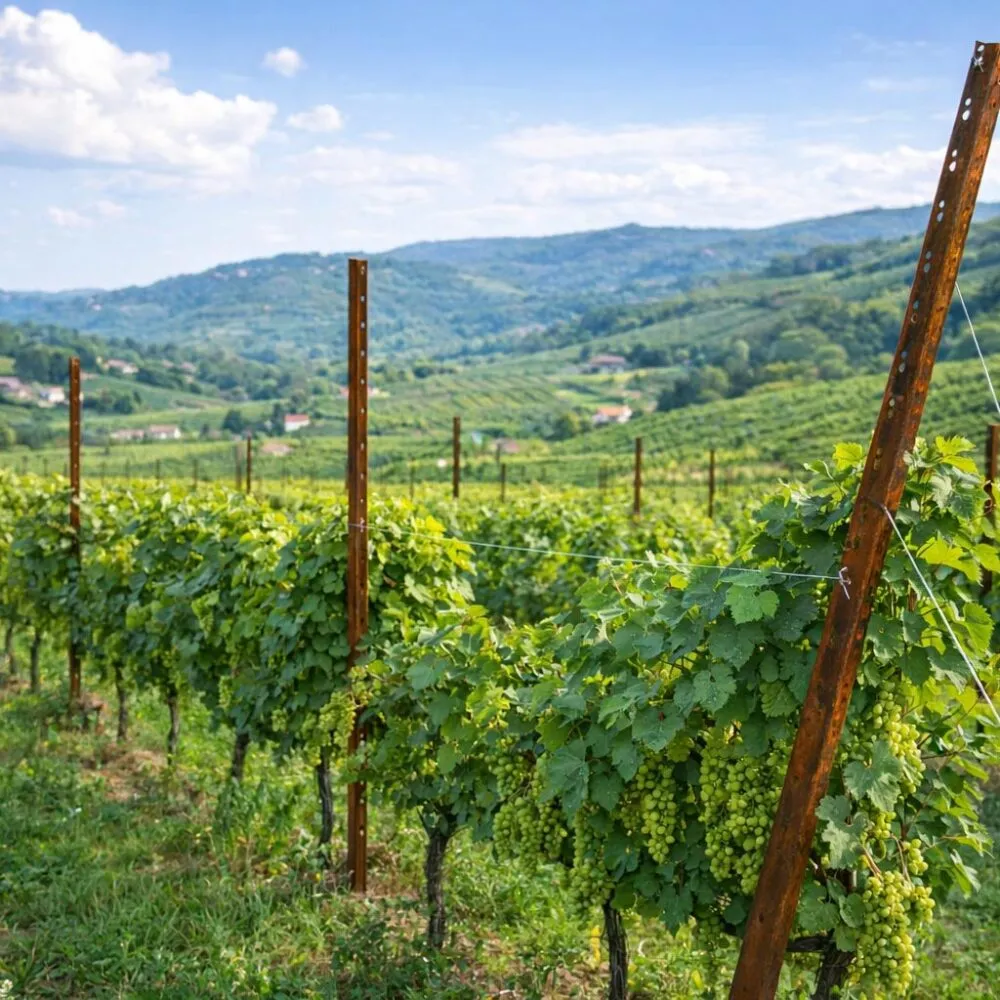

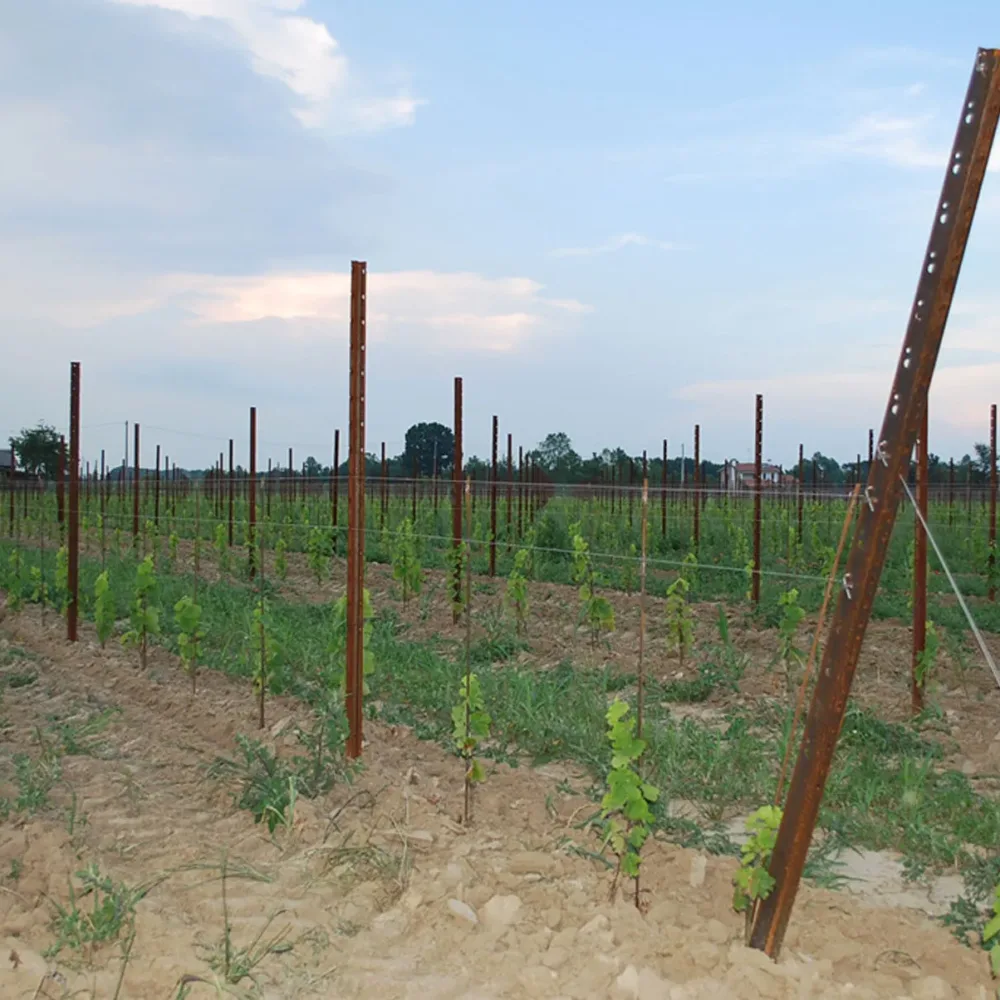
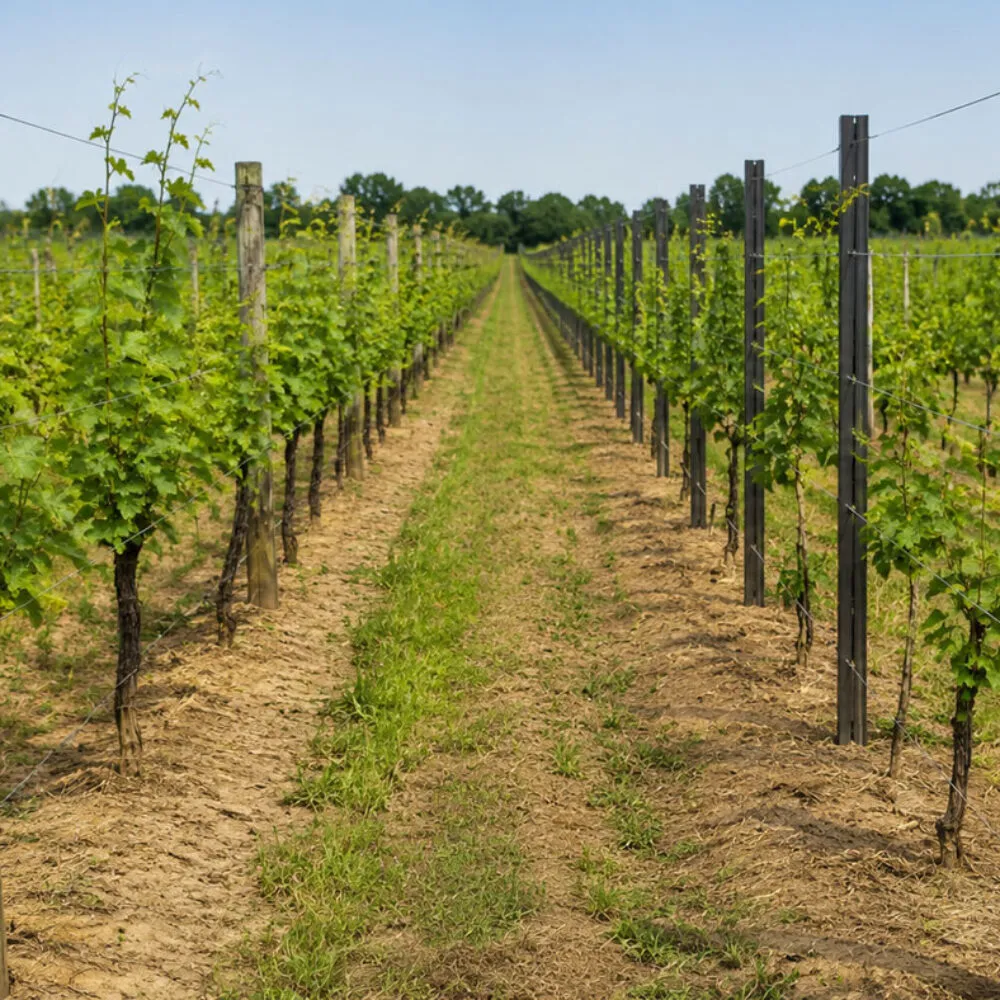
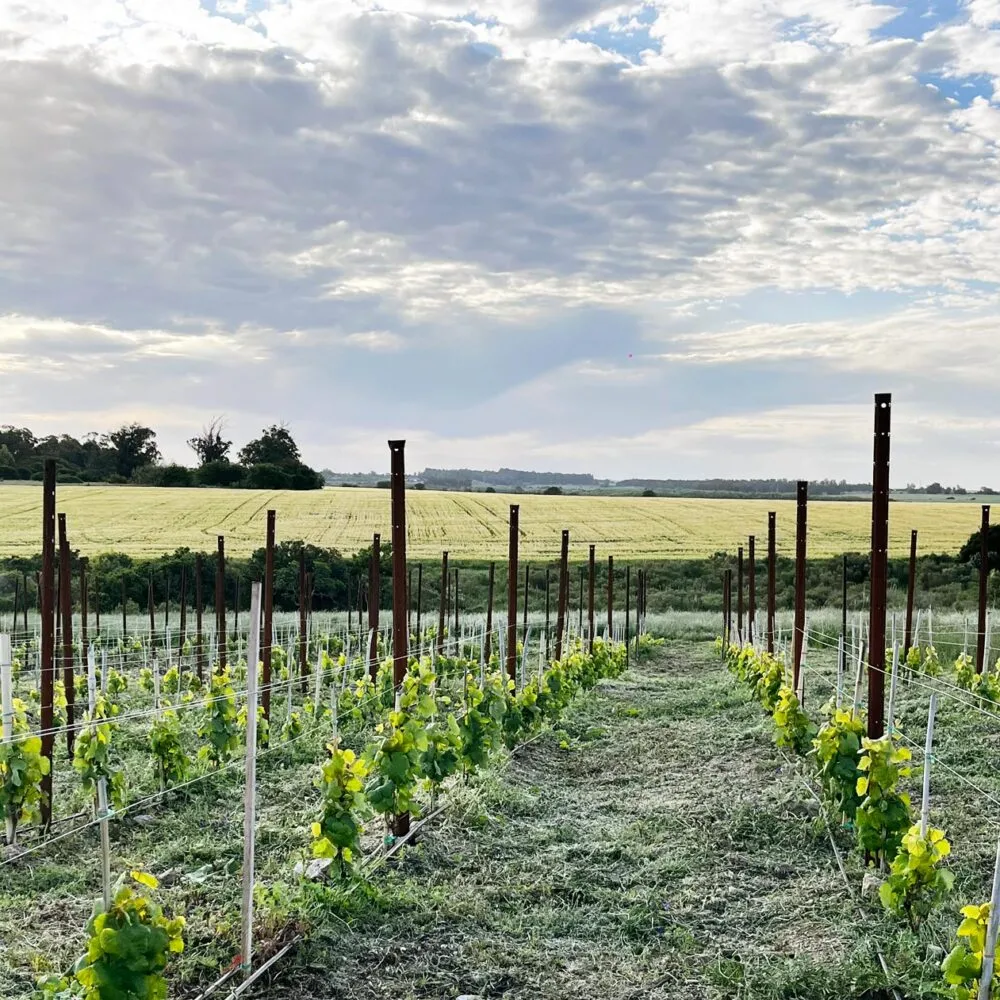


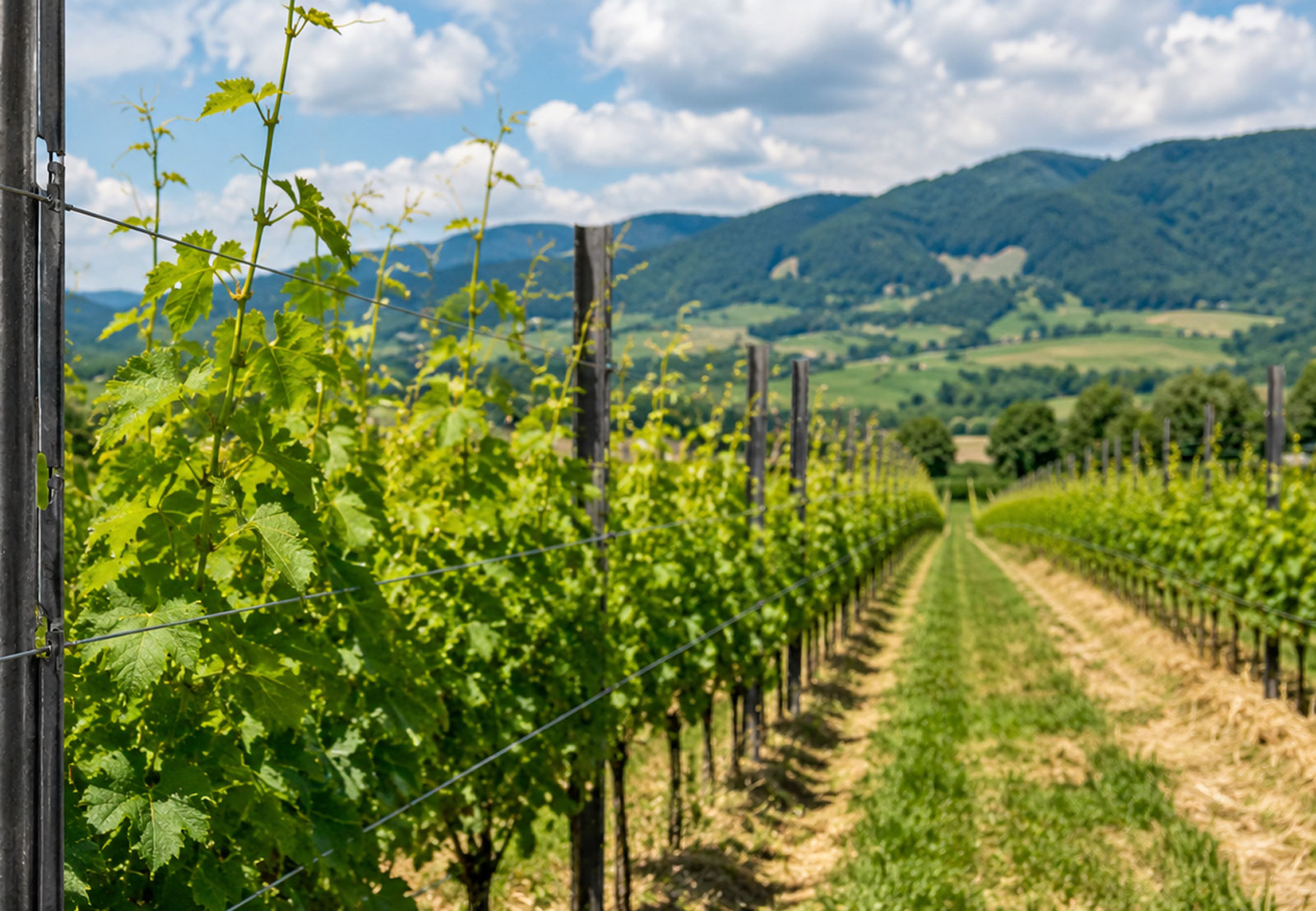
Guyot vine training represents one of the most widely adopted and time-tested approaches in quality-focused viticulture, utilized by over 35% of European wine producers for its exceptional balance of grape quality, canopy management efficiency, and vineyard productivity. This vertical shoot positioning system establishes a structured framework that optimizes sun exposure, promotes excellent air circulation, and facilitates precise yield control, critical factors for premium wine production.
Setting up wire trellises for Guyot system requires careful attention to structural specifications, wire positioning, material selection, and installation techniques that directly impact long-term vineyard performance. Whether establishing a new vineyard on hillside terrain or renovating existing infrastructure for quality improvement, understanding the complete requirements of Guyot trellis systems ensures your investment delivers reliable performance throughout decades of wine production.
The Guyot system operates as a mixed pruning method combining a renewal spur with one or more horizontal fruiting canes that are completely replaced each winter, creating an annual regeneration cycle that offers remarkable flexibility in crop load management and vine health maintenance. In this vertical shoot positioning approach, vines develop a relatively short trunk typically measuring 1.0 to 1.2 meters in height, from which horizontal fruiting canes extend along the lower trellis wire each season. These canes, bearing 8 to 12 buds depending on vine vigor and production goals, produce the current year’s shoots that grow vertically upward through catch wires positioned at strategic intervals above the fruiting wire.
The simple Guyot variation features a single fruiting cane with one renewal spur, making it ideal for moderate-vigor sites and quality-focused production where precise bud count control maintains optimal balance between vegetative growth and fruit load.
Double Guyot configurations retain two fruiting canes positioned on opposite sides of the trunk, effectively increasing yield potential while maintaining the quality advantages inherent in cane pruning systems.
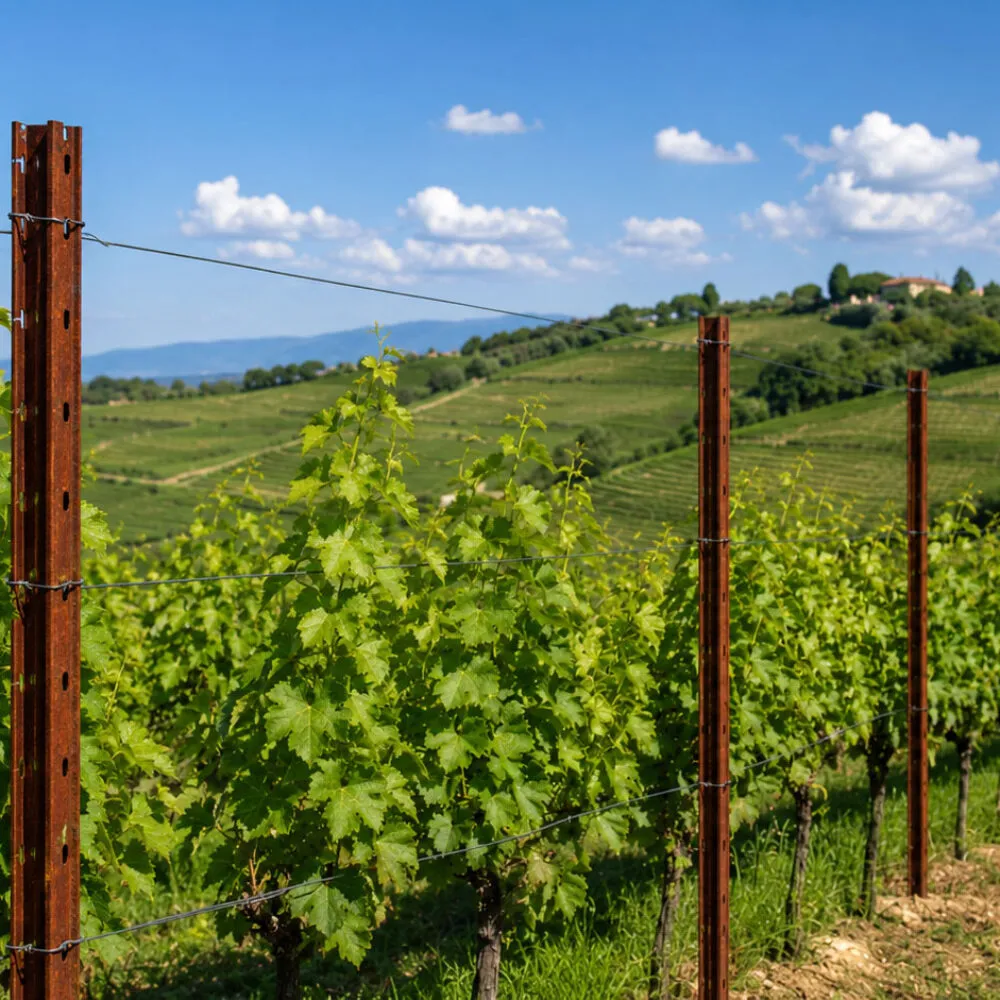
Inverted Guyot variations train fruiting canes downward rather than horizontally, further enhancing light distribution throughout the canopy and promoting more uniform grape ripening. The trellis infrastructure supporting Guyot vine training requires galvanized steel or corten steel posts measuring 2.0 to 2.3 meters above ground, positioned every 5 meters along rows to ensure optimal stability and wire tension management throughout the growing season and harvest period.

Selecting appropriate wire gauge represents a critical decision in Guyot trellis construction, as wire specifications directly impact structural integrity, longevity, and the system’s ability to maintain proper tension under varying environmental conditions and crop loads.
The primary fruiting wire is positioned at 1.0 to 1.2 meters above ground. This wire bears the weight of horizontal fruiting canes and supports the foundation of the entire canopy structure. High-tensile galvanized wire in 12 to 12.5 gauge (2.5 to 2.7 mm diameter) provides the optimal combination of strength and flexibility for this critical application. This heavier gauge wire resists stretching under the substantial load of mature fruiting canes, grape clusters, and vegetative growth while maintaining consistent height throughout temperature fluctuations that cause wire expansion and contraction across seasonal cycles.
The catch wires positioned above the fruiting wire at approximately 40-centimeter intervals serve a different function, guiding vertical shoot growth rather than bearing significant weight, and can utilize slightly lighter 14 to 16 gauge (1.6 to 2.0 mm diameter) high-tensile galvanized wire without compromising performance.
Some viticulturists prefer using moveable catch wires on the upper positions, allowing for progressive shoot tucking as the canopy develops throughout the growing season; for these applications, 16 to 18 gauge (1.2 to 1.6 mm diameter) wire provides sufficient strength while remaining flexible enough for seasonal repositioning.
In regions experiencing extreme temperature variations exceeding 40°C between winter lows and summer highs, upgrading to heavier gauge wire or implementing stainless steel alternatives prevents tension-related failures during thermal cycling.
High-tensile wire specifications are particularly important in Guyot systems because the annual cane replacement cycle subjects wires to repeated mechanical stress during pruning, cane positioning, and shoot management operations.
Galvanized coating thickness also factors into wire selection; Class 3 galvanization (minimum 275 g/m² zinc coating) ensures corrosion resistance throughout the vineyard’s productive lifetime, preventing premature wire replacement that disrupts established training structures. Wire breaking strength should exceed 1,540 pounds for primary fruiting wires to provide adequate safety margins against failure during severe weather events or heavy crop years that increase mechanical loads beyond typical design parameters.

The total investment required to install a complete Guyot trellis system varies considerably based on material quality, site conditions, labor costs, and regional market factors, but typically ranges from $8,000 to $15,000 per acre for professional installations using premium components designed for 30 to 40 years of service life.
Material costs constitute approximately 60 to 70 percent of total installation expenses, with galvanized steel or corten steel posts representing the largest single component at $3,500 to $6,000 per acre depending on post specifications, dimensions, and coating quality. For a standard one-acre vineyard with row spacing of 2.5 to 3 meters (approximately 14 to 17 rows per acre) and line post spacing of 5 meters, material requirements include approximately 250 to 350 line posts, 28 to 34 end posts, and potentially 15 to 25 reinforcement posts for rows exceeding 80 meters in length.
High-tensile galvanized trellis wire adds $1,200 to $2,000 per acre, with calculations based on four wire levels (one fruiting wire plus three catch wires) spanning the entire vineyard length including proper tensioning allowances.
Essential accessories including wire tensioners, spring tensioners, stainless steel vineyard ties, end post anchors, wire hooks for moveable catch wires, and installation hardware contribute an additional $1,500 to $2,500 per acre to material costs. Labor expenses for professional installation range from $2,500 to $5,000 per acre depending on terrain difficulty, soil conditions requiring augering versus direct post driving, and regional wage rates for skilled vineyard construction crews. Sites with rocky soils, steep slopes, or challenging access conditions can increase labor costs by 30 to 50 percent compared to flat, easily accessible locations with workable soil.
The initial investment in premium materials yields substantial long-term economic benefits through extended service life, reduced maintenance requirements, and improved operational efficiency.
Galvanized steel posts from ISO-certified manufacturers maintain structural integrity for 30 to 40 years versus 10 to 15 years for treated wooden alternatives, effectively reducing annualized trellis costs by 60 to 70 percent when calculated across the vineyard’s productive lifetime.
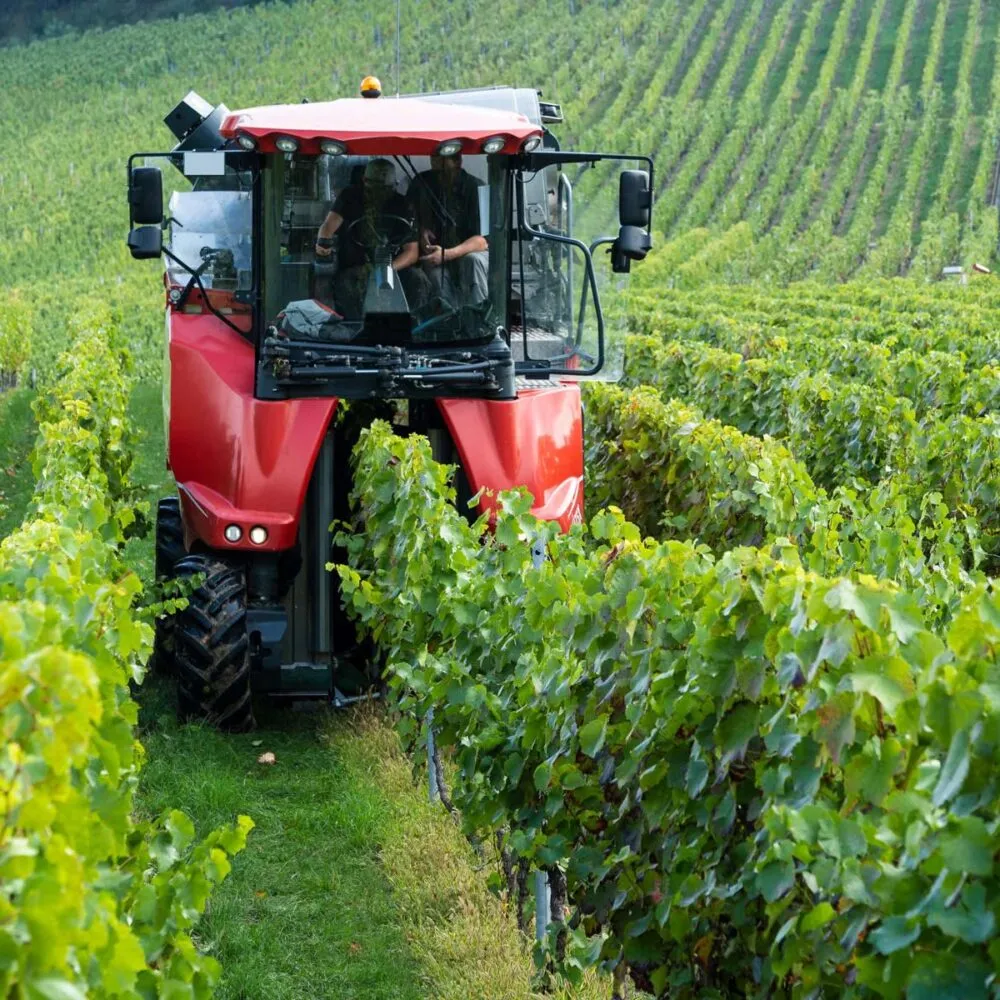
Quality Guyot trellis systems also facilitate more efficient vineyard operations through improved canopy management accessibility, simplified pruning and harvest logistics, and enhanced mechanization compatibility where applicable. When evaluating installation costs, vineyard managers should consider not only initial capital requirements but also the impact of trellis quality on grape production value. Properly designed Guyot systems supporting optimal canopy management can improve fruit quality sufficiently to command premium pricing that recovers trellis investment within three to five production years for quality-focused wine programs.

Building a professional Guyot system requires a comprehensive set of precision-engineered components that work synergistically to deliver structural stability, operational efficiency, and long-term reliability:

Precise wire height and spacing directly determine the effectiveness of Guyot vine training in achieving balanced canopy architecture, uniform fruit zone microclimate, and efficient vineyard management operations. The first wire serves as the fruiting wire where horizontal canes are positioned each winter. It should be installed at 1.0 to 1.2 meters above ground level. This height balances several competing considerations.
It provides adequate fruit zone elevation to minimize soil splash and disease pressure. It ensures a comfortable working height for manual pruning and cane positioning operations. It also supports appropriate trunk development that promotes long-term vine health. In regions with heavy rainfall or high disease pressure, positioning the fruiting wire at 1.1 to 1.2 meters provides additional clearance between grape clusters and ground-level moisture sources.
The first catch wire is positioned 40 centimeters above the fruiting wire (1.4 to 1.6 meters above ground), providing initial support for emerging shoots when they reach approximately 30 to 40 centimeters in length during early canopy development. The second catch wire sits another 40 centimeters higher (1.8 to 2.0 meters above ground), guiding shoots as they continue upward growth through mid-season canopy expansion. A third catch wire at 2.2 to 2.4 meters above ground is optional but recommended for vigorous sites or varieties prone to excessive shoot length, preventing shoots from growing beyond the trellis framework and creating management challenges.
This standardized 40-centimeter spacing between catch wires has proven optimal through decades of European viticulture experience. It provides frequent enough support points to maintain vertical shoot orientation. At the same time, it allows sufficient space between wires for efficient shoot tucking, leaf removal, and canopy management operations.
Wire attachment to posts should utilize the combined punching systems featured in premium steel posts. The fruiting wire is secured through fixed notches or clips that prevent lateral movement. Catch wires can be attached through moveable hooks that allow for progressive wire lifting as the canopy develops.
Maintaining consistent wire height throughout the vineyard row is critical. Variations exceeding 5 centimeters create irregular canopy architecture. This compromises fruit zone uniformity and complicates mechanical operations where applicable.

Successful Guyot trellis installation follows a systematic sequence that ensures structural integrity, dimensional accuracy, and optimal long-term performance. Begin by establishing row layout using surveying equipment or GPS technology to ensure parallel rows aligned with access lanes, end-row turnaround spaces, and prevailing wind direction that influences wire orientation for maximum structural stability.
Mark end post positions first, then establish line post locations at precisely measured 5-meter intervals using laser distance meters or calibrated measuring tapes, physically marking each position with spray paint or temporary stakes before beginning post installation.
Install end posts first, driving or augering them to the specified burial depth of 70 to 90 cm and positioning them at the correct angle (45 to 60 degrees) relative to the ground plane; use a digital level or angle gauge to verify positioning accuracy before backfilling and compacting soil around each end post.
Next, install line posts at marked positions using pneumatic post drivers for steel posts in standard soil conditions, or pre-drill with augers in rocky or heavily compacted soils to prevent post damage and ensure consistent burial depth of 60 to 70 cm throughout the row. String a guide wire between end posts at the planned fruiting wire height (1.0 to 1.2 meters) to verify line post alignment and spacing accuracy before proceeding with wire installation; this verification step allows for minor position adjustments before permanent wire attachment makes corrections difficult.
Install ground anchors for end posts, positioning them at appropriate distances (typically 3 to 4 meters from the end post) and angles to effectively counter wire tension forces transmitted through the angled end post structure. Begin wire installation with the fruiting wire, attaching it to the windward side of posts to prevent wire slippage under prevailing wind loads, using appropriate tensioning devices at one row terminal to achieve proper initial tension without over-stressing the wire or posts.
Install catch wires sequentially from bottom to top, maintaining specified 40-centimeter spacing and using a level or measuring template to ensure consistent height along the entire row length. After completing wire installation, verify overall system plumbness, alignment, and tension before declaring the trellis ready for vine training operations.

Several recurring installation errors can significantly compromise Guyot trellis performance and longevity.
Insufficient post burial depth represents the most common structural failure point. Line posts buried less than 60 centimeters lack adequate soil engagement to resist lateral forces, leading to progressive post tilting that creates wire sag and canopy management challenges within just a few growing seasons.
Inconsistent wire tension across the row length creates irregular canopy architecture and complicates shoot management. Proper tension should allow minimal vertical deflection (less than 5 centimeters) when moderate downward pressure is applied at mid-span between posts, with consistent tension maintained from row start to finish through appropriate tensioning device adjustment.
Installing wires on the leeward side of posts (the side opposite prevailing winds) creates conditions for wire slippage as wind loads push against wire-to-post attachment points rather than pressing wires firmly against post surfaces.
Using inadequate wire gauge for the fruiting wire (particularly 14 or 16 gauge wire when 12 to 12.5 gauge is specified) results in excessive stretching under load and premature sagging that requires costly re-tensioning or wire replacement within five to ten years.
Failing to angle end posts correctly (installing them vertically rather than at the specified 45 to 60 degree angle) dramatically reduces their ability to resist wire tension, often resulting in end post failure that can destroy entire row terminals and require expensive reconstruction.
Improper anchor placement too close to end posts (less than 3 meters) or at incorrect angles fails to effectively counter tension forces, negating the structural benefits of the angled end post design.
Establishing Guyot vine training infrastructure requires careful planning for decades of reliable performance. Partnering with a manufacturer specializing in precision-engineered vineyard components is essential. This ensures your investment achieves its full potential for quality wine production and operational efficiency.
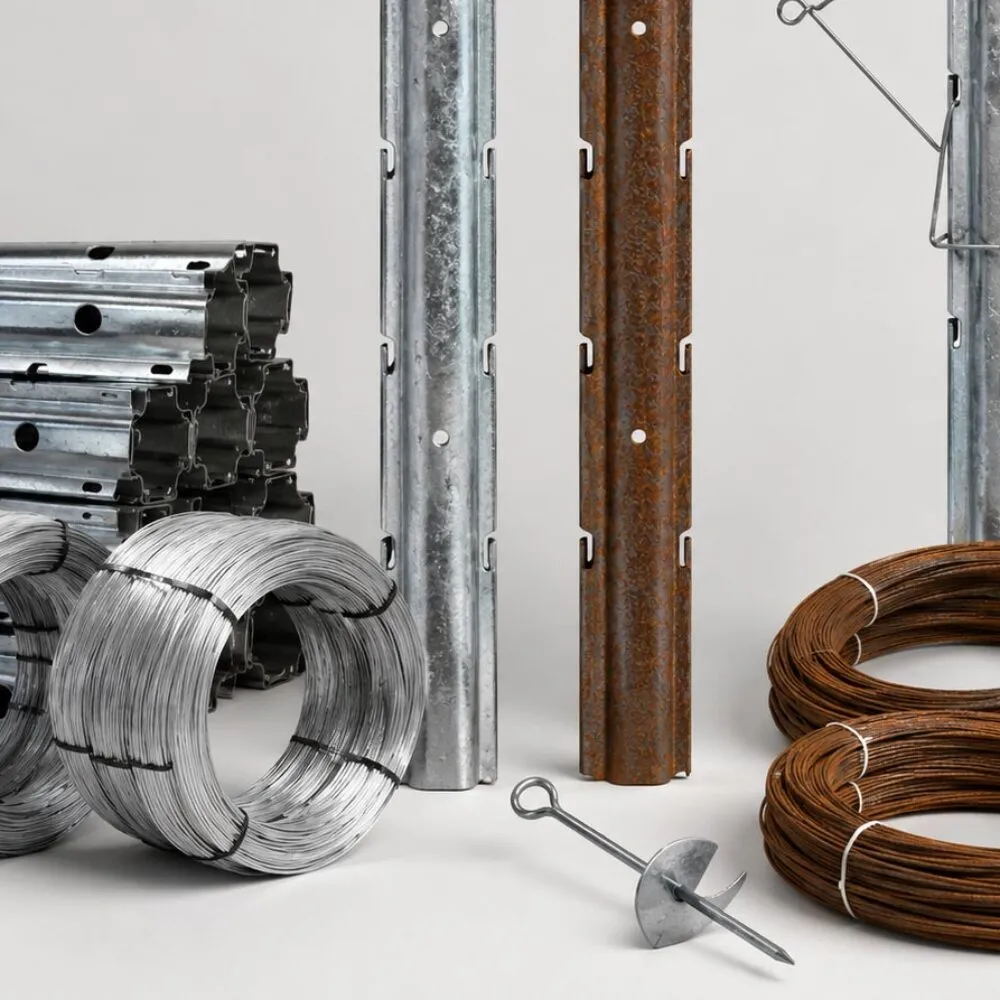
SIKA has specialized in manufacturing premium galvanized steel and corten steel vineyard posts for over 23 years, producing and delivering more than 400,000 posts annually to vineyards across 40+ countries including the United States, New Zealand, Australia, South Africa, Uruguay, Canada, Argentina, France, Germany, Spain, and the United Kingdom. SIKA posts are manufactured through advanced cold-rolling processes using premium Italian steel, featuring innovative combined punching systems specifically designed to accommodate the four-wire configuration required for Guyot vine training while enhancing resistance to the bending and twisting forces that develop under wire tension and wind loads.
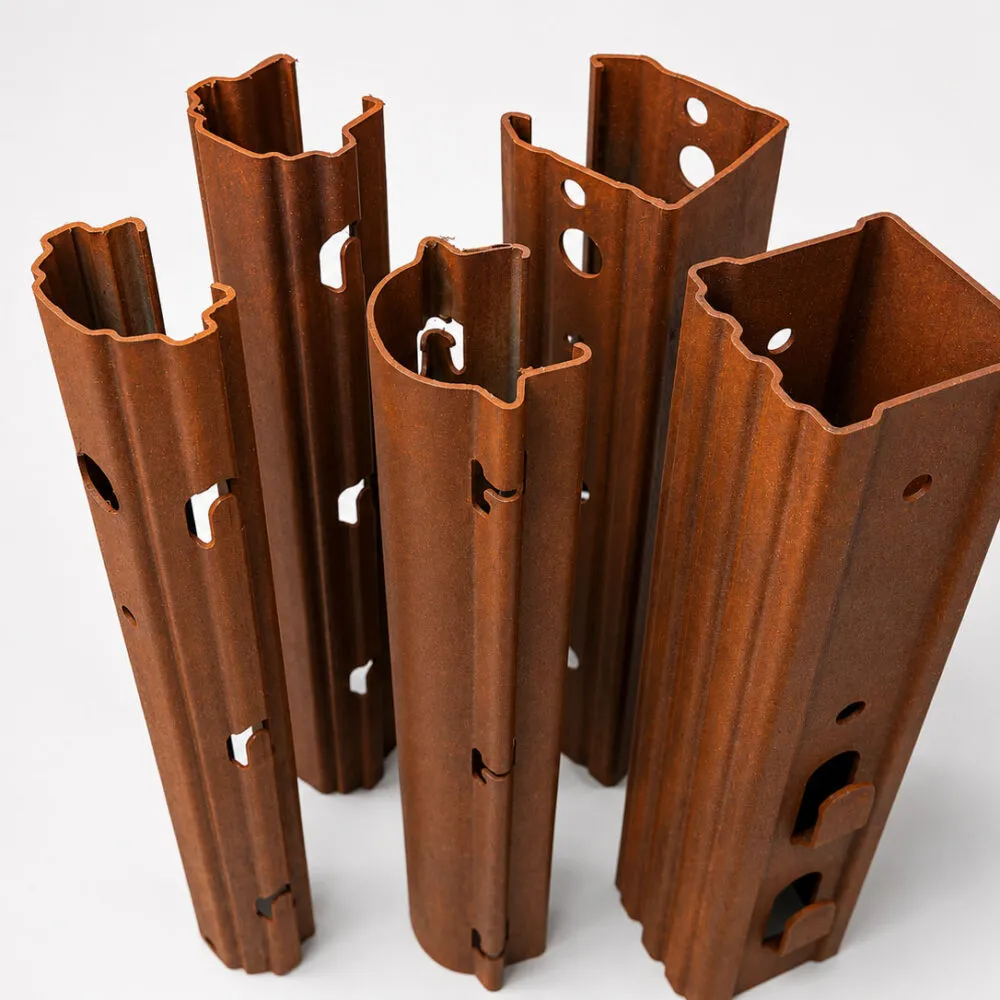
Sika posts are available in multiple dimensions to suit different applications. The Medium model (51×41 mm) is ideal for standard Guyot installations. The Big model (65×45 mm) is designed for high-exposure sites or extended post spacing. Both models feature sheet metal thickness ranging from 1.8 to 2.0 mm. These posts maintain structural integrity throughout decades of service. They support optimal wire positioning accuracy essential for precision canopy management.
The rounded profile design with strategic section openings ensures excellent ventilation at the soil contact point, preventing condensation buildup that accelerates corrosion and could compromise post integrity over time. Hot-dip galvanization applied after post manufacturing provides superior corrosion protection compared to pre-galvanized materials, extending service life beyond 40 years in typical vineyard environments and effectively eliminating the need for post replacement throughout the productive lifetime of most commercial vineyards.

As an ISO 9001, 14001, and 45001 certified company, SIKA guarantees that every post and accessory component meets exacting dimensional tolerances and material specifications essential for achieving the precise wire positioning and structural stability required in professional Guyot vine training installations. Beyond manufacturing premium posts, SIKA offers comprehensive turnkey trellis solutions for complete vineyard installations.
The product range includes high-tensile galvanized trellis wire in appropriate gauges for both fruiting and catch wire applications. Stainless steel wire tensioners and spring tensioners maintain optimal wire tension throughout seasonal temperature variations. Heavy-duty end posts in the Strong model (68×56 mm) are designed specifically to resist the substantial forces concentrated at row terminals. Vineyard stakes are available in 7 mm and 8 mm diameters for young vine training support.
The range also includes stainless steel vineyard ties for secure cane attachment, ground anchors and anchor plates for end post stabilization, and wire hooks and clips for both fixed and moveable wire configurations.
With dedicated pre and post-sales support and personalized consultancy services, SIKA assists vineyard managers in determining optimal Guyot trellis specifications tailored to specific site conditions, grape varieties, production objectives, and budget parameters, ensuring your infrastructure investment delivers maximum return through improved grape quality, operational efficiency, and long-term reliability.
SIKA’s technical team provides detailed installation guidance, component selection recommendations based on soil type and climate conditions, and ongoing support throughout the vineyard establishment process and beyond. For wineries and vineyard operators committed to quality-focused viticulture through proper Guyot vine training implementation, SIKA represents a trusted partner delivering the precision components, technical expertise, and comprehensive solutions that transform vineyard concepts into productive reality.

Fill out the form to receive the catalog and get a free, no-obligation quote within 24 hours.



Stay in touch with SIKA to keep up with news, offers and valuable advice from our experts!
We use Mailchimp as our marketing platform. By signing up, you agree that your information will be transferred to Mailchimp for processing. Learn more about Mailchimp’s privacy policy.