


Read also

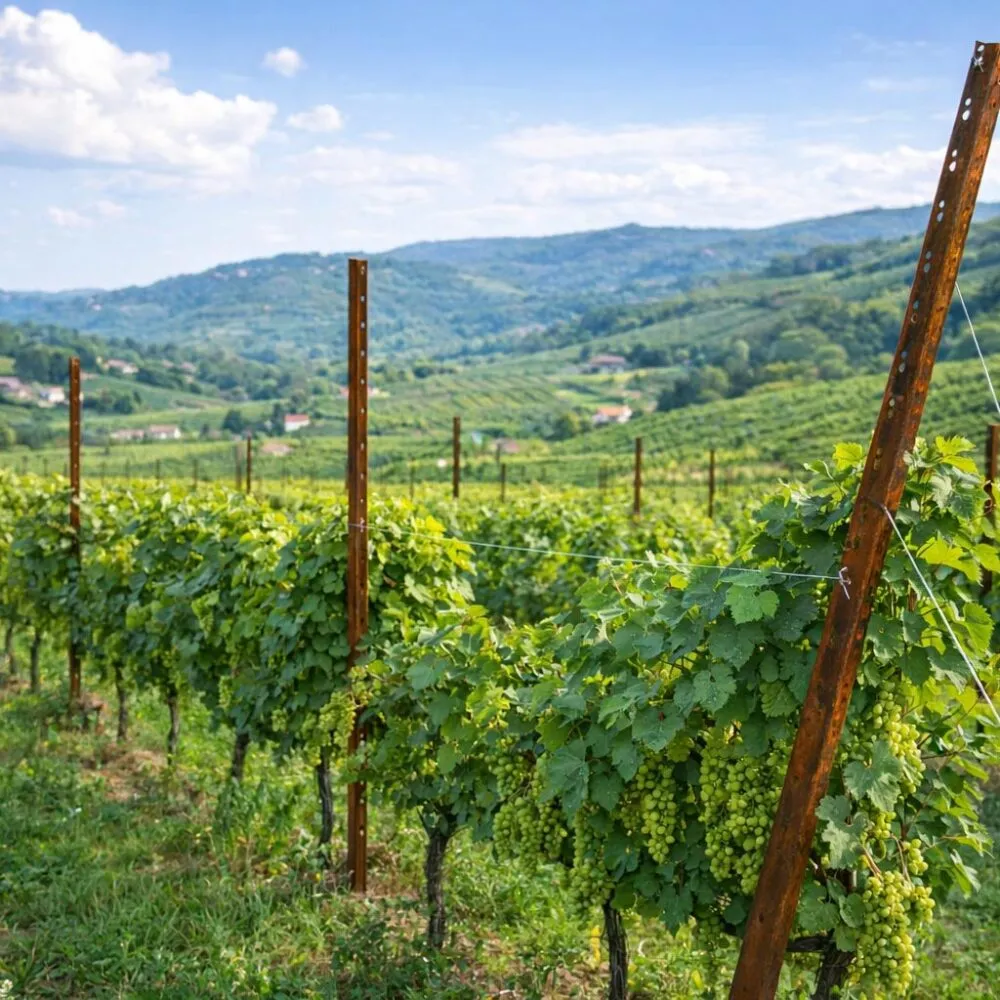

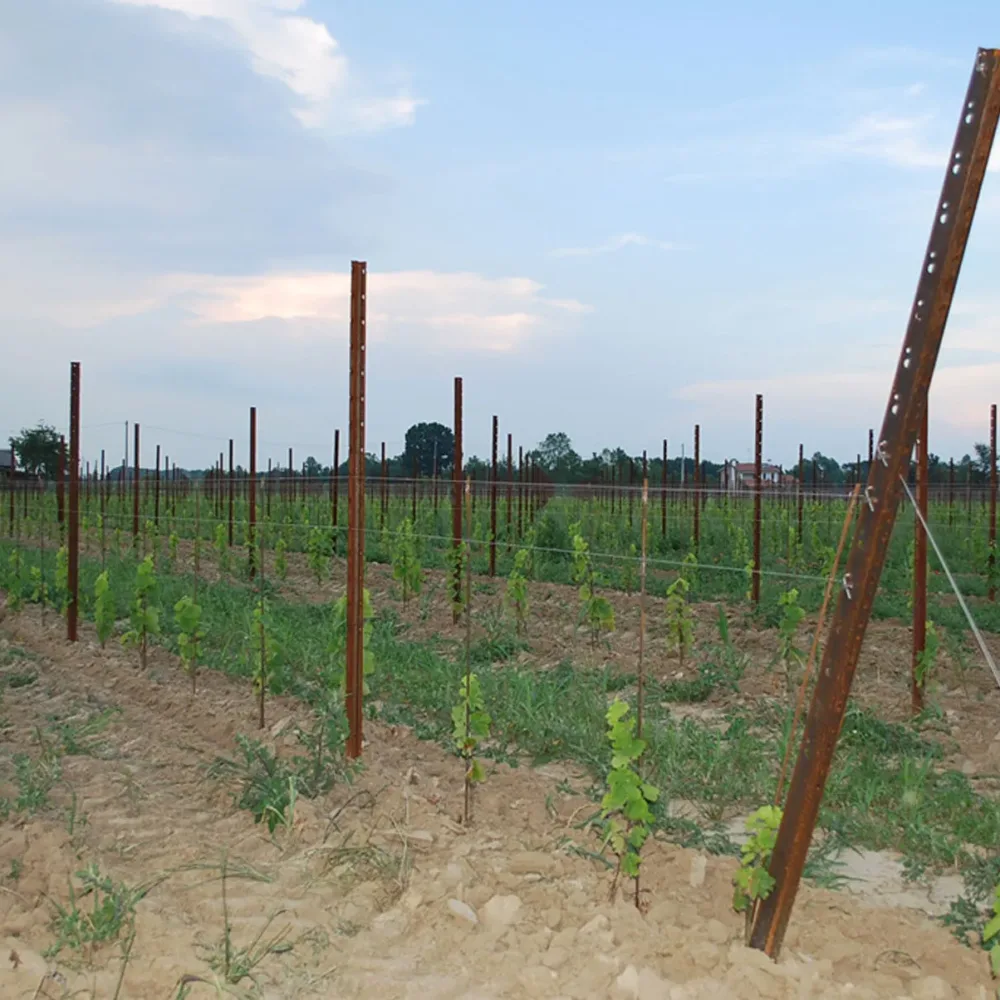
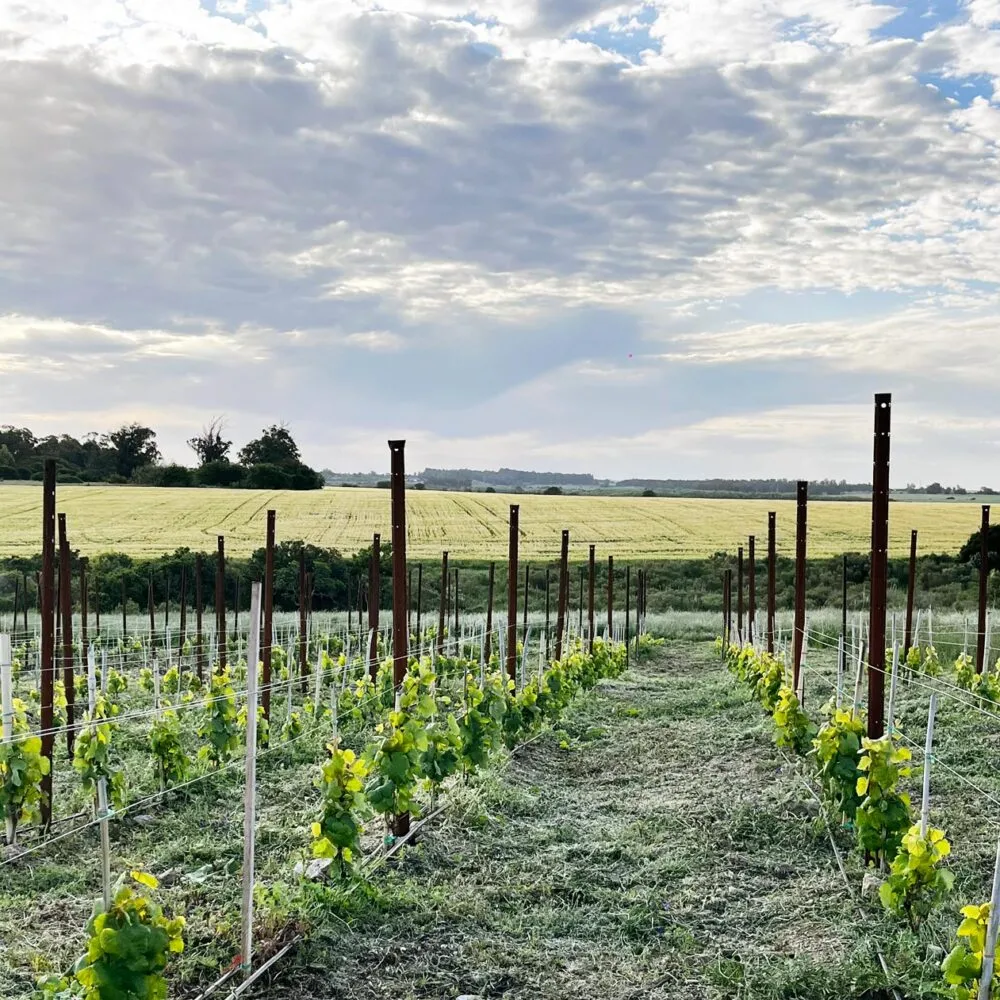


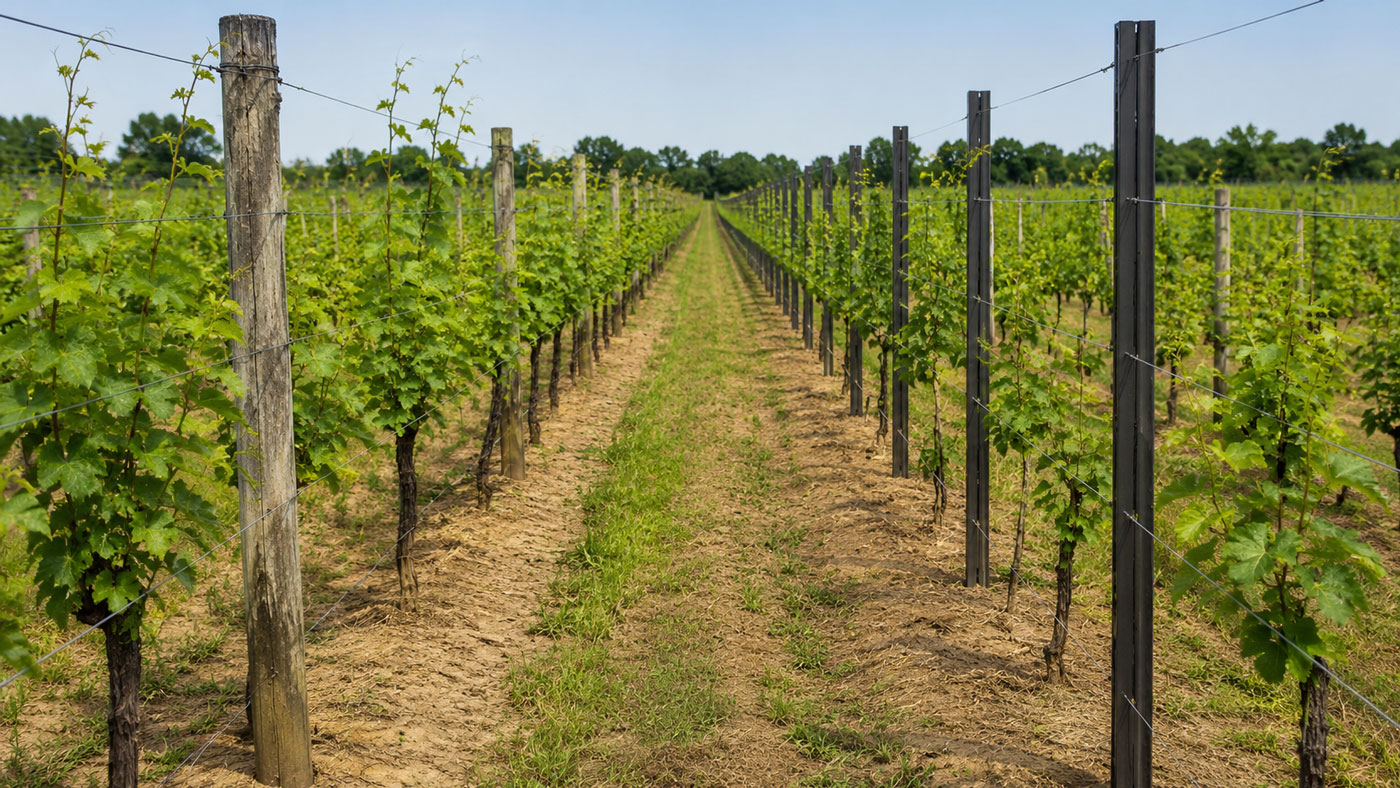
Environmental responsibility increasingly influences vineyard infrastructure decisions. The choice of vineyard poles affects sustainability throughout your operation’s lifetime. Different materials carry distinct environmental footprints from production to disposal. Modern viticulture demands solutions that balance performance with ecological considerations. Understanding the environmental impact of wood, galvanized steel, and corten vineyard poles helps vineyard owners make informed decisions.
Wooden vineyard poles represent the traditional choice with complex environmental implications. Wood appears natural and renewable on the surface. However, the complete picture reveals significant sustainability concerns.
Treated wooden poles require chemical preservation to resist rot and insects. These treatments often contain copper, arsenic, or other compounds. Chemicals leach into soil over time, potentially affecting vine health and soil biology. Disposal of treated wood poses additional environmental challenges at end of life.
Wooden pole lifespan typically spans 15 to 20 years maximum. Replacement cycles multiply environmental impact over vineyard lifetime. A 50-year vineyard may require three complete wooden pole installations. Each replacement consumes additional resources and generates waste.
Metal vineyard poles offer compelling environmental advantages over wood. Steel production requires energy but creates exceptionally durable products. Quality galvanized or corten poles serve 40 to 50 years or longer.
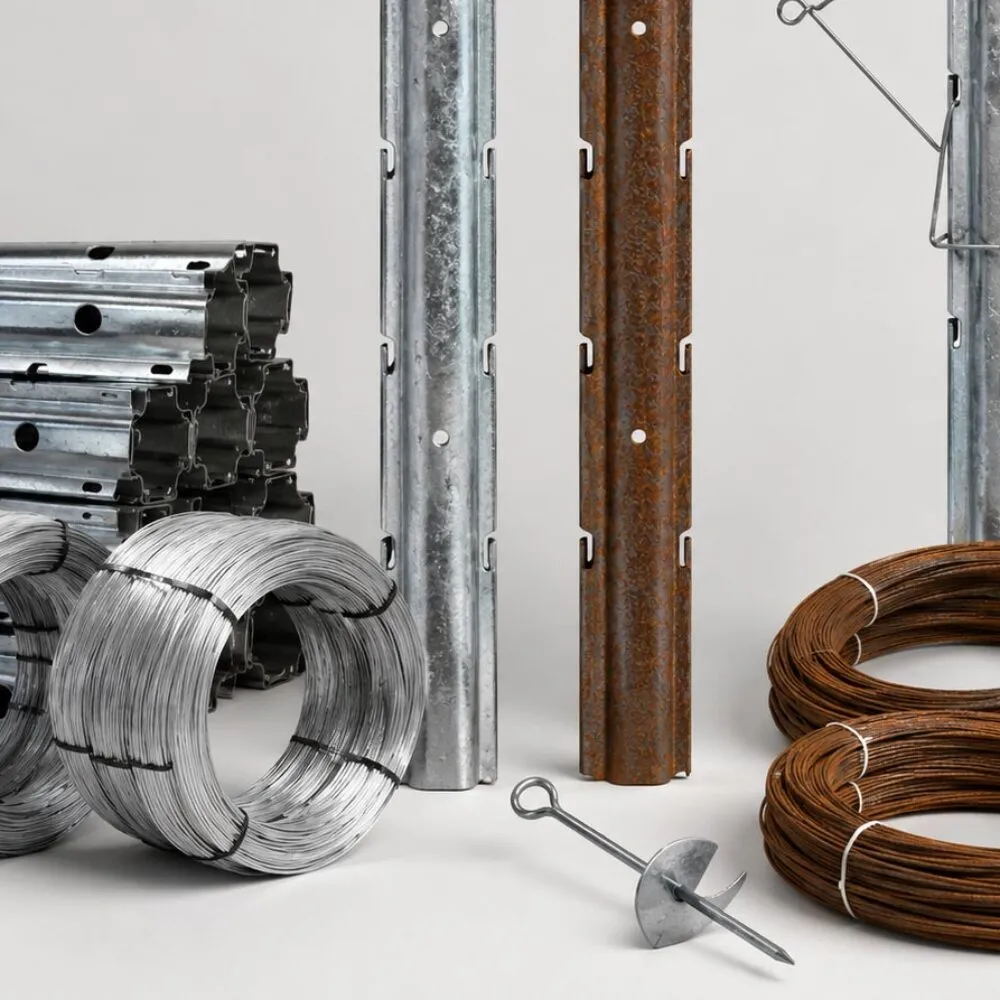
Galvanized steel vineyard poles resist corrosion through hot-dip zinc coating. This protection eliminates chemical treatments that leach into soil. The inert coating poses no risk to vine roots or soil microorganisms. Vineyard ecosystems remain undisturbed by pole material interaction.
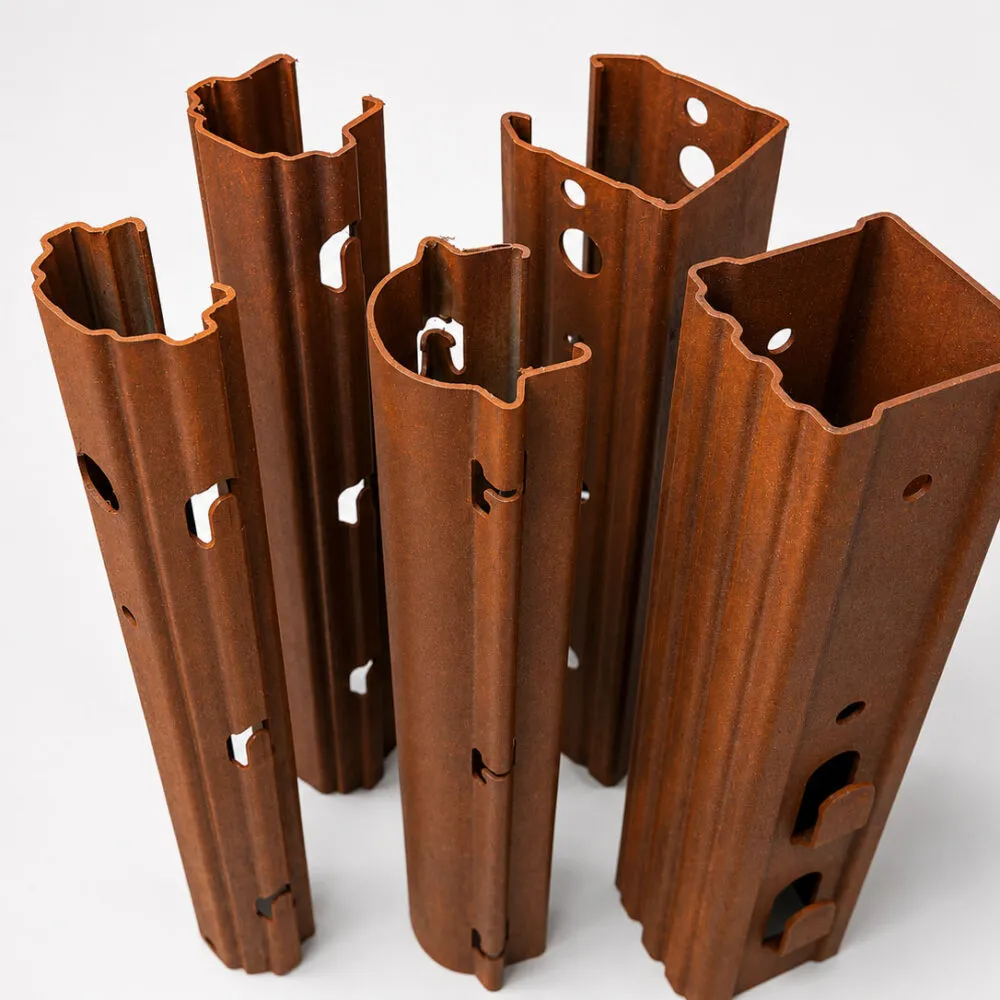
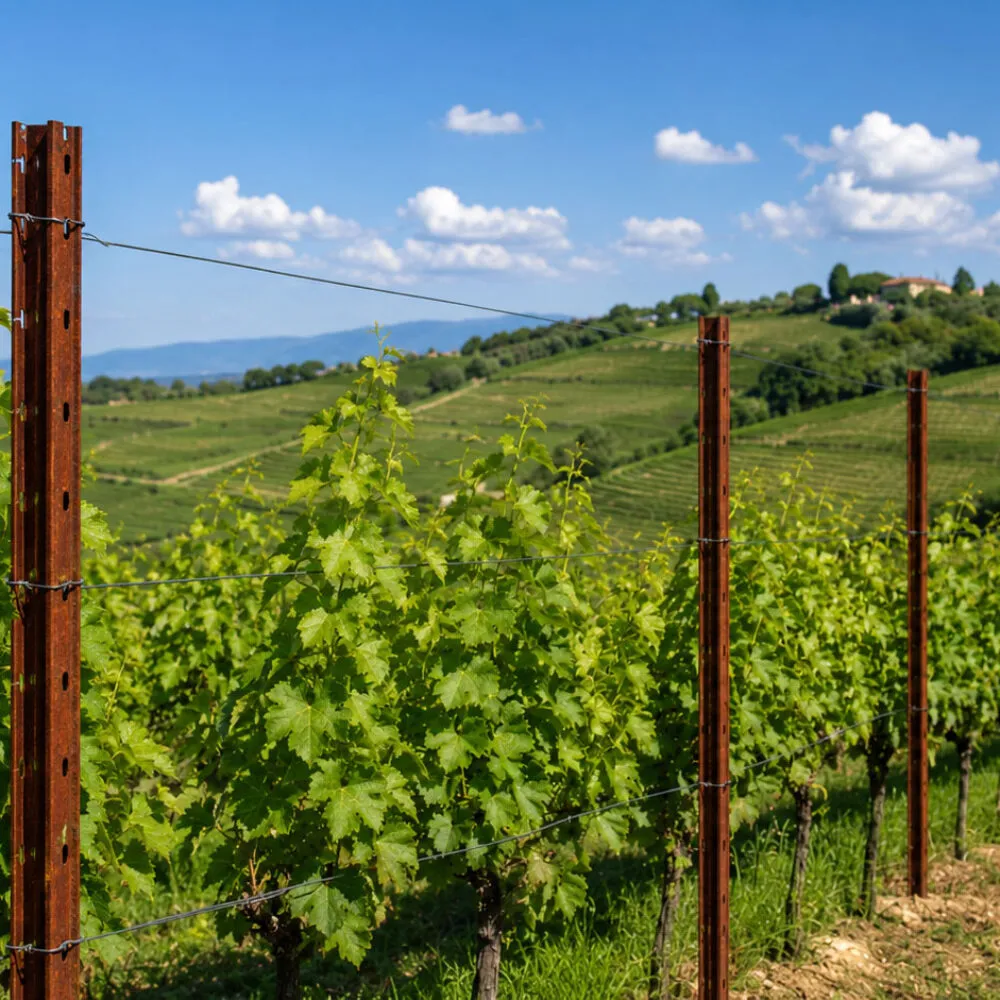
Corten steel develops a natural protective patina without any applied coatings. This self-protecting characteristic eliminates surface treatments entirely. The weathering process creates beauty while providing corrosion resistance. Many eco-conscious vineyards appreciate corten’s chemical-free durability.
Steel recyclability represents a major environmental advantage. At end of service life, metal poles recycle completely into new steel products. This closed-loop potential minimizes landfill contribution. Wooden poles, especially treated varieties, often lack viable recycling options.
Initial carbon footprint comparisons favor wood over steel production. However, lifecycle analysis changes this calculation significantly.
Steel’s longer service life spreads production impact across more years. One steel pole replacing three wooden poles reduces cumulative environmental burden. Transportation impacts also favor durable materials requiring fewer replacement shipments.
Sika’s manufacturing incorporates environmental management systems. ISO 14001 certification demonstrates commitment to reducing production impacts. Efficient processes minimize waste and energy consumption per pole produced.
Large-scale vineyard operations magnify the importance of sustainable material choices. Thousands of vineyard poles across extensive plantings create substantial environmental footprints. Wholesale purchasing decisions carry significant ecological responsibility.
Volume requirements make material durability even more critical. Replacing 10,000 wooden poles every 15-20 years represents enormous resource consumption. Steel alternatives serving 40+ years dramatically reduce long-term material throughput.
Sika supplies wholesale vineyard poles to commercial operations across 40+ countries. Annual production exceeds 400,000 poles shipped worldwide. This scale enables efficient manufacturing that minimizes per-unit environmental impact.
Wholesale vineyard pole orders benefit from optimized logistics. Consolidated shipments reduce transportation emissions per pole delivered. Sika’s established distribution network minimizes unnecessary freight movements.
Steel poles pack more efficiently than wooden alternatives. Higher density allows more poles per shipping container. This efficiency reduces transport-related carbon emissions for large orders.
Regional availability affects transportation footprint significantly. Sika’s Made in Italy production serves European markets efficiently. International shipping to distant markets still benefits from steel’s durability advantage.
Professional vineyard pole suppliers demonstrate environmental responsibility through certifications. These credentials verify sustainable manufacturing practices.
Sika maintains ISO 14001 environmental management certification. This standard requires systematic approaches to reducing environmental impact. Continuous improvement processes address energy use, waste reduction, and emissions control.
ISO 9001 quality certification ensures material efficiency. Consistent manufacturing quality eliminates waste from defective products. Every pole meeting specifications represents optimized resource utilization.
ISO 45001 occupational health certification reflects broader responsibility. Worker safety and environmental stewardship often align in manufacturing operations. Companies prioritizing one typically excel at both.
Selecting sustainable vineyard poles requires evaluating multiple factors across material lifecycles. Consider these key criteria for environmentally conscious purchasing:
Environmental responsibility aligns with quality in Sika’s vineyard pole manufacturing. Over 23 years of production experience drive continuous sustainability improvements.
Galvanized steel poles feature hot-dip coating for maximum corrosion resistance. This proven technology delivers decades of service without chemical maintenance. The zinc coating protects steel while remaining environmentally inert in soil contact.
Corten steel vineyard poles offer a chemical-free alternative for eco-focused vineyards. The natural weathering patina develops without any applied treatments. Many organic and biodynamic operations specify corten for this reason.
Superior durability represents Sika’s primary environmental contribution. Poles that last longer consume fewer resources over time. Steel thickness of 1.8 to 2.0mm ensures structural integrity for decades.
Innovative designs extend service life further. Section openings promote drainage at soil level, preventing moisture accumulation. Combined punching systems eliminate field modifications that could compromise longevity.
Complete product ranges reduce waste from mismatched components. Line posts, end posts, and accessories integrate seamlessly. System compatibility ensures every component performs optimally throughout its service life.
Contact Sika’s team for sustainable vineyard poles that deliver performance and environmental responsibility for your operation.

Fill out the form to receive the catalog and get a free, no-obligation quote within 24 hours.



Stay in touch with SIKA to keep up with news, offers and valuable advice from our experts!
We use Mailchimp as our marketing platform. By signing up, you agree that your information will be transferred to Mailchimp for processing. Learn more about Mailchimp’s privacy policy.